Coloring tips: How to color Best Friend Duckling coloring page well?
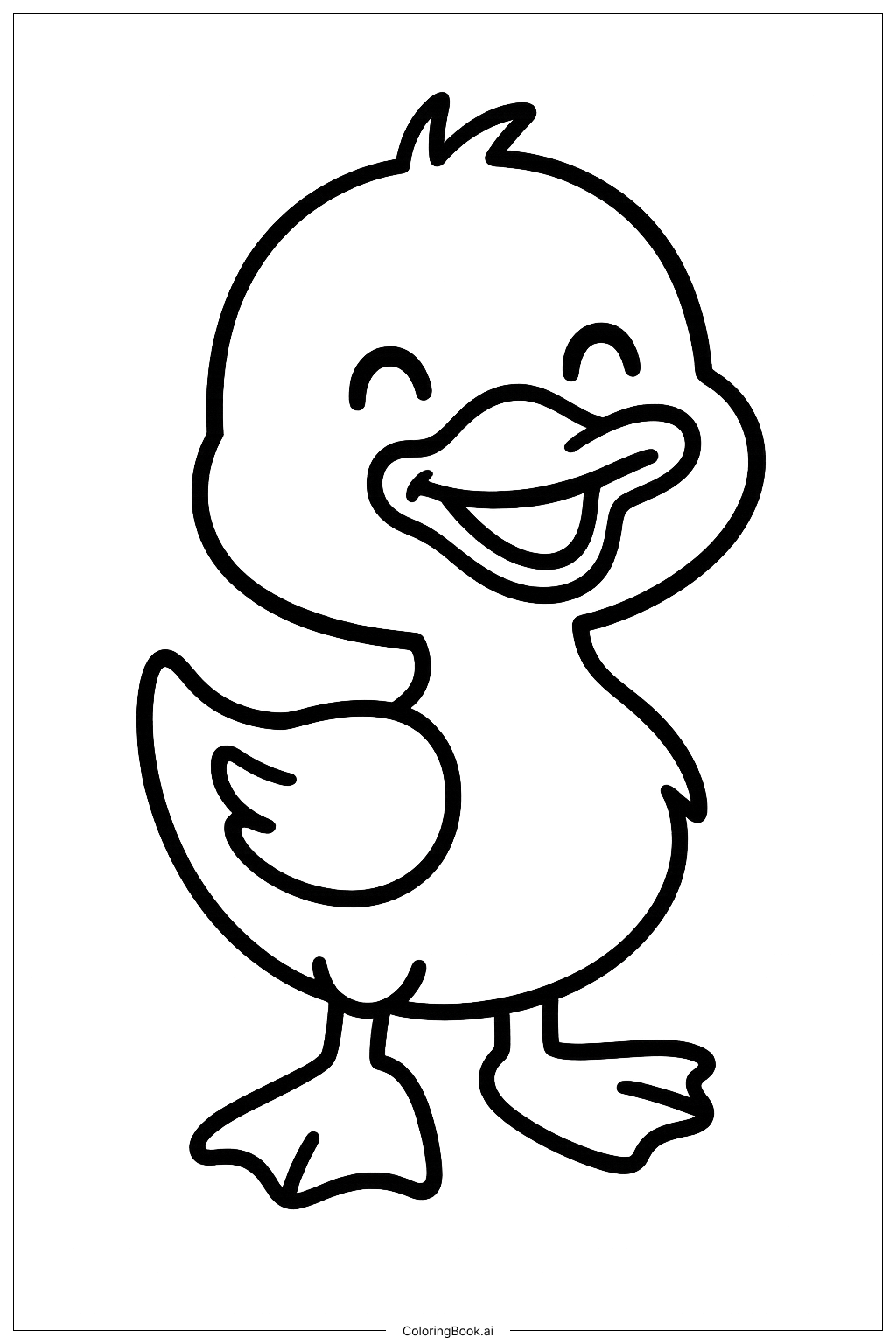
Start with the ducklings' bodies using sunny yellow or soft orange to create a classic duck appearance. Consider making one duckling slightly lighter than the other to show individuality. Color their bills and webbed feet in bright orange or golden yellow. The eyes can be colored with dark brown or black pupils, leaving white highlights to make them sparkle with life. For the floating hearts, try pink, red, or purple shades to show love and friendship. You might add a light blue background to suggest water or sky, or use green to hint at grass beneath their feet. To add dimension, use darker shades of yellow or orange along the edges of the ducklings' bodies. This creates shadows and makes them look more three-dimensional and realistic.
Coloring challenges: Which parts are difficult to color and need attention for Best Friend Duckling coloring page?
• Size Differences: The two ducklings have different sizes, which requires careful attention when choosing coloring techniques. The smaller duckling on the right has more compact features that need precision with coloring tools, especially around the eyes and bill area. Young colorists may find it challenging to stay within the smaller lines without overlapping colors.
• Feather Texture Details: The ducklings have curved lines suggesting soft feather texture throughout their bodies. Coloring these areas smoothly while respecting the texture lines requires patience and control. Children may struggle to decide whether to color over these lines or work around them to maintain the feathery appearance.
• Heart Shapes Placement: The floating hearts around the ducklings are small decorative elements that need separate attention. Keeping these hearts distinct from the ducklings while maintaining color harmony across the entire image can be tricky. Young artists must carefully switch between coloring the main subjects and these smaller background elements.
• Facial Expression Details: Both ducklings have expressive faces with eyes, pupils, and smiling bills that require different colors in small spaces. Coloring the eyes with proper highlights while keeping bills uniform demands steady hand control and color planning, especially for younger children still developing fine motor skills.
Benefits of coloring books: Advantages of drawing Best Friend Duckling coloring page
Coloring this Best Friend Duckling page helps children explore the important theme of friendship while developing essential skills. The two ducklings encourage discussions about relationships, kindness, and companionship, making it more than just a coloring activity. The varying sizes of details support fine motor skill development, as children practice controlling crayons or markers in both larger body areas and smaller facial features. The simple, friendly design builds confidence in young artists, allowing them to experience success and pride in their finished work. The heart elements introduce symbolic thinking, helping children connect visual symbols with emotions. This coloring page also provides opportunities for creative decision-making as children choose whether to make the ducklings look identical or give each friend unique colors, promoting individuality and personal expression within the friendship theme.