Coloring tips: How to color Beauty And The Beast Belle Portrait coloring page well?
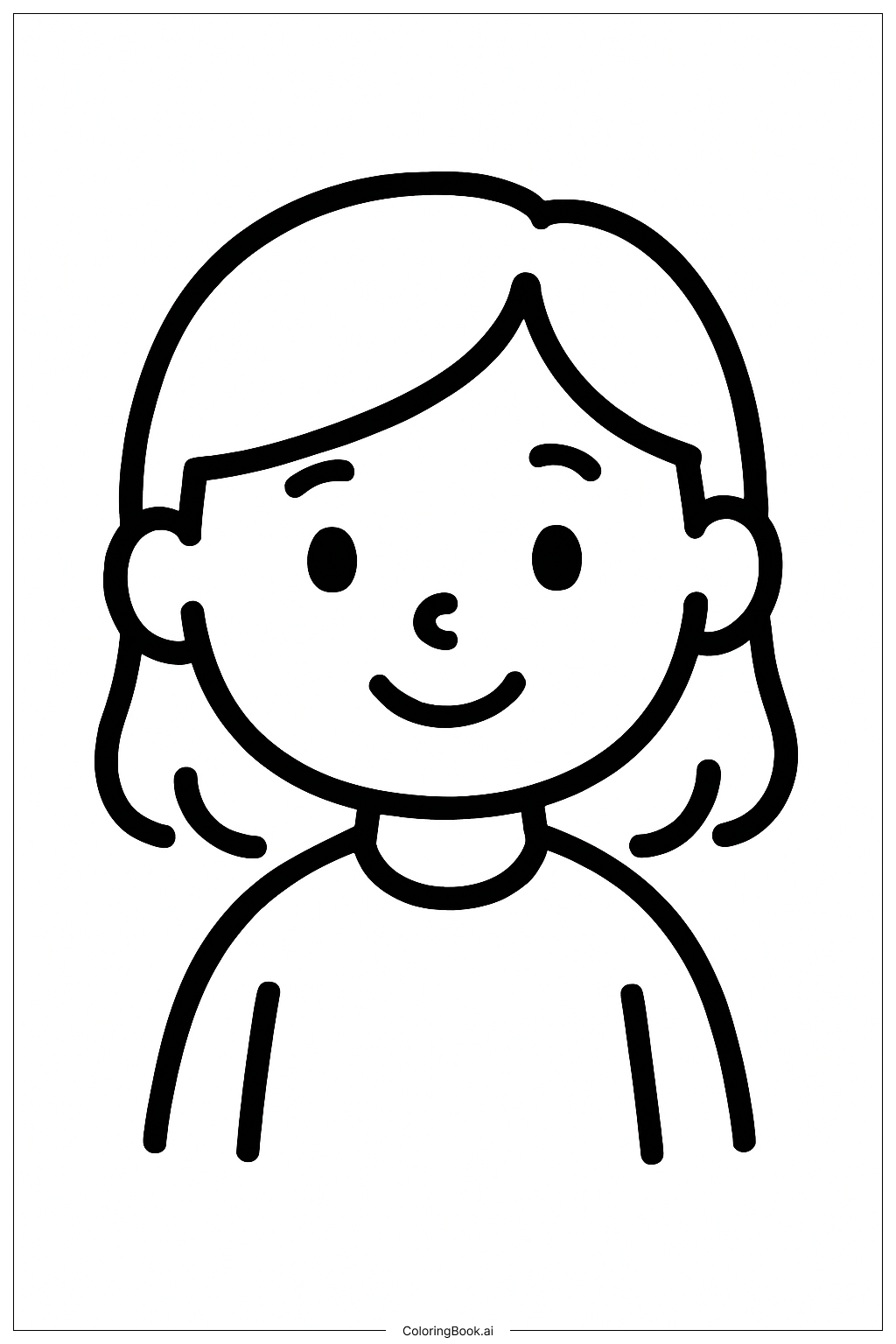
When coloring this portrait, choose bright and cheerful colors. For the girl's hair, shades of blonde, brown, or even fun colors like pink or purple can be exciting. Use skin tones that you like, and make sure her smile stands out with a nice shade for her lips. For her top, you can select patterns or solid colors. Adding background colors like light blue for sky or green for grass will give the picture a lively feel. Encourage creativity by using different color combinations and sparkles to make this portrait unique!
Coloring challenges: Which parts are difficult to color and need attention for Beauty And The Beast Belle Portrait coloring page?
1. Matching Skin Tones: Finding the right skin tone can be tricky. Children may struggle to select shades that look natural and pleasing together. 2. Hair Color Choices: The hair can be a creative challenge. Kids might find it hard to decide if they want natural hair colors or something bright and different, which requires a bit more thought. 3. Highlight and Shadow: Adding highlights and shadows can be tough for younger artists. Understanding where to place lighter or darker colors may need practice. 4. Consistency in Colors: Keeping colors consistent throughout the hair and clothing can be challenging. Children might find it hard to ensure the coloring looks neat without spreading into other areas. 5. Background Coloring: Since the background is blank, deciding what to fill it with can be overwhelming. Kids may need some guidance on creating a balanced and colorful setting.
Benefits of coloring books: Advantages of drawing Beauty And The Beast Belle Portrait coloring page
Coloring is a fantastic way for children to express their creativity. It helps them develop fine motor skills and hand-eye coordination. Working on this portrait can boost their confidence when they see their unique color choices come to life. Coloring also encourages relaxation and focus, making it a great activity for winding down. As they choose colors, they learn about color theory, mixing shades, and the importance of contrasts. Overall, coloring is not just fun; it promotes cognitive and emotional growth in an engaging way.