Coloring tips: How to color Polar Bear coloring page well?
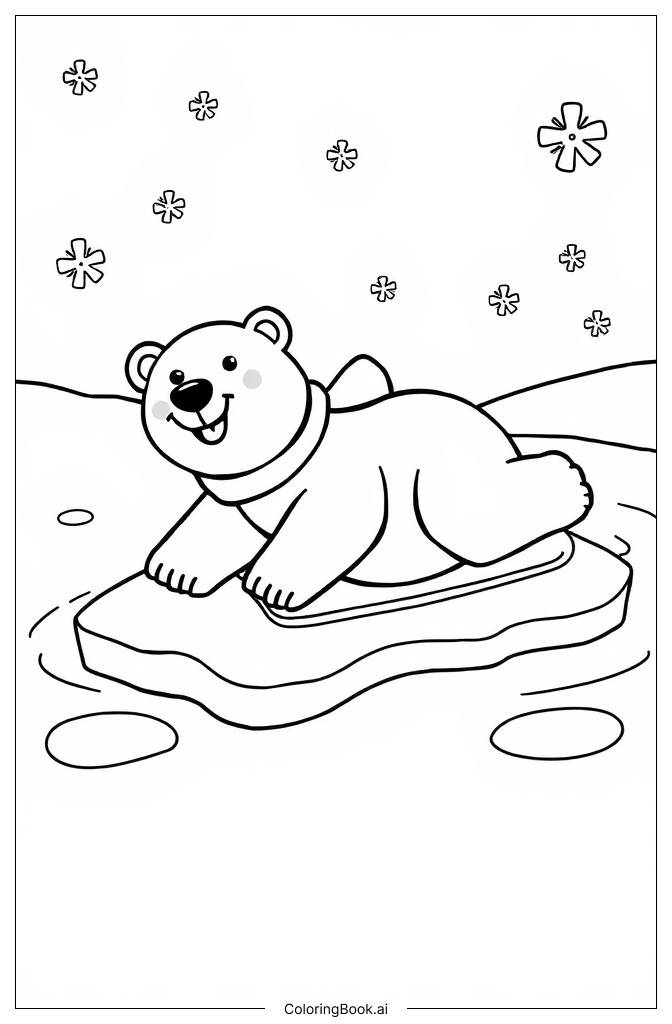
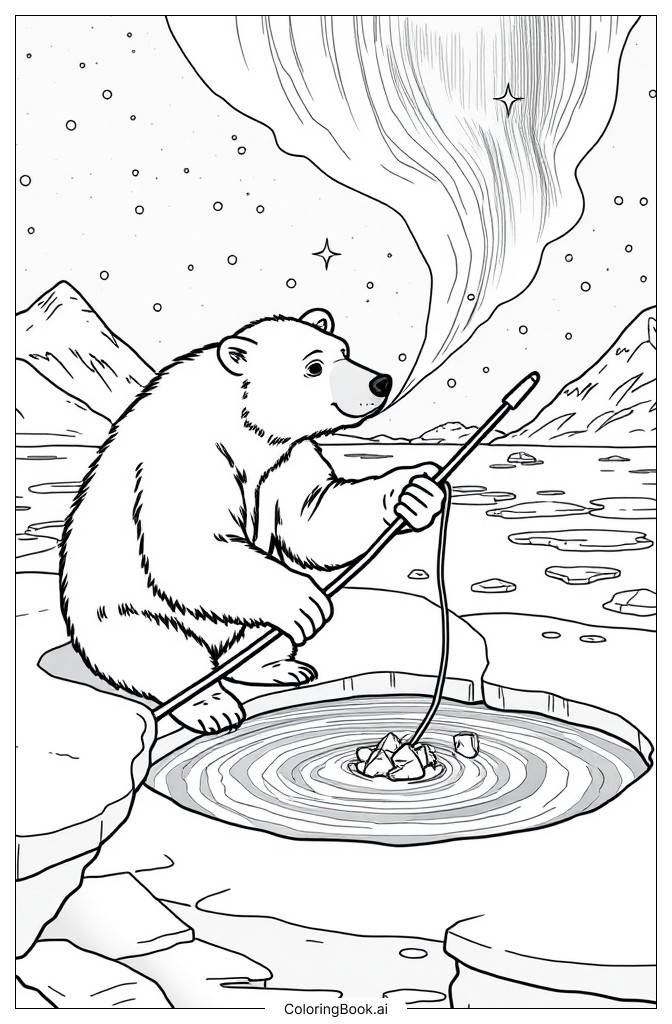
When coloring this Polar Bear, use soft shades of white and light gray for its fur to give it a fluffy, icy feel. You can add light blue or pale lavender shadows to create depth on the fur. For the snowy ice, try different cool colors like pale blue, icy teal, or very light purple to make the background look cold and fresh. The eyes can be colored dark brown or black to stand out. For the snowflakes falling around the bear, use light blue or silver tones to make them sparkle. Keep the colors gentle and cool to reflect the Arctic atmosphere. You can also experiment by adding a warm yellow glow if you want to show sunlight reflecting on the bear’s fur.
Coloring challenges: Which parts are difficult to color and need attention for Polar Bear coloring page?
• Fur Texture: The Polar Bear’s soft and thick fur has many curves and small details. Carefully shading to show the fur’s volume without making it look flat can be tricky.
• White Color Challenge: Since the bear’s fur is mostly white, it is hard to add shadows and shapes using only light colors. Using subtle tones like very light grays or blues helps, but it requires patience.
• Ice and Snow Details: Coloring the ice and snow around the bear involves blending cool colors smoothly. Making the snowflakes look delicate without overwhelming the bear can be challenging.
• Shadows and Light: Showing the sense of cold light and shadow to give the bear a three-dimensional look takes practice. Too dark or too light coloring might lose the bear’s form.
• Paws and Claws: The bear’s paws and claws have small details that need careful coloring to stand out yet look natural in a cold environment.
Benefits of coloring books: Advantages of drawing Polar Bear coloring page
Coloring this Polar Bear image helps improve attention to detail, especially when working with subtle shades like whites and light grays. It encourages the use of light and shadow to create depth and volume, developing important shading skills. This image also lets children explore cool color palettes like blues and purples, which strengthens their understanding of color harmony. Focusing on the snowflakes and icy background promotes patience and fine motor skills. Overall, coloring a Polar Bear in its Arctic setting offers a calming and educational activity that connects kids with nature and wildlife.