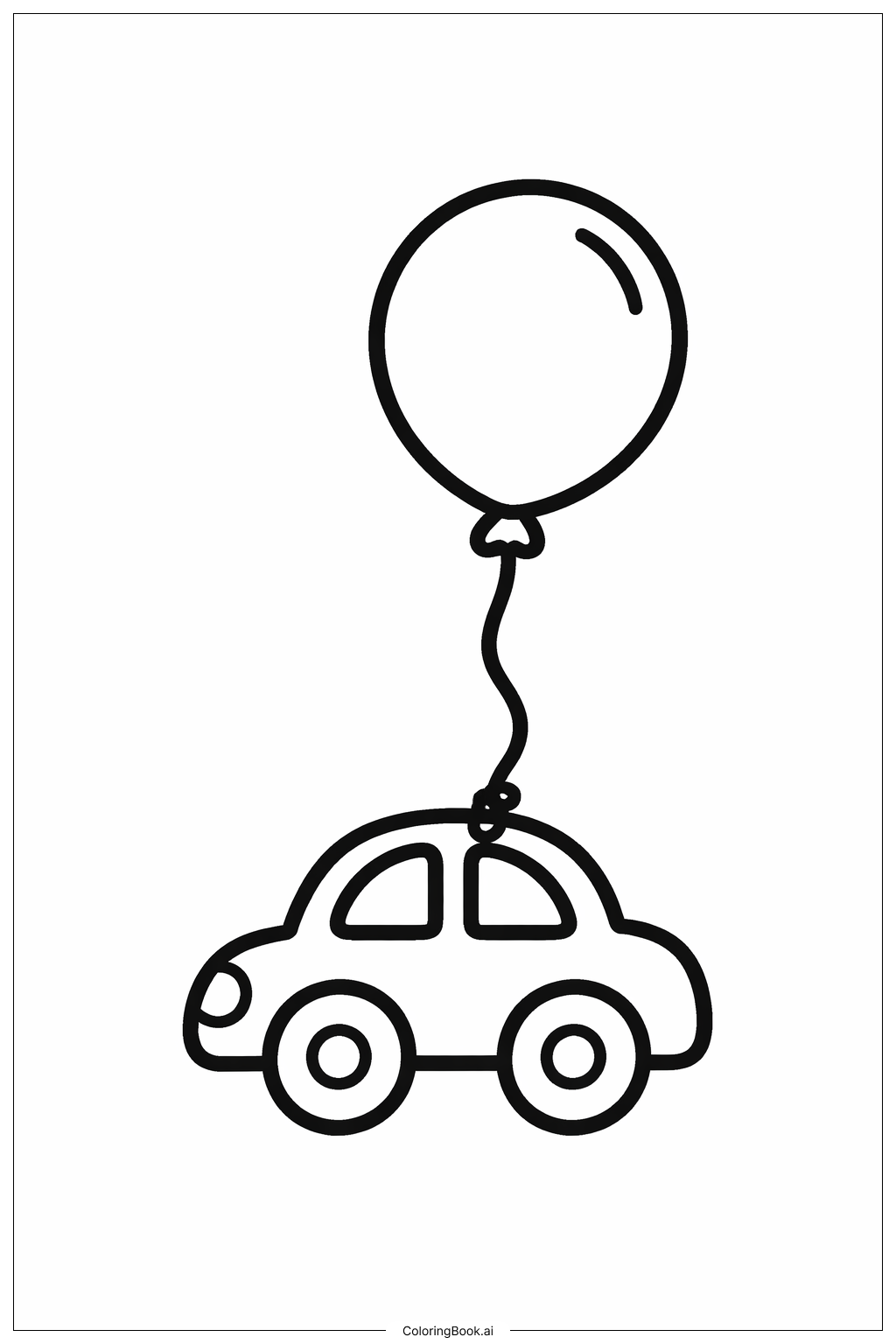
Coloring tips: How to color Balloon Toy coloring page well?
For this Balloon Toy coloring page, try using bright and cheerful colors to match the fun spirit of a balloon dog. Consider using red, blue, yellow, or green for the main body parts. You could color the ears and tail a different shade to add contrast. For the eyes, black or dark blue with white highlights can make them look lively. The nose and mouth area can be colored pink or light red to add warmth. Don’t forget to add some shading or gradient to make the balloon segments appear round and shiny. Feel free to use your favorite marker, crayon, or colored pencil for a smooth, glossy effect.
Coloring challenges: Which parts are difficult to color and need attention for Balloon Toy coloring page?
• Rounded Shapes Precision: The balloon segments have smooth, round shapes that require careful coloring to stay within the edges without overlapping. • Eye Details: The eyes include pupils and highlights, which need precise coloring to capture the lively expression without losing details. • Color Separation: Different balloon sections need distinct colors, so staying inside the lines to keep parts separate can be challenging for young children. • Shading and Gloss: To create a realistic balloon look, adding shading or highlights is helpful but may be difficult for beginners to blend colors properly. • Small Features: The nose, smile, and claws are tiny details that require attention to avoid coloring over their borders or losing their shape.
Benefits of coloring books: Advantages of drawing Balloon Toy coloring page
Coloring this Balloon Toy helps develop fine motor skills, especially hand-eye coordination, as colors must stay within rounded and small shapes. It sparks creativity by allowing choices in color combinations and shading techniques to represent a shiny balloon surface. Completing this picture also improves focus and patience because of the delicate details in the eyes and tail. Finally, coloring a familiar and happy object like a balloon dog can boost mood and encourage imaginative play, making it a fun and educational activity for children ages 4 to 16.