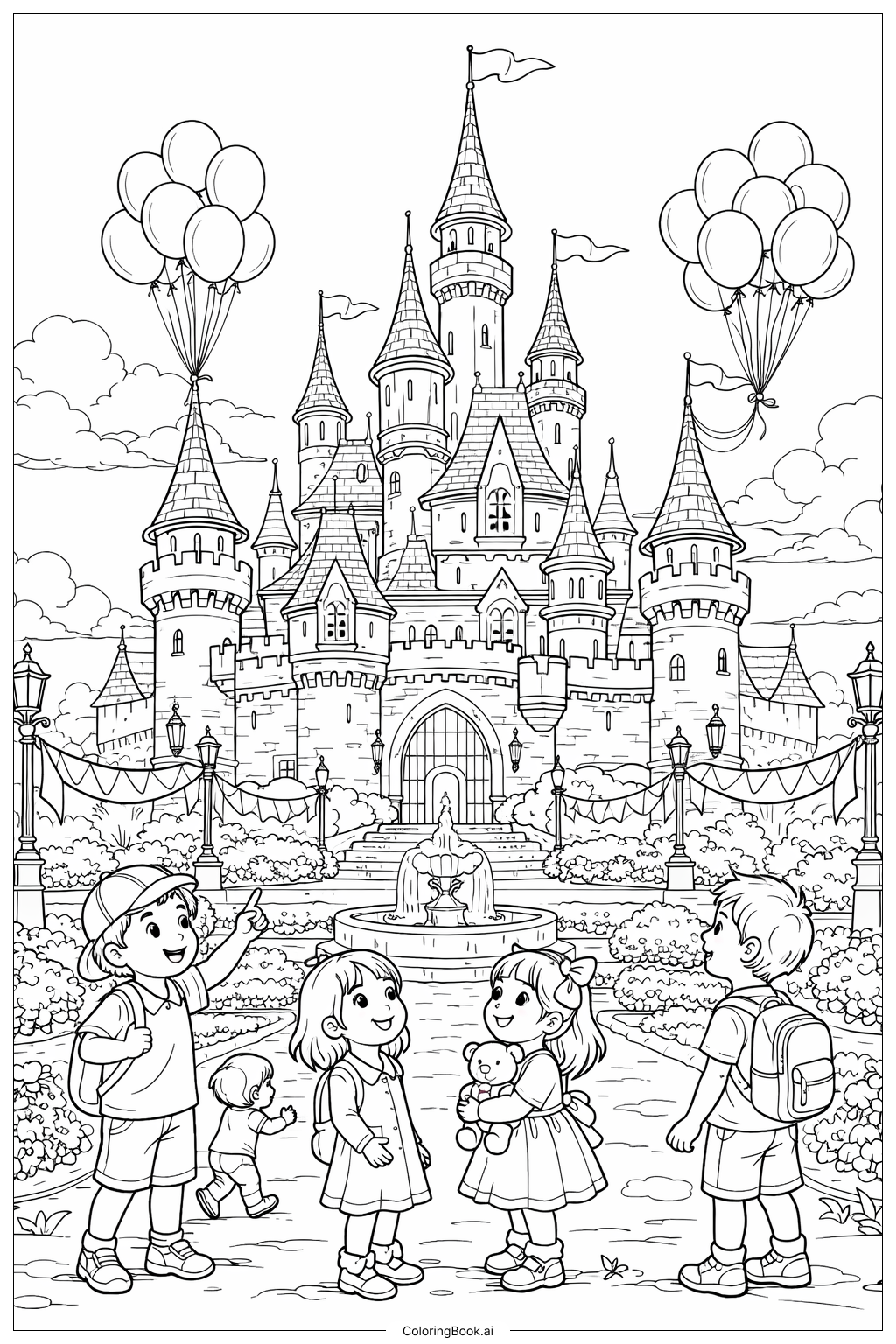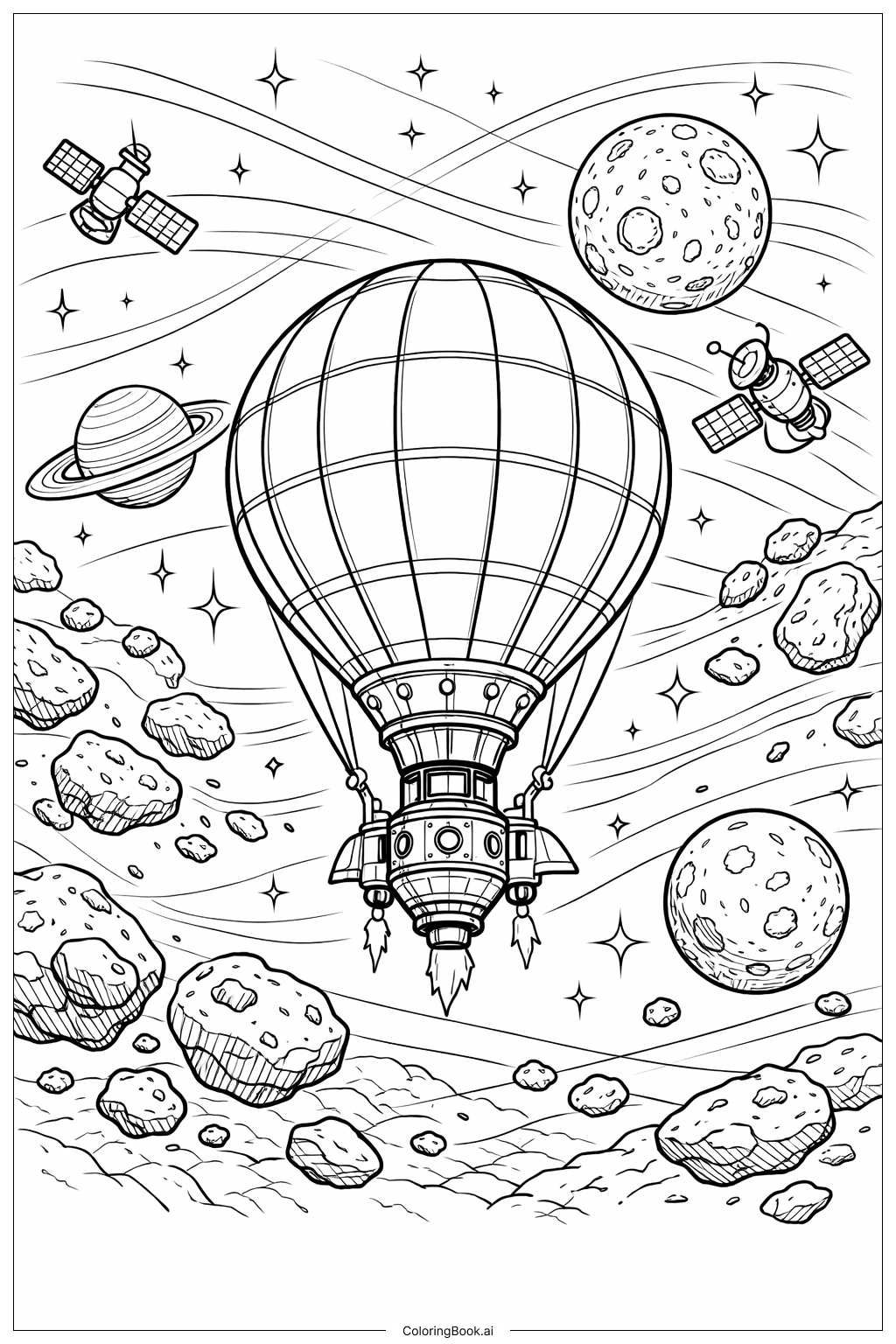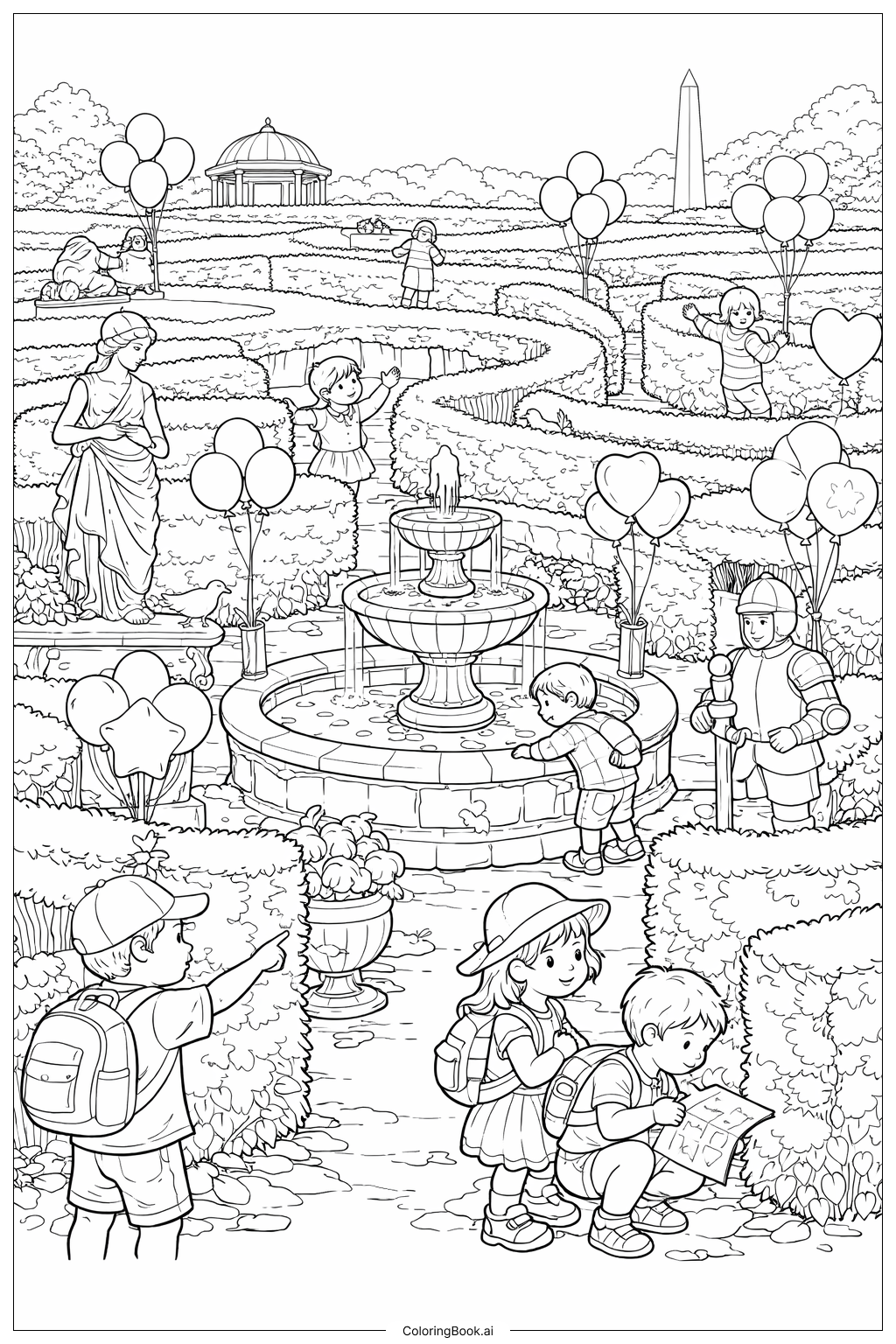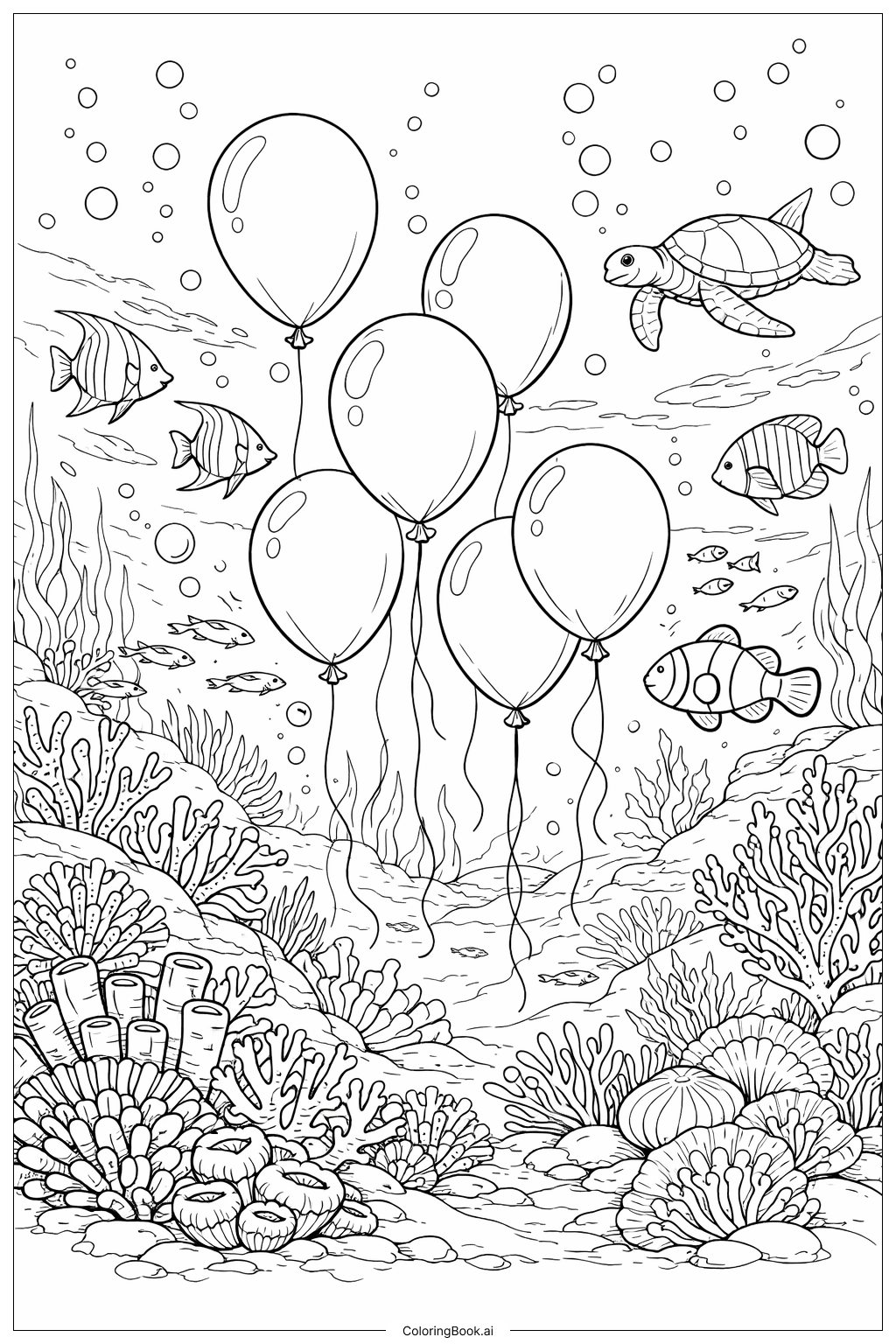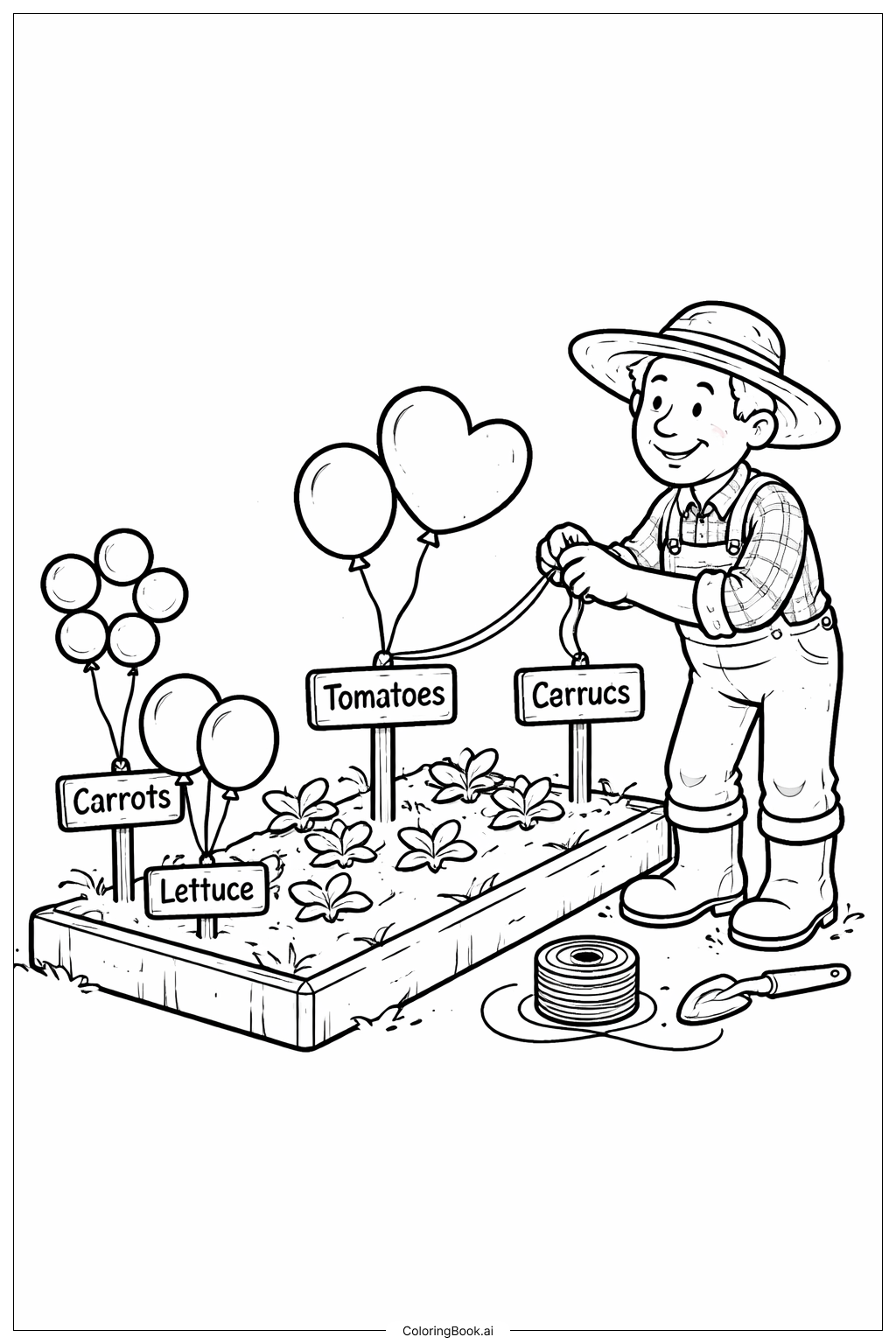
Coloring tips: How to color Balloon Gardener coloring page well?
Start with the sky and background. Use light blue for the balloon clouds and a soft yellow for the sun if one is present. For the balloon gardener's body, pick bright, fun colors like red, orange, or green — balloons look great in bold, solid hues. Give each balloon flower a different color to make the garden pop. Try pink, purple, yellow, and coral for the blooms. Use a rich green for the balloon vines and leaves to contrast with the flowers. The garden paths can be colored tan or light brown. For the balloon butterflies and bees, use cheerful multicolor patterns. Keep each balloon shape a single flat color for a clean, cartoonish look. If you want extra shine, leave a small white dot on each balloon to suggest a highlight. Use darker shades of each color along the edges to add a gentle shadow effect. Have fun mixing and matching — there are no wrong color choices in a balloon garden!
Coloring challenges: Which parts are difficult to color and need attention for Balloon Gardener coloring page?
• Balloon Outlines and Curves: Every element in this image is made of round, bubbly balloon shapes. Staying neatly inside those curved outlines can be tricky, especially where multiple balloons overlap or connect. Young colorists should move their crayon or marker in slow, rounded strokes that follow the curve of each balloon.
• Overlapping Balloon Clusters: The garden is filled with groups of balloon flowers and vines that sit close together or overlap. Coloring one balloon without accidentally smudging or bleeding into a neighboring one requires patience and a fine-tipped tool. Using colored pencils rather than markers in tight areas can help maintain clean borders.
• Color Variety Without Repetition: With so many balloon shapes in one scene, choosing colors that are distinct yet harmonious is a real challenge. If every balloon gets the same color, the image looks flat. Planning a color palette before starting — and alternating warm and cool tones — helps the garden feel lively and balanced.
• Small Decorative Details: Elements like the watering can, the balloon bees, and the butterfly wings contain smaller interior lines and patterns. These tiny areas require a sharp pencil tip or a fine-point tool to fill accurately without going outside the lines.
• Consistent Balloon Shading: To make each balloon look round and shiny, colorists need to apply lighter color in the center and slightly darker tones near the edges. Achieving this gradient effect with crayons or colored pencils takes steady, even pressure and practice with blending techniques.
Benefits of coloring books: Advantages of drawing Balloon Gardener coloring page
Coloring the Balloon Gardener page offers a wonderful range of benefits for kids and creative minds of all ages. The playful balloon theme instantly sparks imagination and makes the coloring session feel like an adventure rather than a task.
For younger children, tracing and filling the round, bubbly balloon shapes helps build fine motor skills and hand-eye coordination. Staying inside the curved lines takes focus and steady control, which supports pencil grip development in a fun, low-pressure way.
Choosing colors for each balloon flower, vine, and creature encourages creative thinking. Kids learn to make decisions, experiment with color combinations, and develop their own sense of style and aesthetic.
The repetitive nature of coloring similar balloon shapes across the page has a calming, meditative quality. It helps children slow down, concentrate, and find a peaceful rhythm — great for moments when they need to settle and unwind.
For older kids and teens, the challenge of shading balloon surfaces to look round and shiny introduces basic concepts of light, shadow, and depth. This builds early art skills that transfer to drawing and painting.
Overall, this page combines fun, focus, and creativity in one delightful activity that the whole family can enjoy together.