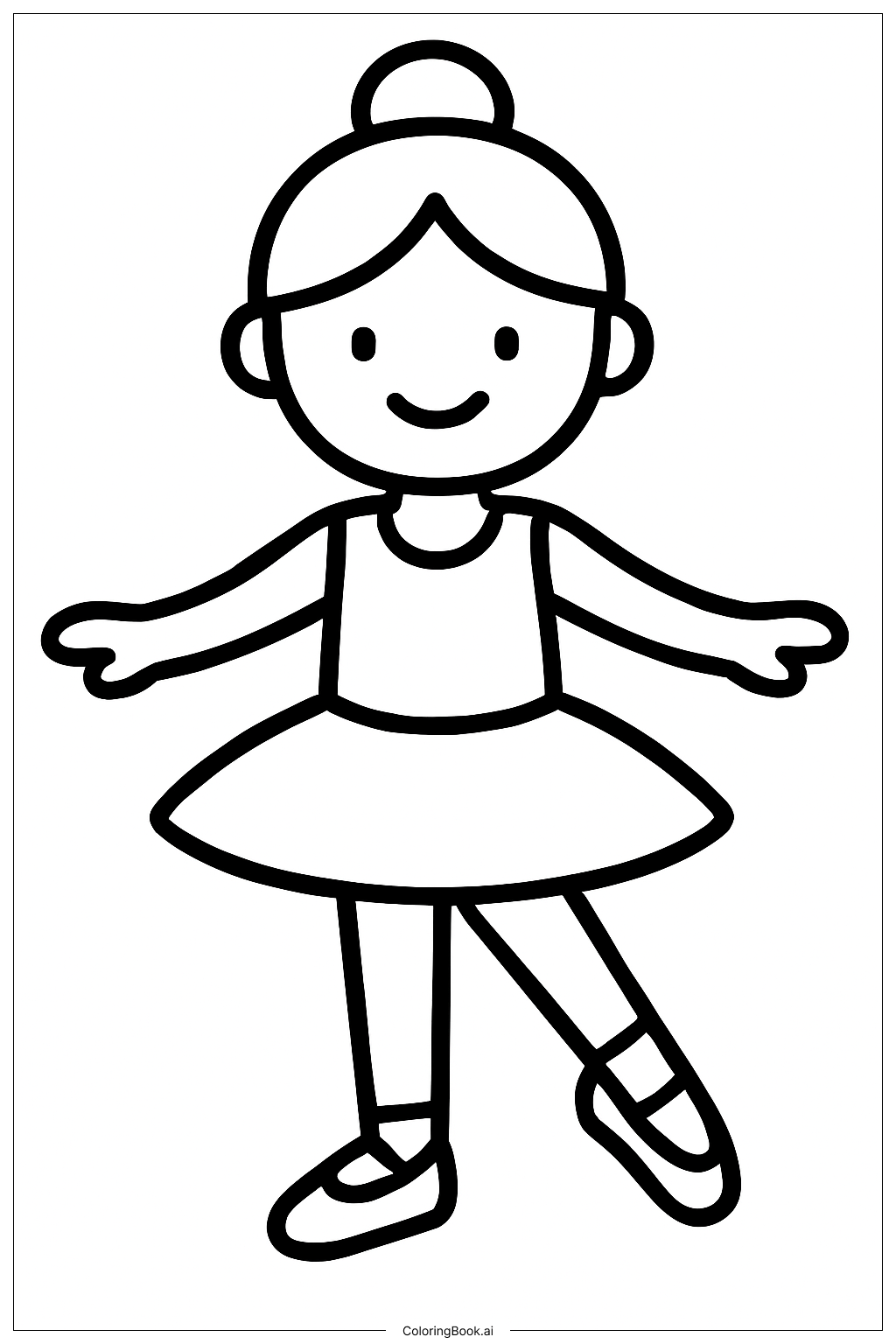
Coloring tips: How to color Ballet Dancer Standing coloring page well?
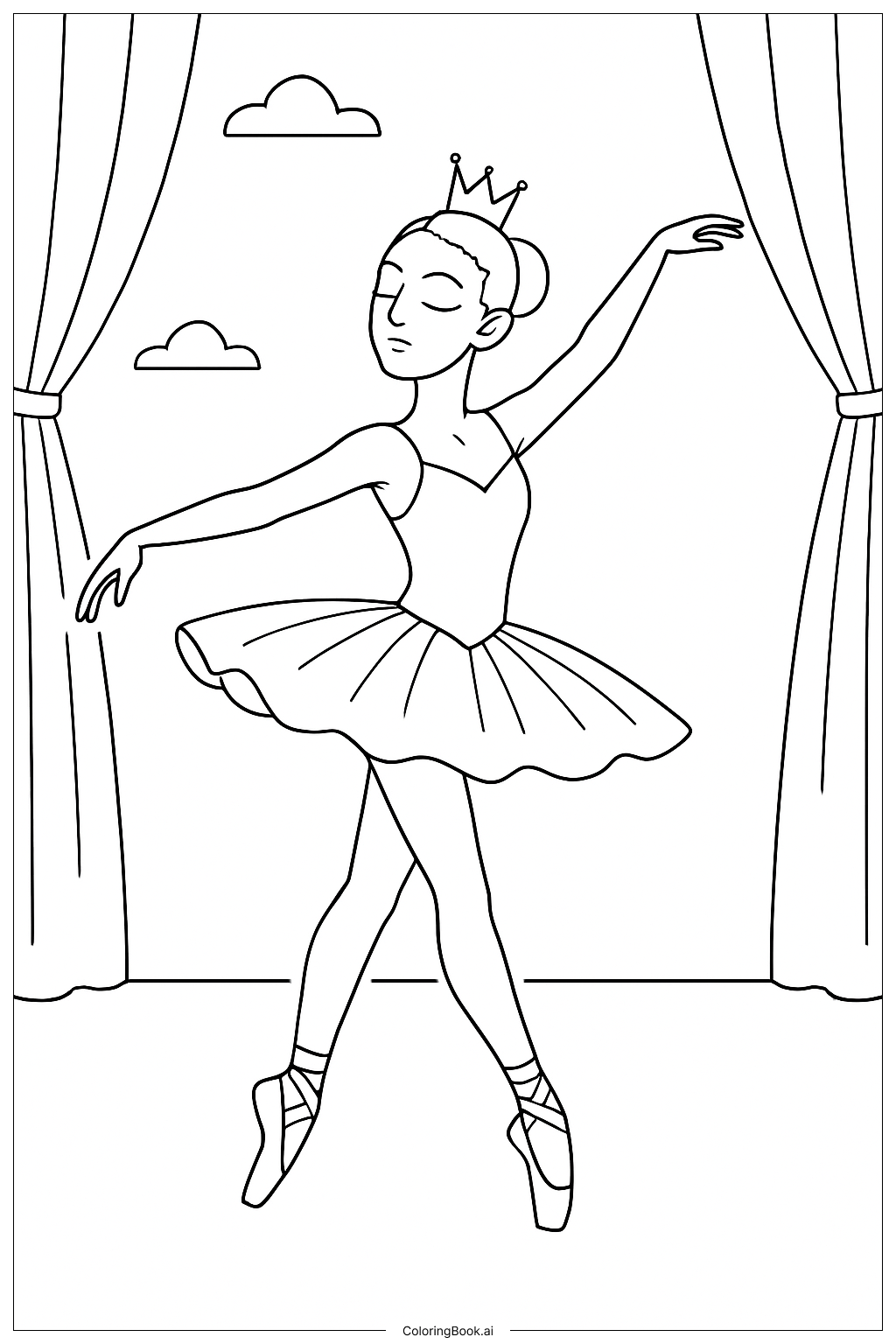
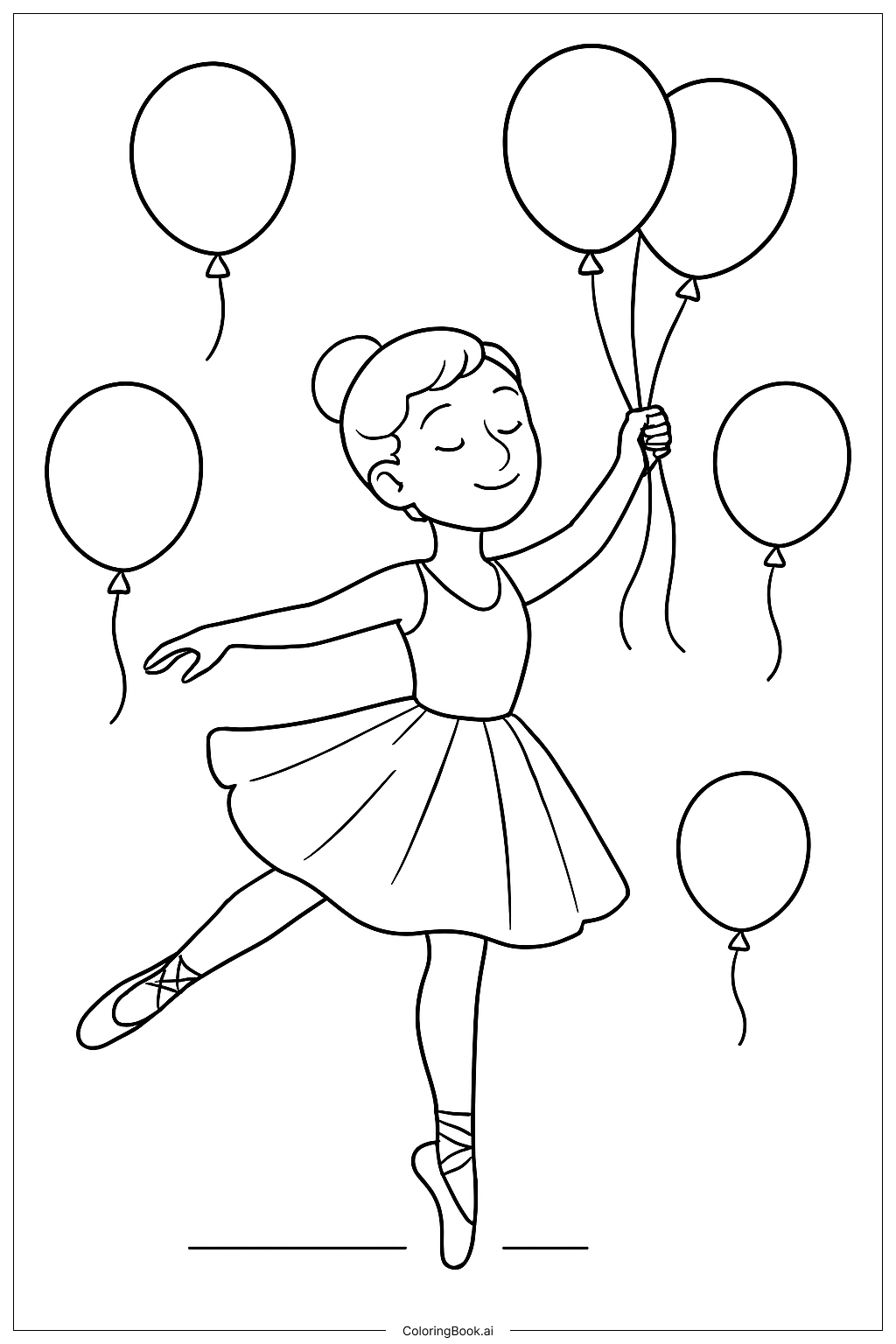
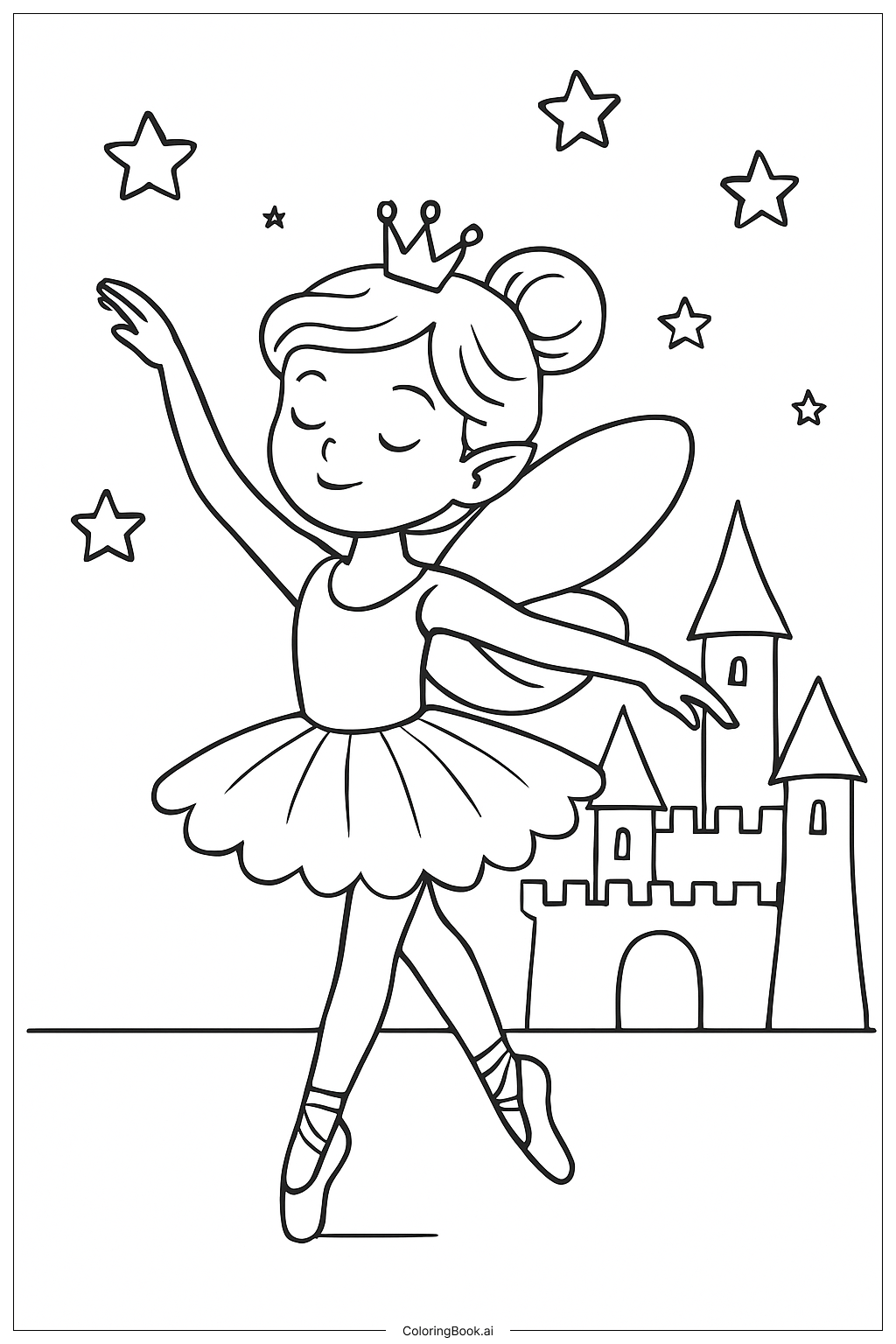
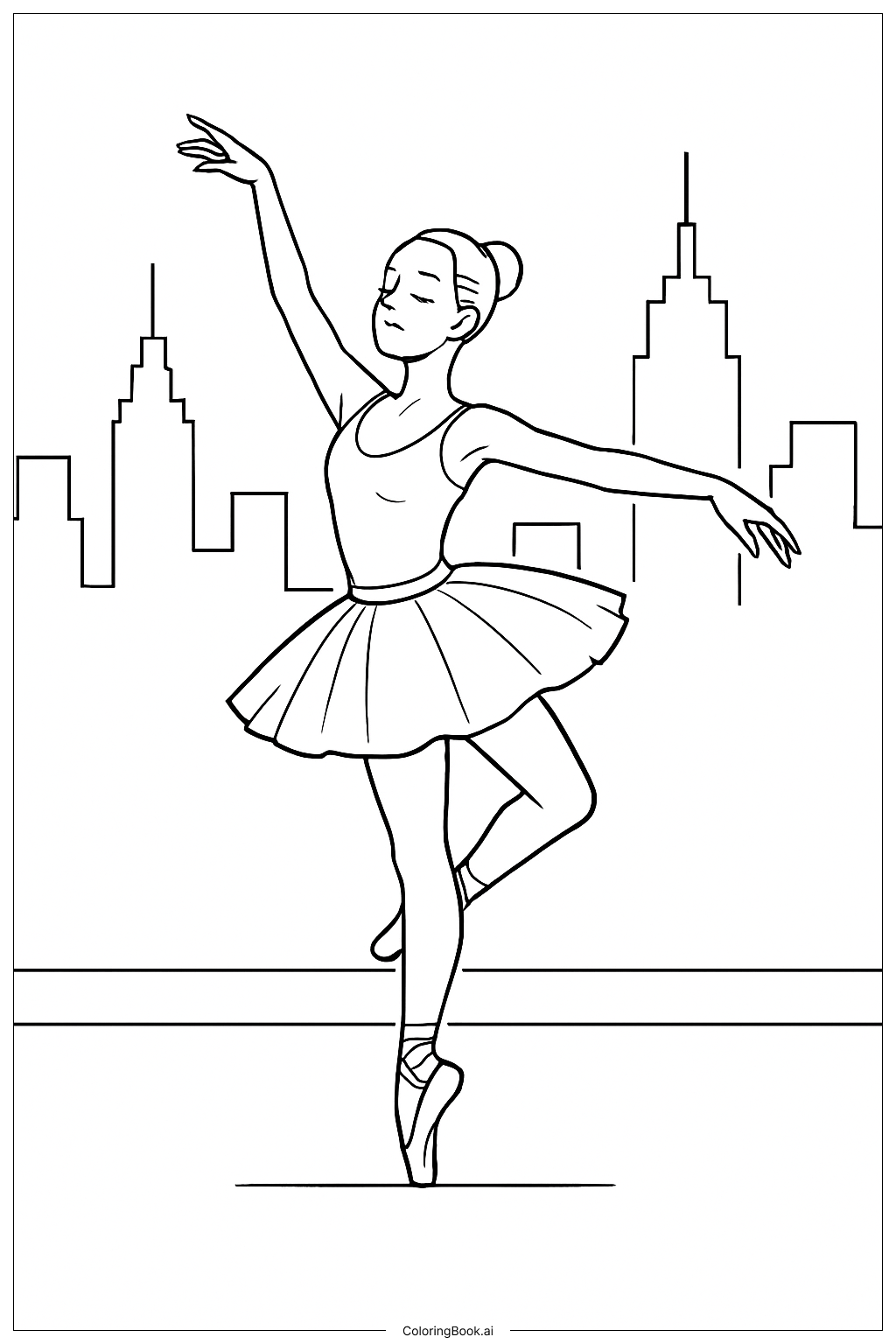
Start with the tutu skirt, using soft shades like pale pink, lavender, or light blue to give it a dreamy, airy look. Layer slightly darker tones at the folds to add depth. Color the leotard in a complementary shade, such as dusty rose or powder blue. Use a warm peach or tan for the dancer's skin tone, and add gentle shading along the arms and legs to show muscle definition. Paint the pointe shoes in a classic ballet pink or ivory. For the hair bun, choose a warm brown, black, or golden blonde. The background, if present, can be kept simple with soft pastels or left white to keep the focus on the dancer. Use light, gentle strokes throughout to match the delicate feel of ballet.
Coloring challenges: Which parts are difficult to color and need attention for Ballet Dancer Standing coloring page?
• Tutu Layers and Folds: The tutu is made up of many overlapping layers of fabric. Each layer has its own curves and shadows. Coloring each layer with slightly different shades of the same color helps it look realistic. Blending smoothly between light and dark tones in the folds is tricky but very rewarding.
• Pointe Shoes and Feet: The pointe shoes wrap closely around the feet and have ribbon ties that wind up the ankle. These small, detailed areas require a steady hand and a fine-tipped tool. Getting the ribbons to look neat while staying within the lines takes patience and careful attention.
• Skin Tone Shading: The dancer's arms, legs, and face need smooth, even skin tones. Adding shading to show muscle shape and body curves makes the figure look three-dimensional. Blending two or three skin tone shades without creating harsh lines is one of the harder skills to master here.
• Hair Bun Details: Although the bun is compact, it still has small wisps of hair and texture lines. Using two tones of the same hair color, one lighter and one darker, gives the bun a natural, rounded look. Small details like flyaway strands can be added with a thin pencil or marker.
• Facial Expression and Features: The dancer's face is small but expressive. Eyes, lips, and brows need precise coloring to look balanced and natural. Using light pressure and small circular strokes helps avoid over-saturating these tiny features.
Benefits of coloring books: Advantages of drawing Ballet Dancer Standing coloring page
Coloring this Ballet Dancer Standing page offers a wide range of benefits for children and beginners alike. It helps build fine motor skills as kids practice staying within detailed lines like the tutu layers, ribbon ties, and facial features. This kind of focused work strengthens hand-eye coordination and pencil control over time.
The image also encourages creativity. Choosing colors for the costume, shoes, and background lets kids express their own artistic style. There is no single right answer, which builds confidence and a sense of ownership over their work.
Working through a complex image like this also teaches patience and concentration. Children learn to slow down, focus on one section at a time, and take pride in finishing a detailed piece.
On a broader level, coloring ballet-themed pages sparks curiosity about dance, performance, and the arts. It can inspire conversations about music, movement, and dedication. Kids who may never have seen a ballet show can begin to appreciate its beauty through this simple creative activity.
Finally, the calming, repetitive motion of coloring has a relaxing effect. It reduces stress and gives children a quiet, screen-free way to unwind while still being productively engaged. This page is a wonderful blend of art, learning, and fun.