Coloring tips: How to color Baby Unicorn Standing coloring page well?
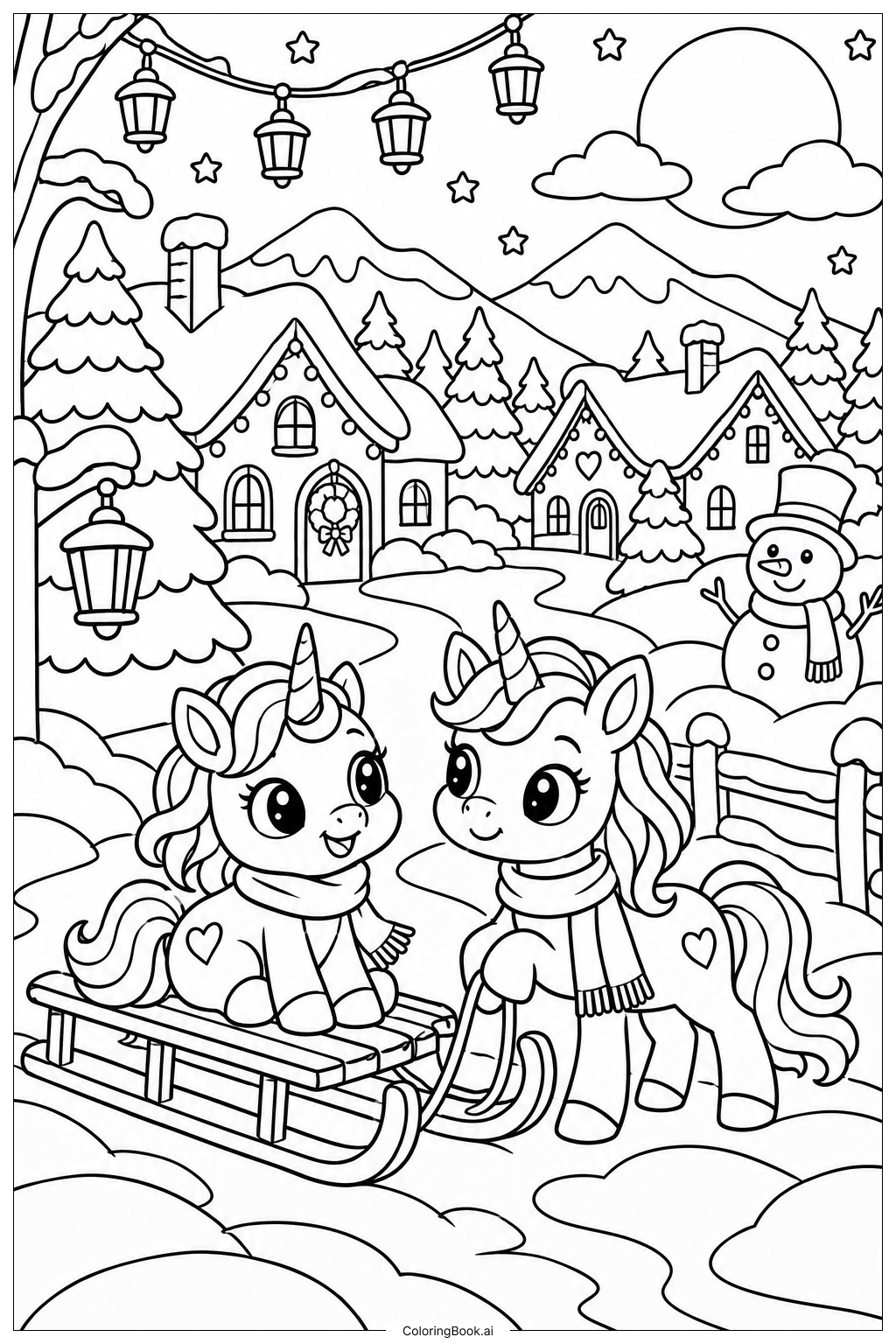
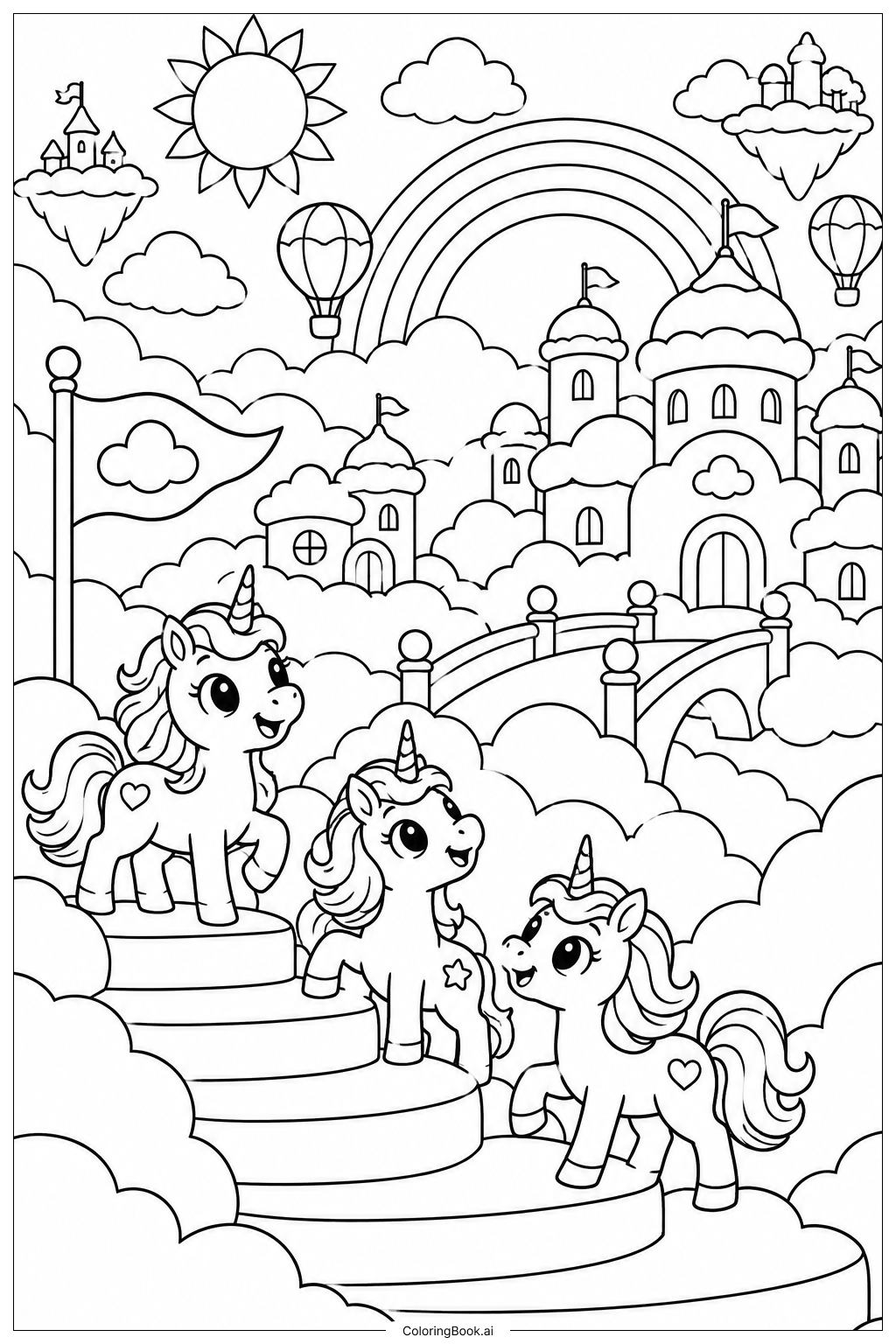
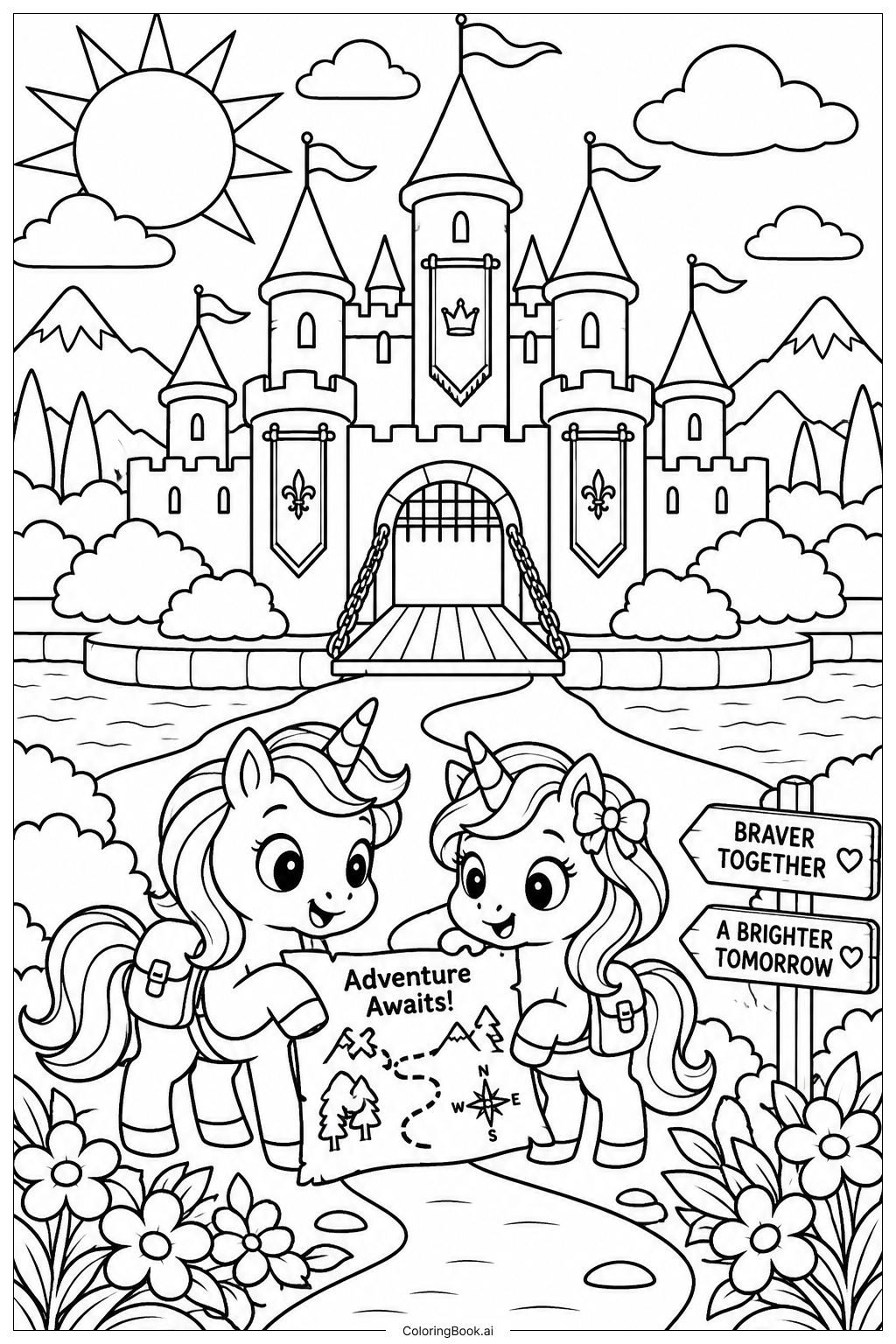
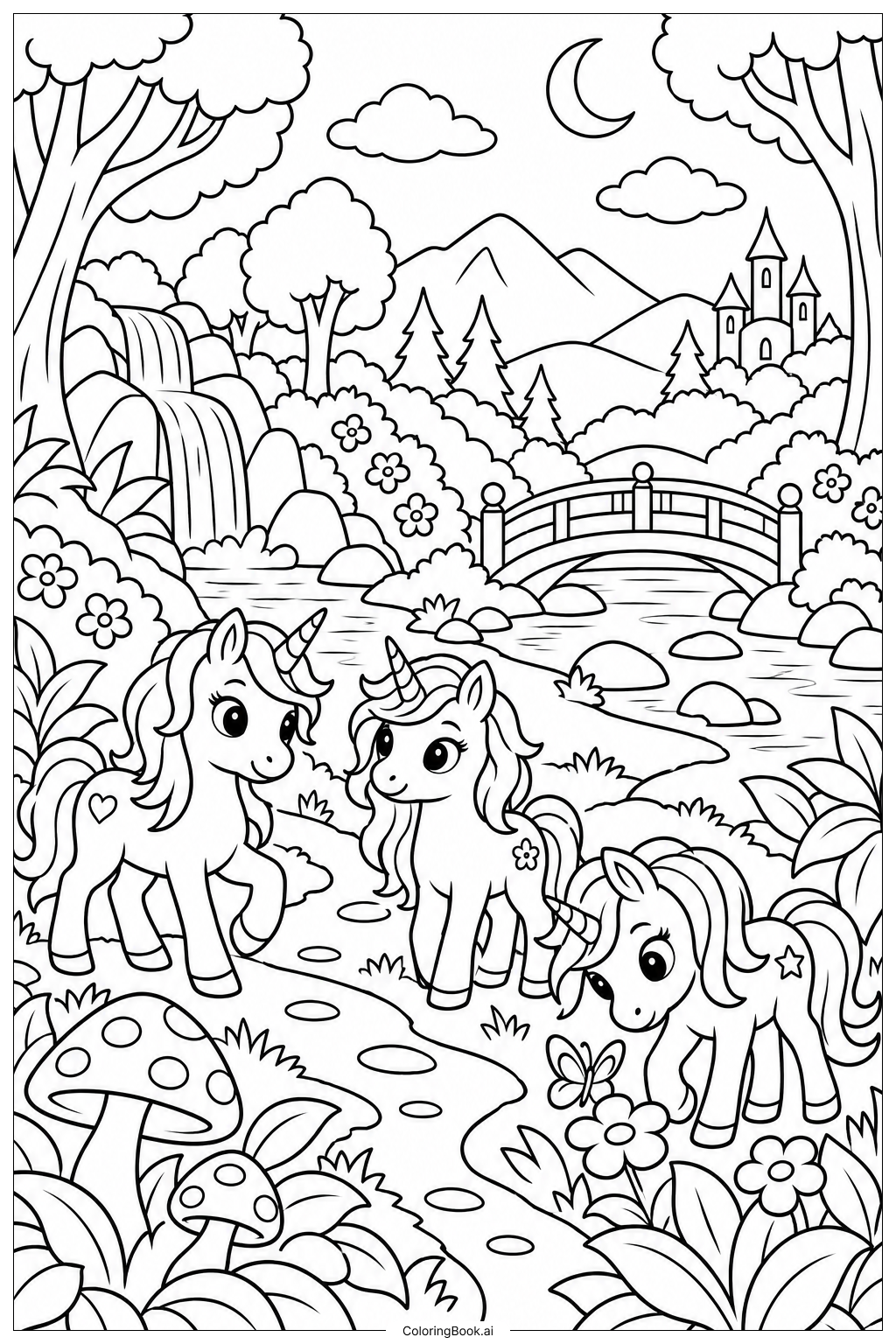
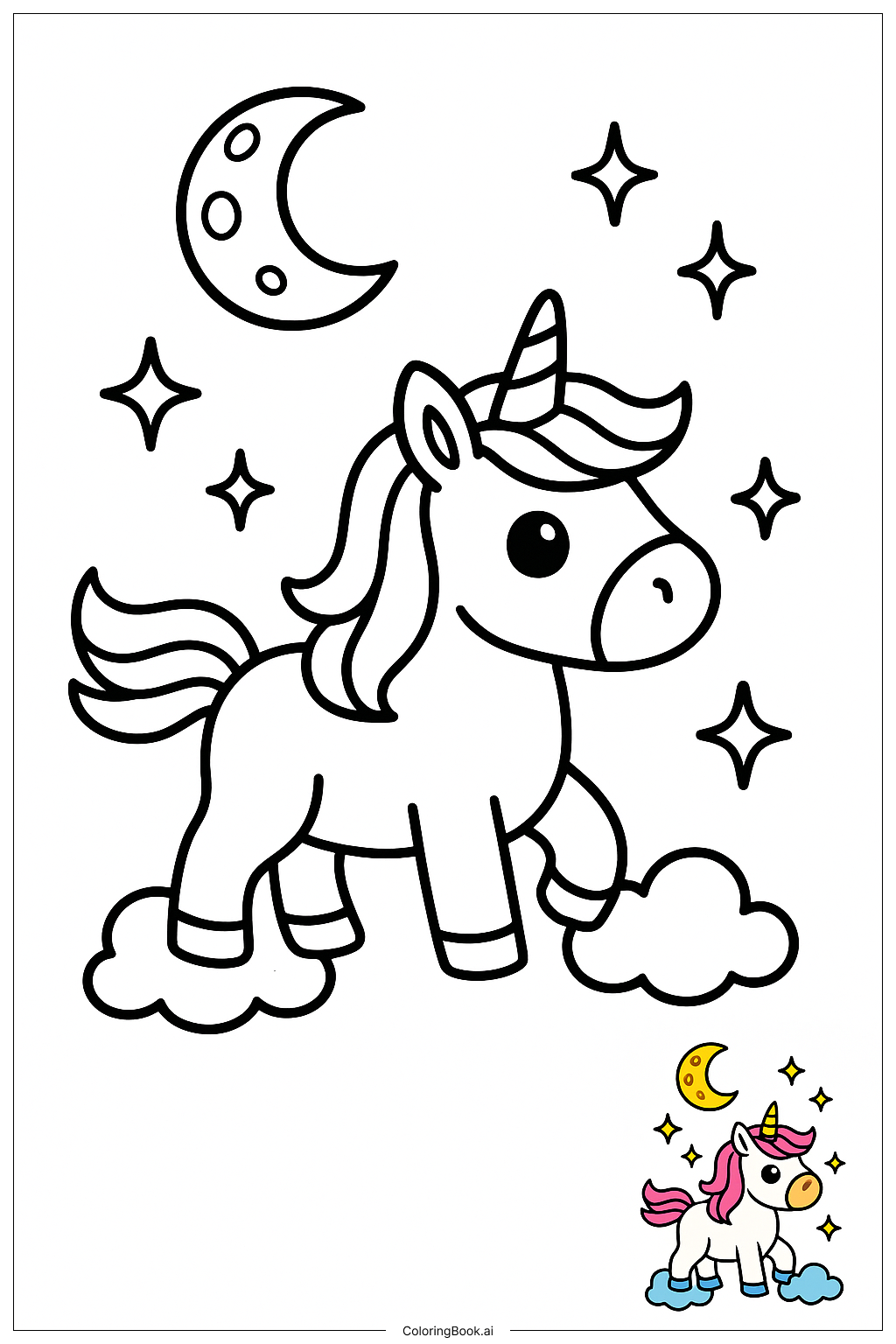
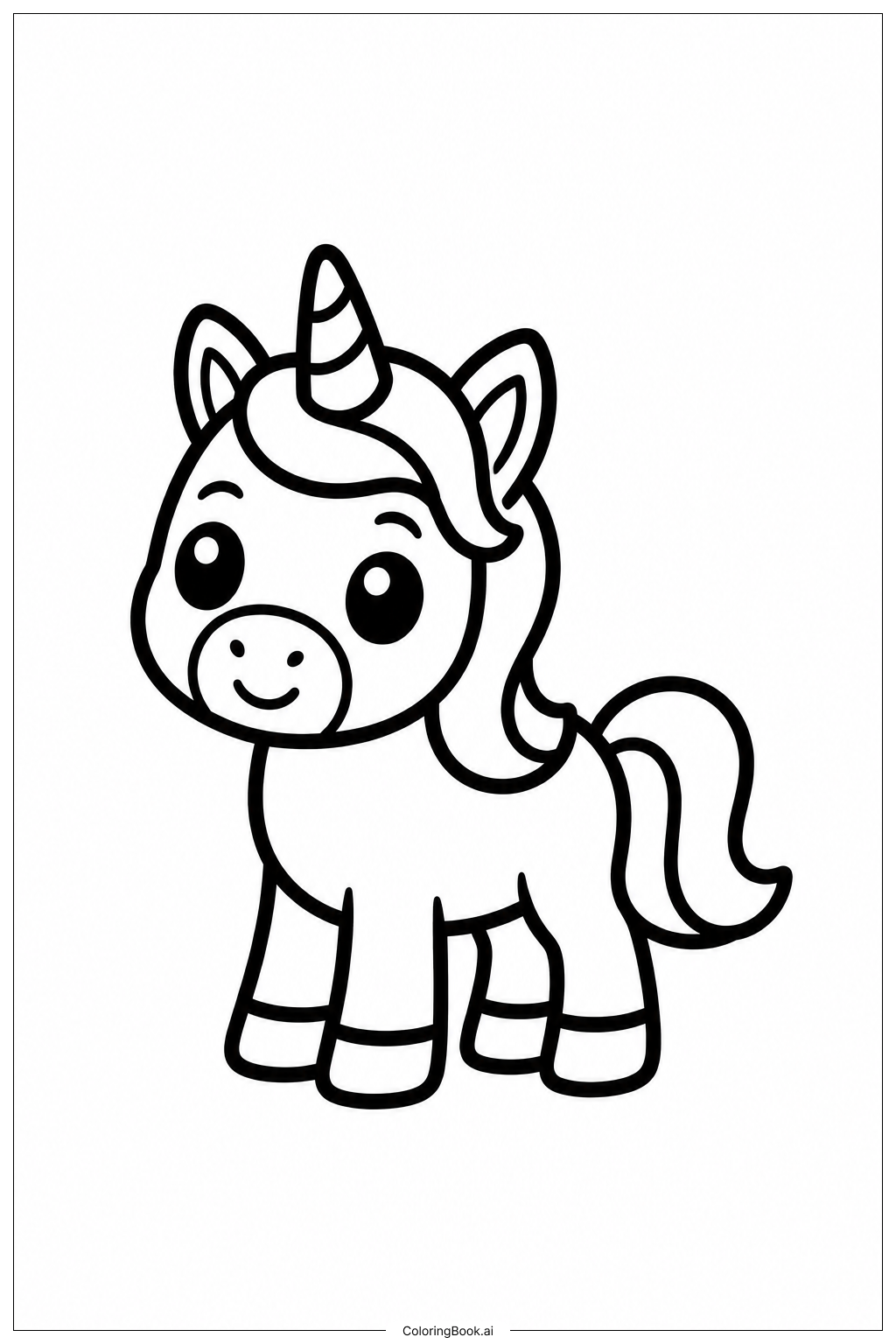
Start with the unicorn's body using soft pastels like light pink, lavender, or baby blue for a dreamy magical feel. The horn can be colored in shimmering gold, silver, or rainbow stripes to make it stand out. For the mane and tail, try blending multiple colors together like purple, pink, and blue to create a magical gradient effect. Add some sparkle by using glitter pens or metallic crayons on the horn and eyes. The hooves can be colored in darker shades like gray or brown for contrast. Consider adding a soft background with stars, hearts, or rainbows using light yellows and pinks. For the eyes, use bright colors like blue or green, and add white highlights to make them sparkle. You can also experiment with pastel rainbow colors throughout the mane for an extra magical touch.
Coloring challenges: Which parts are difficult to color and need attention for Baby Unicorn Standing coloring page?
• Mane and Tail Flow: The flowing, wavy sections of the mane and tail contain multiple curved lines that overlap and intertwine. Young colorers may find it challenging to stay within these winding boundaries, especially when the sections become narrow. Deciding on a color scheme that makes each strand distinct while maintaining harmony requires planning. Blending colors smoothly within these curved areas takes patience and steady hand control.
• Fine Details in Facial Features: The baby unicorn's large eyes include multiple elements like pupils, highlights, and eyelashes that require precision coloring. The small spiral horn has ridged texture lines that need careful attention to create dimension. The gentle smile and nose details are delicate areas where going outside the lines is easily noticeable. These tiny spaces can be frustrating for younger children still developing fine motor control.
• Creating Depth and Dimension: To make the baby unicorn look three-dimensional rather than flat, colorers need to understand light and shadow placement. The rounded body, legs, and face all require shading techniques to show curves and form. Deciding where to place darker tones and lighter highlights demands spatial awareness. Beginners may struggle with making the unicorn appear solid and lifelike rather than cartoon-flat.
• Color Coordination and Planning: With so many distinct areas including body, mane, tail, horn, hooves, and facial features, choosing a cohesive color palette is challenging. Young artists must decide whether to use realistic colors or embrace fantasy with rainbow or pastel schemes. Balancing colors so no single area overwhelms the composition requires forethought and color theory understanding.
Benefits of coloring books: Advantages of drawing Baby Unicorn Standing coloring page
Coloring this Baby Unicorn Standing page offers wonderful developmental benefits for children. It helps improve fine motor skills and hand-eye coordination as they carefully color within the curved lines of the mane and body. The various sizes of spaces, from large body areas to tiny facial details, allow practice with different coloring techniques and pressure control. This image encourages creativity and imagination as children decide on magical color combinations for this fantasy creature. There are no wrong answers when coloring a unicorn, which builds confidence and self-expression. The adorable subject matter provides emotional comfort and joy, making the coloring experience relaxing and stress-reducing. Working on the detailed mane and tail sections builds focus, concentration, and patience. Completing this charming unicorn gives children a sense of accomplishment and pride in their artwork. It's perfect for quiet time activities that promote mindfulness while sparking wonder about magical worlds and creatures.