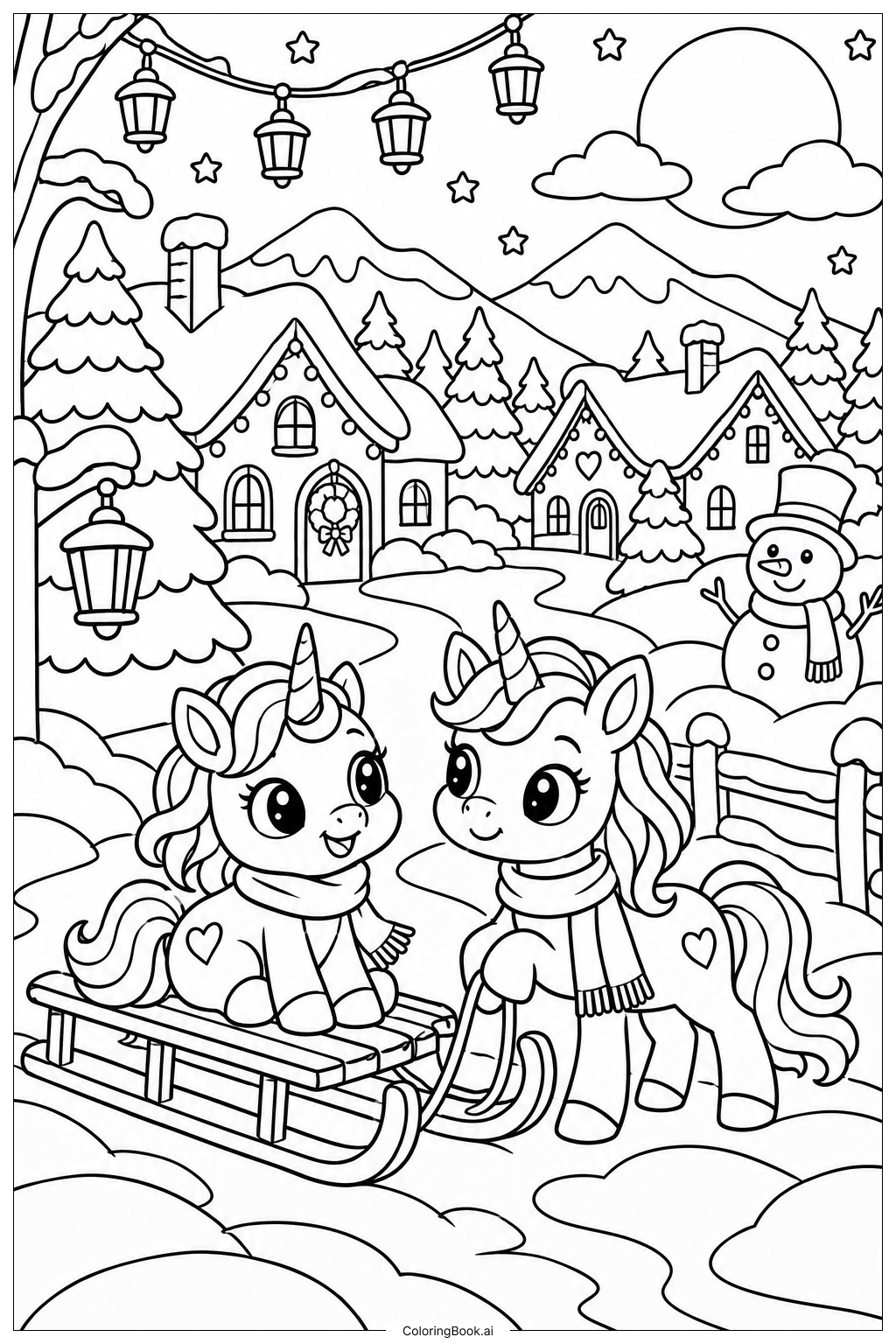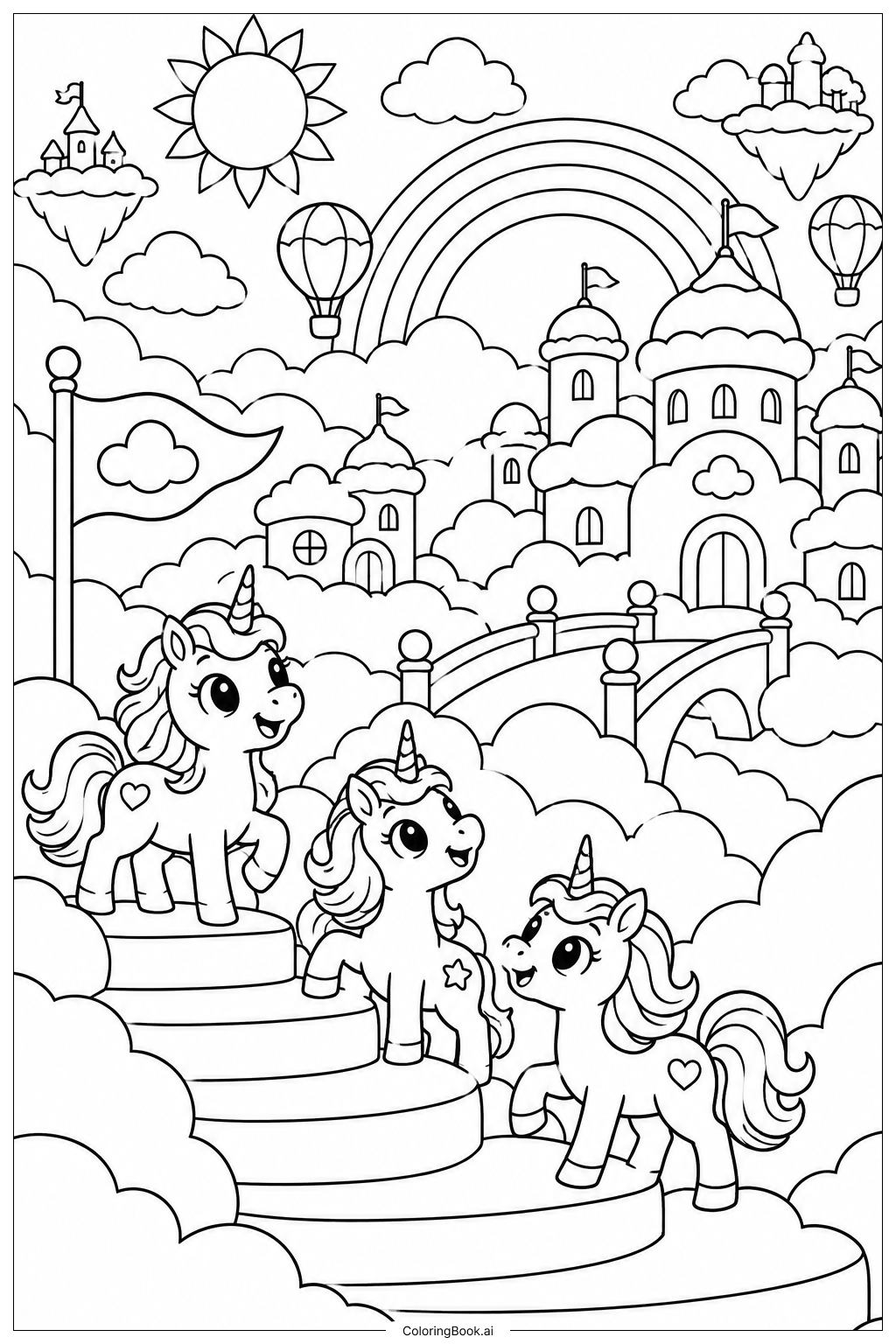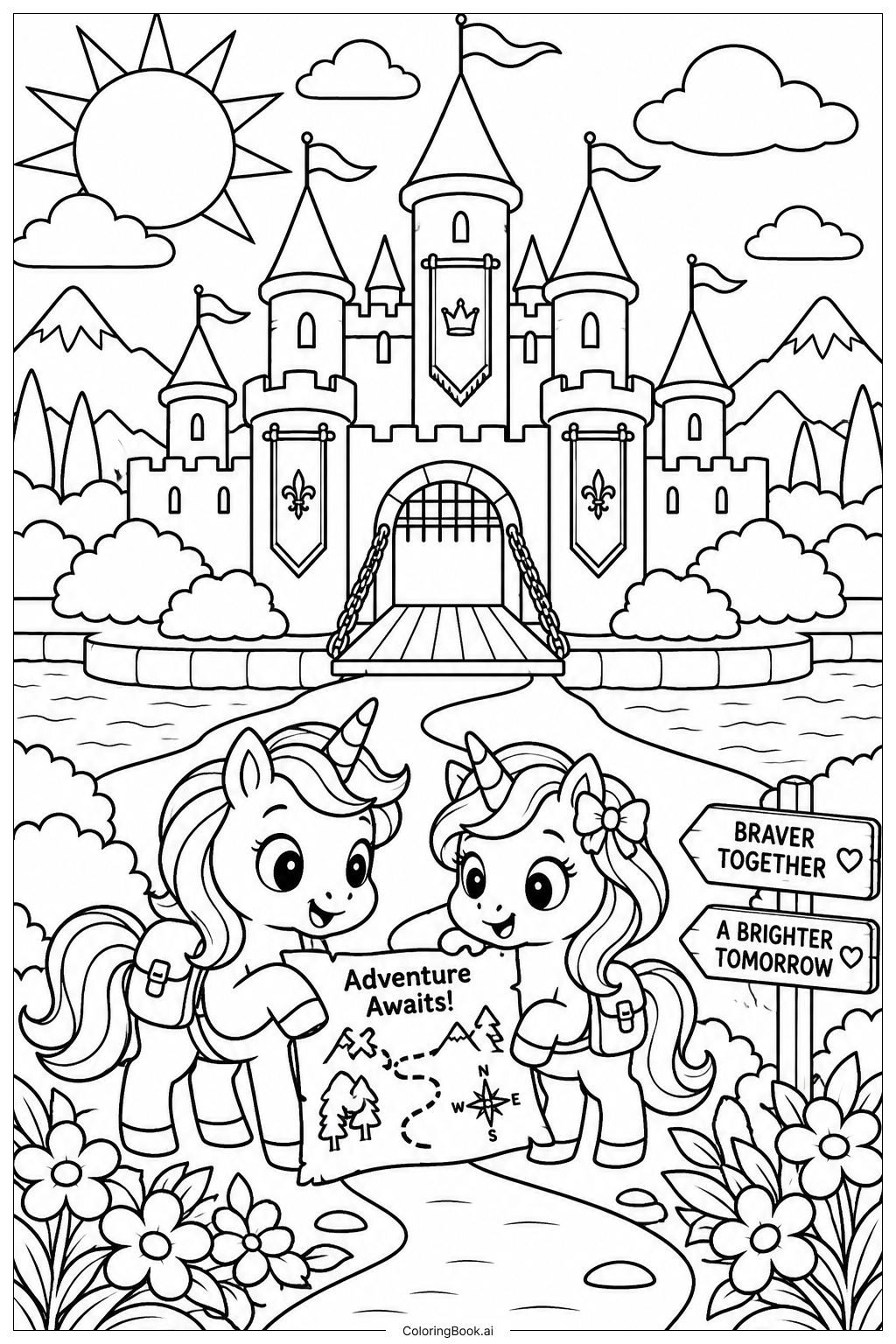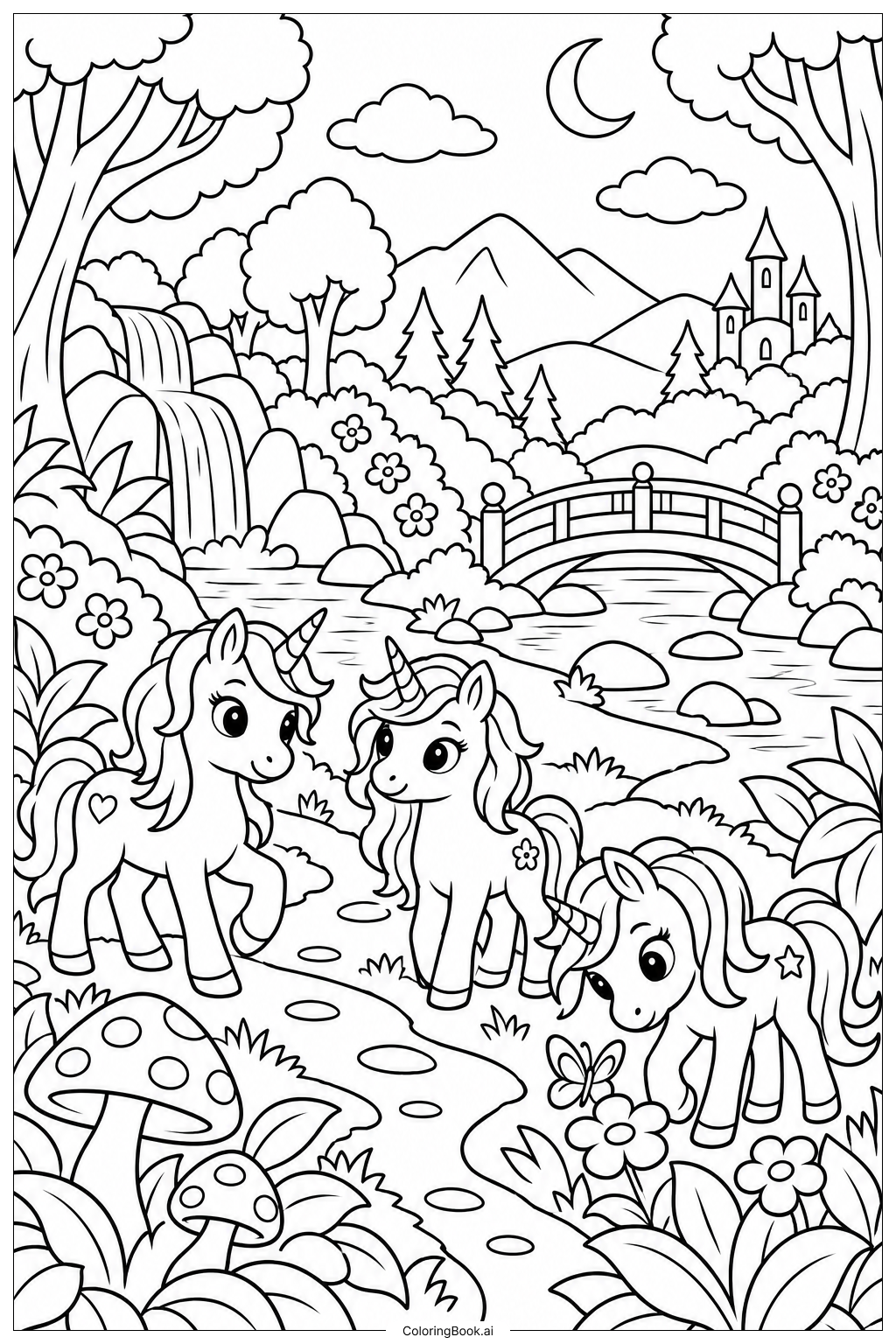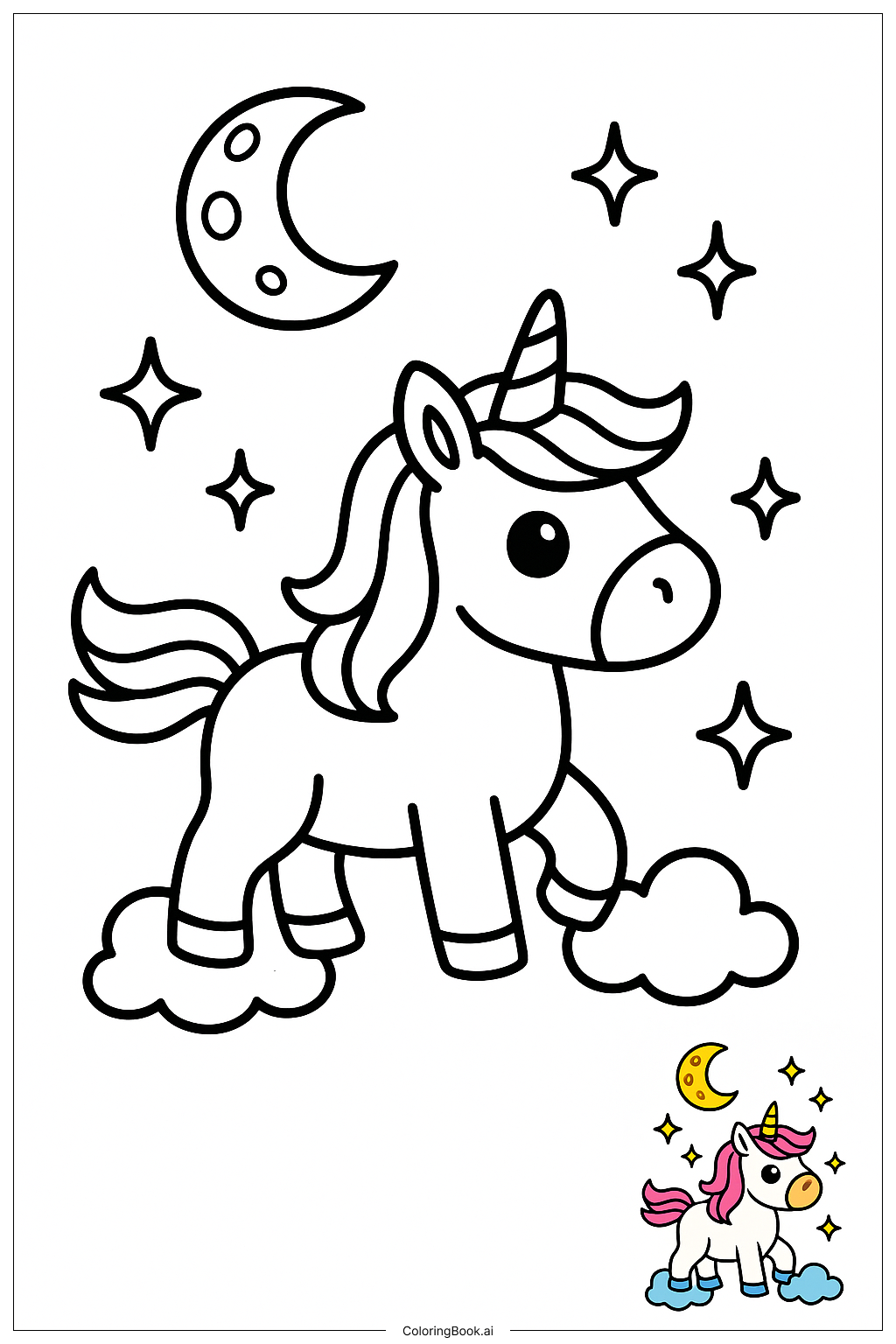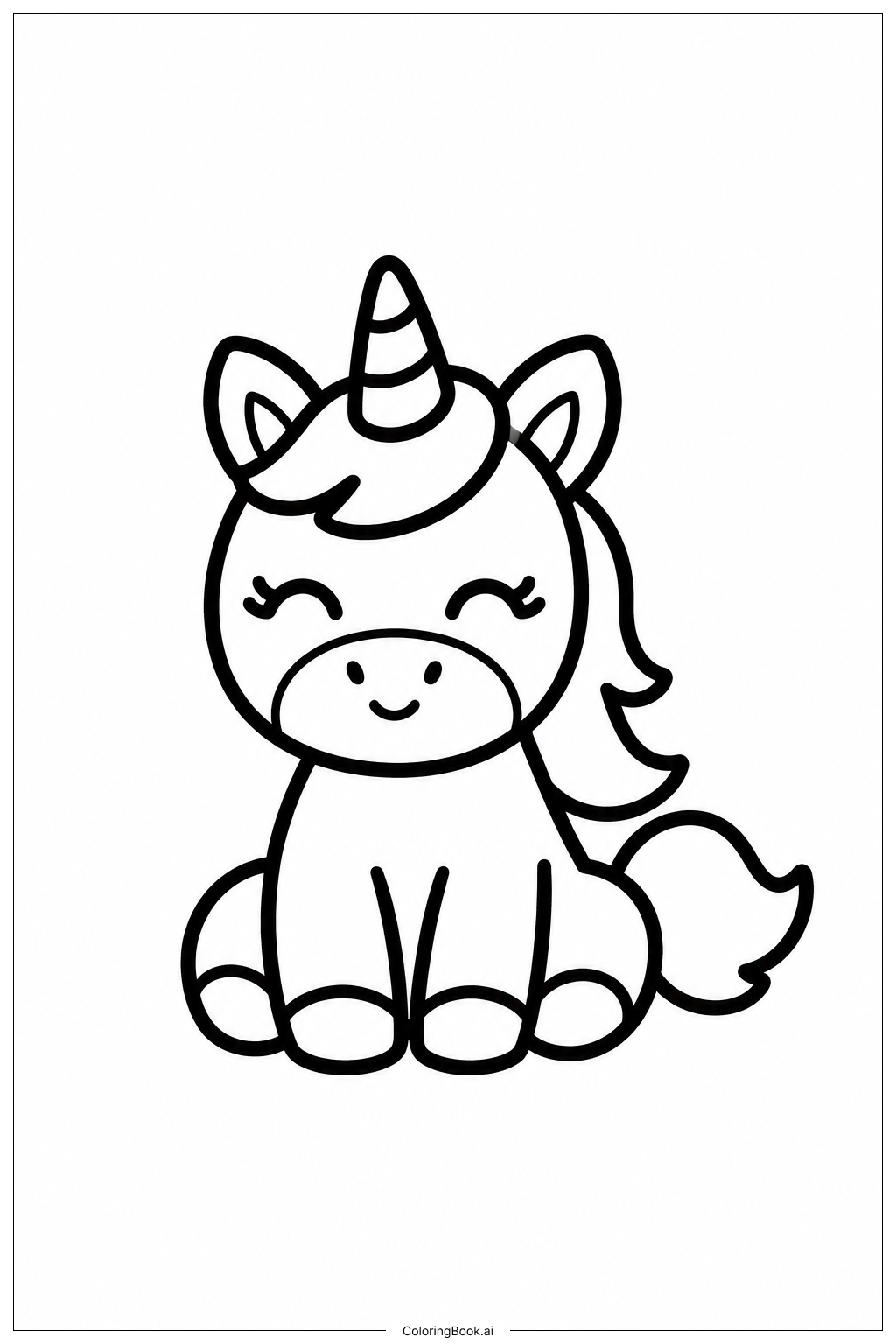
Coloring tips: How to color Baby Unicorn Sitting coloring page well?
Start with the horn by using soft pastels like light pink, lavender, or pale yellow to create a magical glow. For the mane and tail, try blending rainbow colors or use shades of purple, pink, and blue for a dreamy effect. The body can be colored in classic white or cream, or get creative with pastel shades like baby pink, mint green, or soft lilac. Add rosy cheeks with light pink to bring warmth to the face. The eyes can be colored with bright blue, emerald green, or warm brown, adding white highlights to make them sparkle. Consider adding shimmer or glitter effects if you have metallic markers or gel pens. For a cohesive look, choose a color family and use different shades throughout the design. Don't forget to blend colors gently where the mane meets the body for a smooth transition.
Coloring challenges: Which parts are difficult to color and need attention for Baby Unicorn Sitting coloring page?
• Horn Spiral Details: The unicorn's horn features a spiral pattern that requires steady hand control and careful attention to maintain consistent coloring within the narrow grooves. Young children may find it challenging to stay within these tight spaces without the colors bleeding into adjacent areas.
• Mane Flow and Layers: The flowing mane consists of multiple overlapping strands that create depth and movement. Distinguishing between these layers while maintaining color consistency or creating a smooth gradient effect requires patience and planning, especially when attempting rainbow or ombre effects.
• Small Facial Features: The eyes, nostrils, and mouth are relatively small details that demand precision. Coloring the eyes with multiple shades to add depth and highlights, while keeping the surrounding areas clean, can be tricky for younger artists or those still developing fine motor skills.
• Body Contours and Shading: Adding dimension to the unicorn's rounded body through shading techniques requires understanding of light sources and color blending. Creating realistic shadows under the belly, around the legs, and where the tail meets the body adds complexity beyond simple flat coloring.
• Tail Volume and Texture: The full, flowing tail presents a challenge similar to the mane, with multiple strands requiring either uniform coloring or creative blending to suggest movement and texture without the sections appearing disconnected or choppy.
Benefits of coloring books: Advantages of drawing Baby Unicorn Sitting coloring page
Coloring this baby unicorn helps children develop fine motor skills and hand-eye coordination, especially when working on detailed areas like the horn, eyes, and flowing mane. The various sections encourage focus and concentration, helping young artists practice staying within lines and controlling their coloring tools. This activity promotes color recognition and experimentation, as children decide which hues work well together for a magical effect. The whimsical subject matter sparks imagination and creativity, allowing kids to express their artistic vision through unique color combinations. Completing this coloring page provides a sense of accomplishment and boosts confidence. The calming, repetitive nature of coloring can reduce stress and anxiety while improving patience. For older children and adults, adding shading and blending techniques offers opportunities to practice more advanced artistic skills. This activity also provides screen-free entertainment that encourages mindfulness and relaxation.