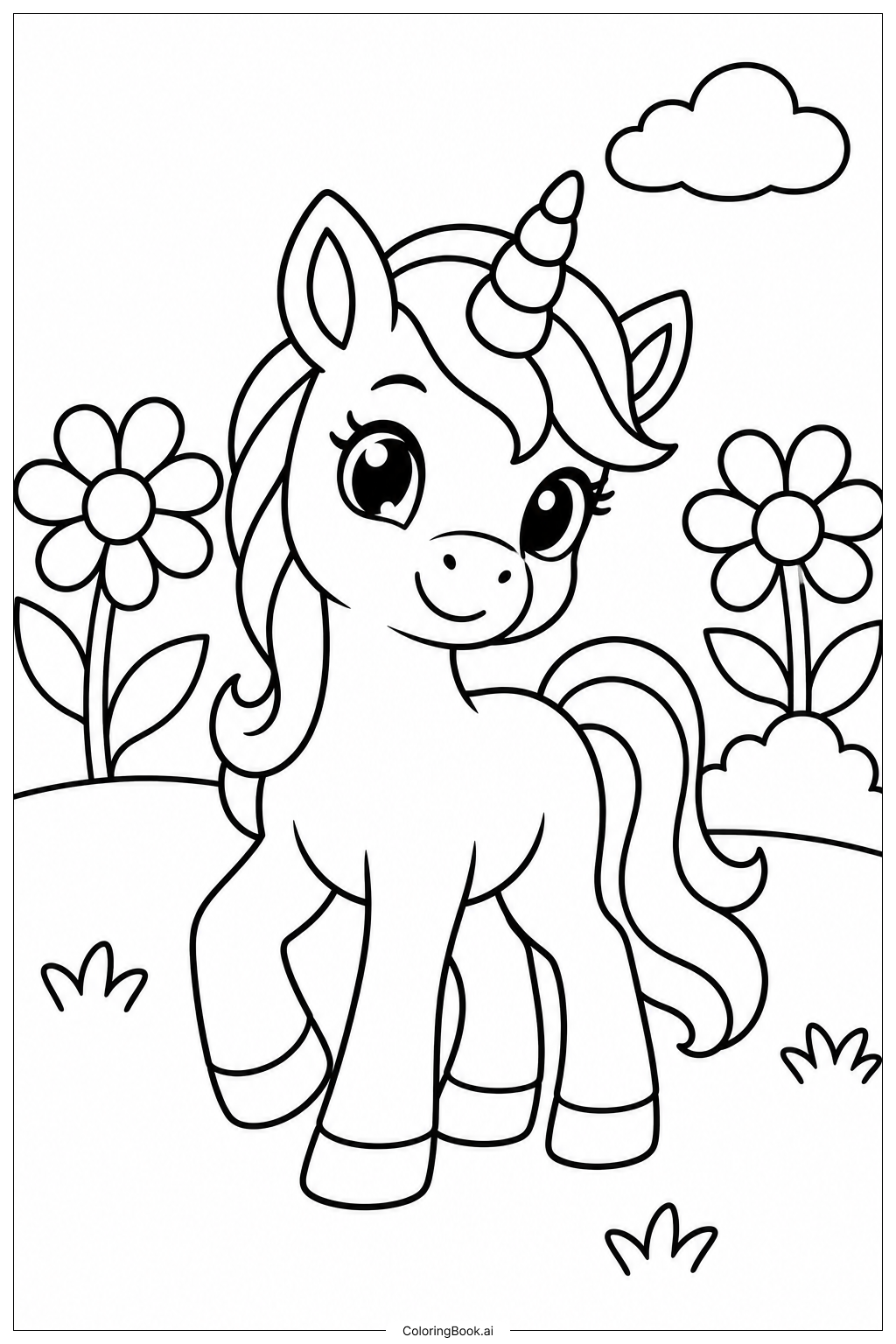
Coloring tips: How to color Baby Unicorn In A Meadow coloring page well?
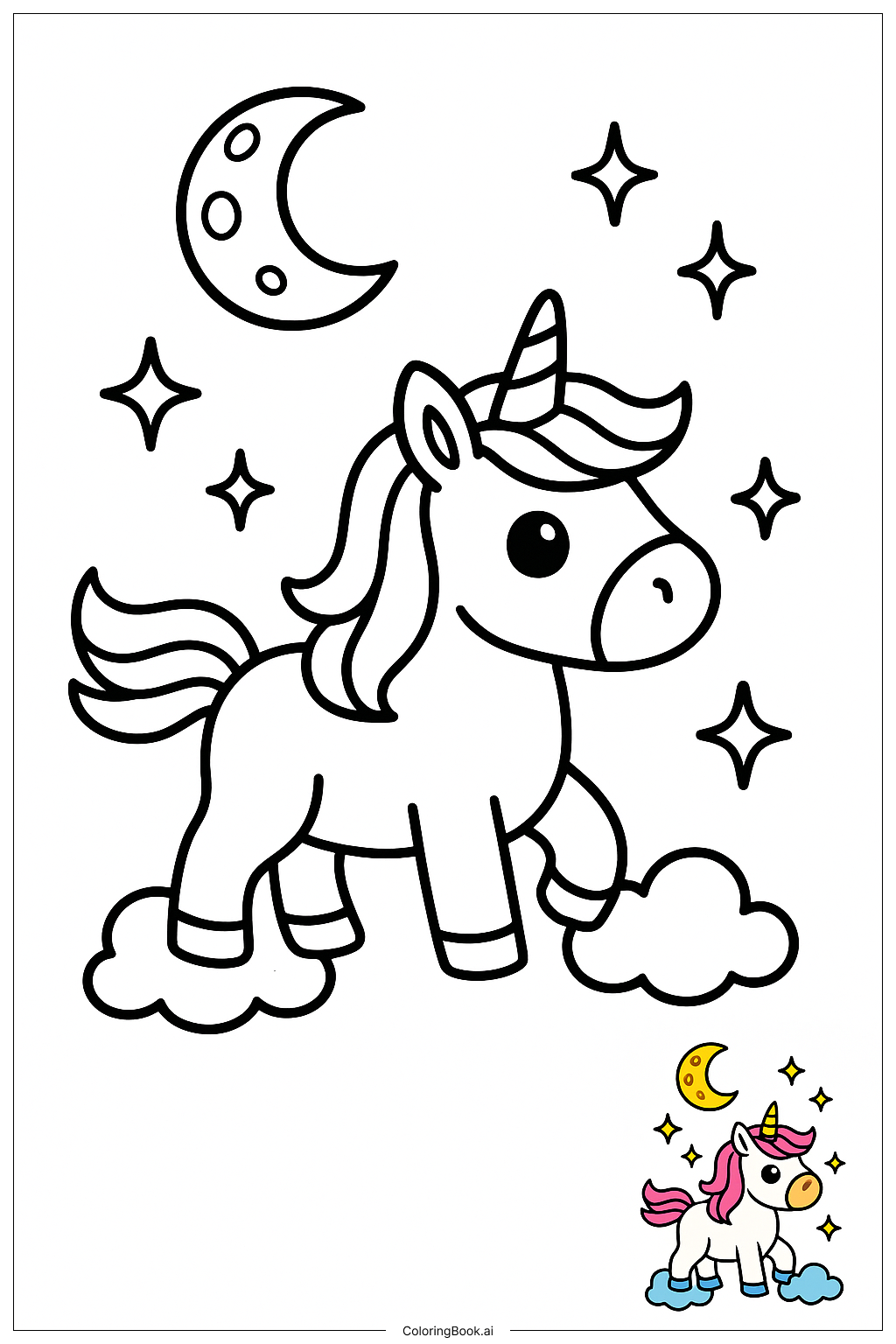
For the baby unicorn, try soft pastel shades like lavender, pale pink, or mint green for the body to create a magical, dreamy effect. The mane and tail can feature rainbow gradients or stick to complementary colors like purple and blue with hints of pink. Make the horn sparkle with golden yellow or shimmering silver. For the meadow, use various shades of green for the grass, creating depth by mixing light spring greens with deeper forest tones. Color the wildflowers in cheerful yellows, pinks, purples, and whites to create a vibrant carpet of blooms. The sky can be a gentle blue with fluffy white or pale gray clouds. Add touches of bright colors to the butterflies, perhaps orange and black or blue and yellow patterns. Consider using colored pencils for soft blending or markers for bolder, more vibrant results.
Coloring challenges: Which parts are difficult to color and need attention for Baby Unicorn In A Meadow coloring page?
• Mane and Tail Flow: The flowing curves of the mane and tail present a challenge for color blending and direction. Young colorists need to follow the natural wave patterns while maintaining consistent color intensity. Creating gradient effects or rainbow transitions requires careful planning and smooth color transitions between sections, which demands patience and a steady hand to avoid muddy color mixing.
• Flower Details and Variety: The meadow contains multiple types of flowers at different sizes and distances, requiring attention to scale and detail. Smaller flowers in the background need delicate coloring without going outside the lines, while larger foreground flowers offer opportunities for shading and dimension. Coordinating a natural-looking color scheme across many blooms without making them look repetitive challenges planning skills.
• Body Shading and Dimension: Adding depth to the unicorn's rounded body requires understanding where light would naturally fall. The curved surfaces of the legs, belly, and face need subtle shading to appear three-dimensional rather than flat. This involves using lighter tones on raised areas and darker shades in recessed parts, a concept that may be new to younger artists.
• Background Integration: Balancing the coloring intensity between the unicorn and its meadow environment ensures the main subject stands out while keeping the scene cohesive. The grass texture requires varied green tones to avoid monotony, and the sky needs gentle blending to look natural rather than streaky or patchy.
Benefits of coloring books: Advantages of drawing Baby Unicorn In A Meadow coloring page
Coloring this baby unicorn scene offers wonderful developmental benefits for children. The combination of a central character with environmental details helps improve focus and attention span as they work through different sections of the image. The varied elements from large areas like the unicorn's body to tiny flower petals enhance fine motor control and hand-eye coordination. Planning a color scheme teaches decision-making and color theory basics, especially when creating harmonious palettes for the magical unicorn and natural meadow. The whimsical subject matter encourages imagination and creative expression, allowing children to interpret the mythical creature in their own unique way. The peaceful meadow setting promotes calm, mindful coloring that can reduce stress and anxiety. Completing this moderately detailed page builds confidence and provides a sense of accomplishment, while the appealing subject matter keeps young artists engaged and motivated throughout the coloring process.