Coloring tips: How to color Baby Unicorn In A Forest coloring page well?
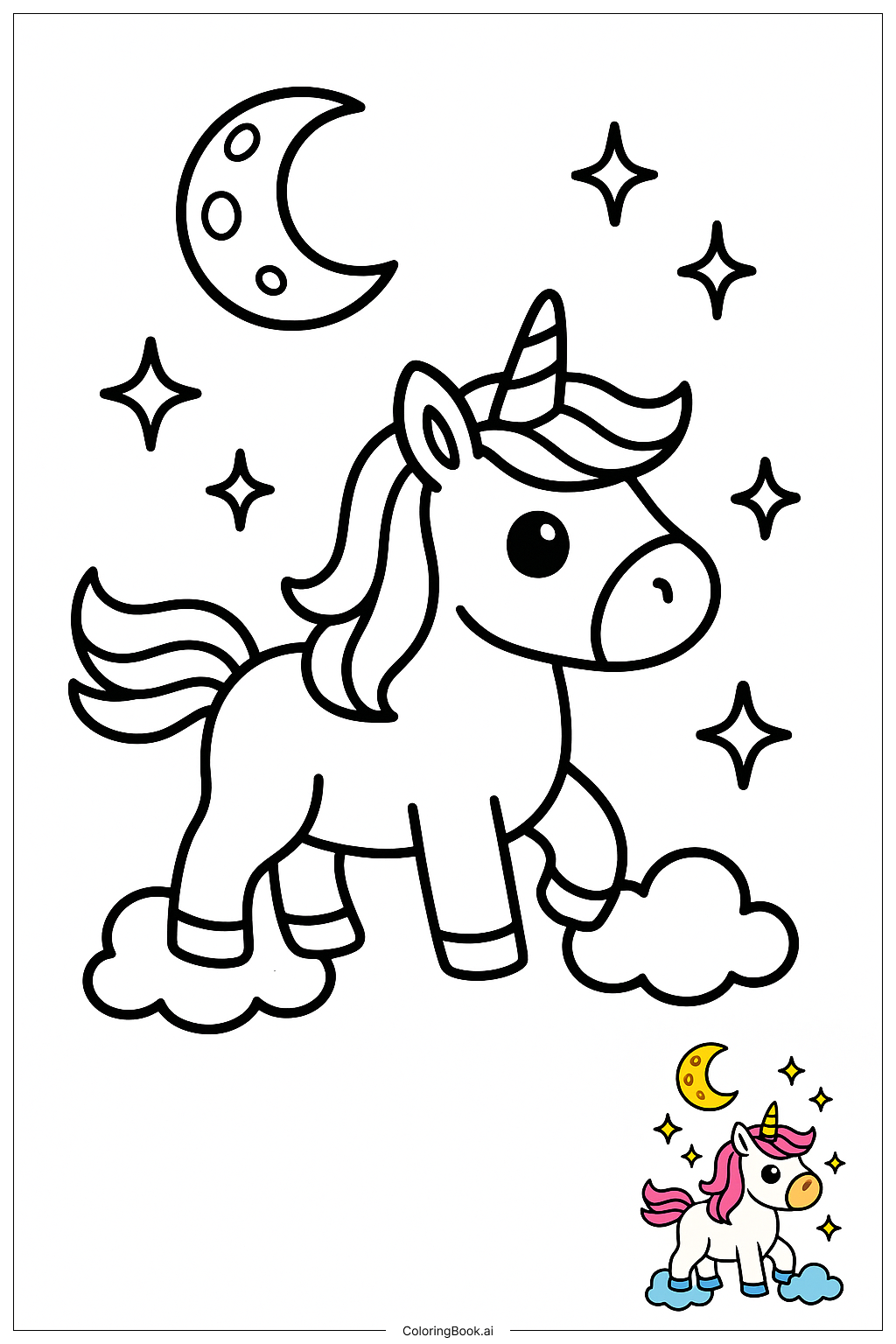
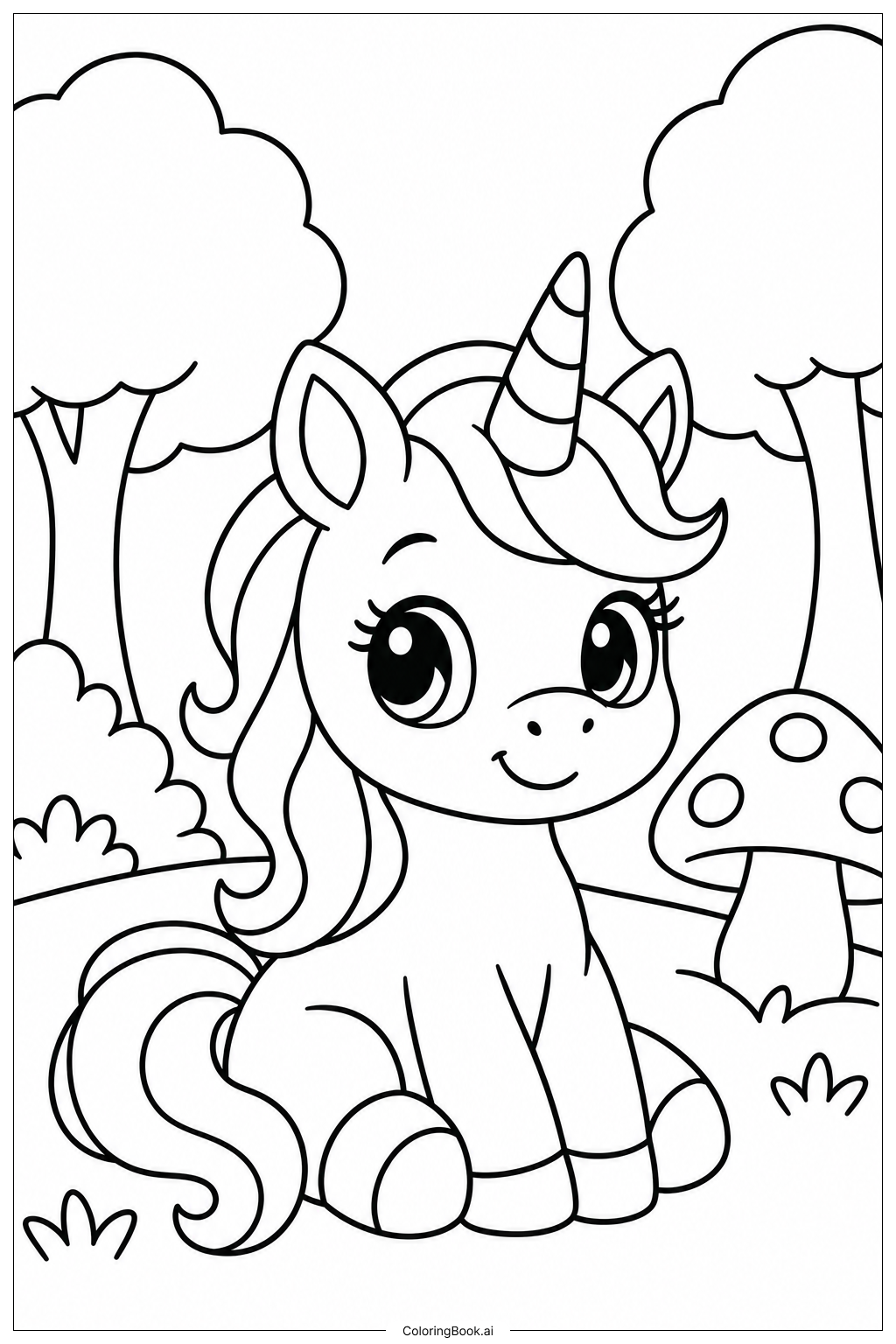
Start with the baby unicorn as your focal point. Try soft pastels like lavender, pink, or mint green for the unicorn's body to create a magical feel. Make the horn golden or rainbow-colored for extra sparkle. Use flowing shades of purple, blue, or pink for the mane and tail. For the forest background, choose various shades of green for the trees and grass to add depth. Brown tones work well for tree trunks and branches. Color the mushrooms with classic red caps and white spots, or get creative with purple, blue, or yellow varieties. Add pops of color to the flowers using bright yellows, pinks, and oranges. Consider using lighter colors in the background and darker, richer tones in the foreground to create dimension. Blend similar colors together for a soft, dreamy effect.
Coloring challenges: Which parts are difficult to color and need attention for Baby Unicorn In A Forest coloring page?
• Small Detailed Areas: The baby unicorn's facial features, including its eyes and nostril, require careful coloring with fine-tipped tools to stay within the lines. The small flowers and mushroom details scattered throughout the forest floor also demand precision and patience, especially for younger children who are still developing fine motor control.
• Layered Forest Elements: The overlapping trees, branches, leaves, and ground vegetation create multiple layers that can be challenging to distinguish and color separately. Deciding which elements are in the foreground versus background requires visual planning, and keeping track of different shades for depth can be complex for beginners.
• Mane and Tail Flow: The flowing strands of the unicorn's mane and tail have curved, ribbon-like sections that can be tricky to color smoothly. Children may find it difficult to follow the directional flow and maintain consistent coloring within these narrow, winding spaces without crossing lines or leaving gaps.
• Texture Variation: The image includes different textures like tree bark, grass blades, mushroom caps, and the unicorn's smooth body. Creating visual distinction between these various surfaces through color choices and techniques requires planning and understanding of how different areas should look, which can be challenging for less experienced colorists.
Benefits of coloring books: Advantages of drawing Baby Unicorn In A Forest coloring page
Coloring this baby unicorn scene helps children develop important fine motor skills and hand-eye coordination, especially when working on the detailed forest elements and small decorative features. The varying sizes of spaces encourage practice with both broad strokes and precise movements. This magical forest theme sparks creativity and imagination, allowing children to experiment with fantasy color combinations and make artistic decisions about their unique color palette. The nature setting provides an opportunity to learn about forest ecosystems and woodland elements while having fun. The calming, whimsical subject matter can help reduce stress and promote relaxation and focus. Completing this detailed coloring page builds patience, concentration, and a sense of accomplishment. The combination of the adorable unicorn character and natural forest elements appeals to children who love both fantasy creatures and nature, making the coloring experience engaging and enjoyable.