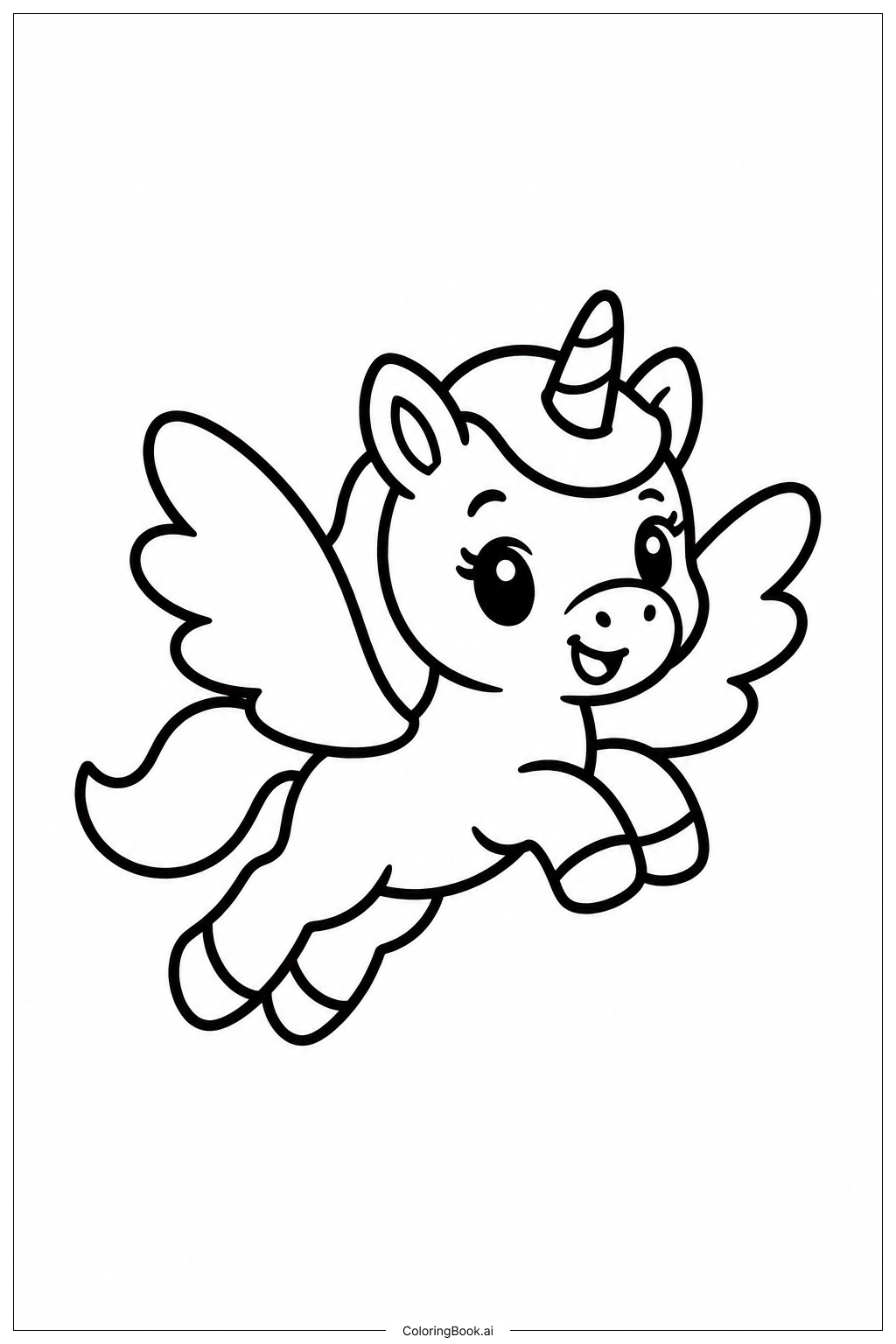
Coloring tips: How to color Baby Unicorn Flying coloring page well?
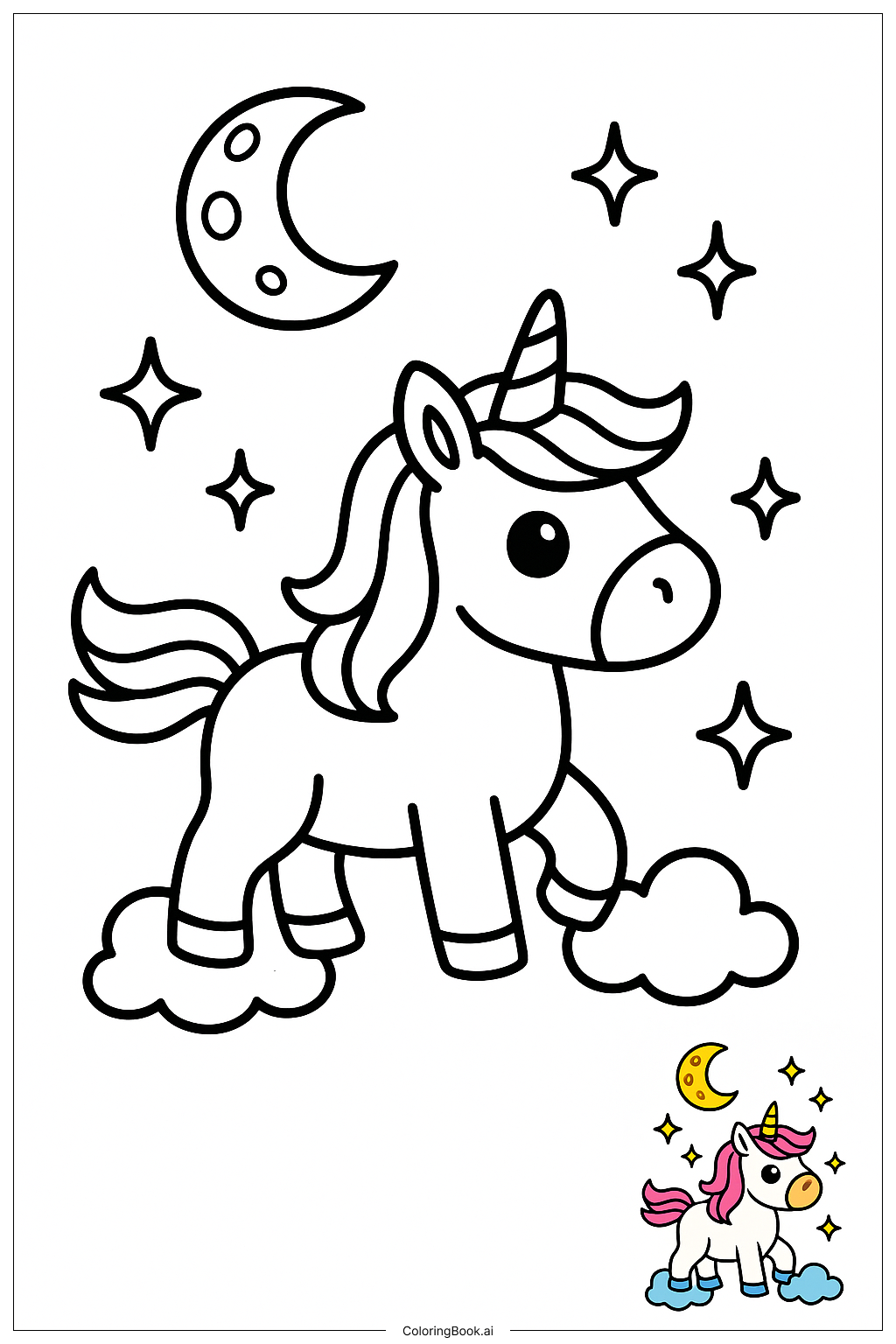
For the baby unicorn's body, try soft pastel shades like lavender, pale pink, mint green, or classic white with subtle shading. The spiraled horn can shimmer in gold, silver, or rainbow gradients for a magical effect. Color the flowing mane and tail with multiple hues—perhaps blend pink, purple, and blue together, or use warm sunset colors like peach, coral, and yellow. The wings offer a wonderful opportunity for creativity: use white or cream for the base feathers with hints of pale blue or pink at the tips, or try an iridescent rainbow effect. Make the clouds soft and fluffy with light blue, gray, or lavender shading to show depth and dimension. Add rosy cheeks and bright, sparkling eyes to bring personality to your unicorn's sweet face. Don't forget to color the sky background in gentle blues or sunset oranges to complete this magical flying scene.
Coloring challenges: Which parts are difficult to color and need attention for Baby Unicorn Flying coloring page?
• Feather Details on Wings: The wings contain multiple individual feathers with defined lines and layered sections. Coloring each feather while maintaining consistent shading and direction requires patience and careful attention. Children may find it challenging to stay within the lines of these smaller sections and to create a natural gradient from the wing base to the tips without the colors bleeding together.
• Flowing Mane and Tail Sections: The mane and tail are divided into multiple flowing ribbons and waves that overlap and curve in different directions. Keeping track of which strand is in front or behind, and maintaining color consistency or intentional variation across these sections, demands spatial awareness and planning. Younger children might struggle with the curved boundaries and the decision of whether to use one color or multiple colors across the flowing hair.
• Cloud Shapes and Shading: While clouds may appear simple, creating realistic depth and fluffiness requires blending techniques and understanding of light and shadow. The rounded, overlapping puffs of the clouds need gentle shading to avoid looking flat. Children might press too hard or use colors that are too dark, making the clouds appear heavy rather than light and airy.
• Spiral Horn Detailing: The unicorn's horn features a distinctive spiral pattern that wraps around from base to tip. Coloring this spiral to create a three-dimensional appearance requires careful color placement and possibly alternating shades or leaving white highlights. Maintaining the spiral's direction and making it look rounded rather than flat can be tricky for less experienced colorists.
Benefits of coloring books: Advantages of drawing Baby Unicorn Flying coloring page
Coloring this baby unicorn flying scene offers wonderful developmental benefits for children. The intricate feather details and flowing mane help improve fine motor skills and hand-eye coordination as young artists carefully navigate small spaces and curved lines. This image encourages creative color choices and imaginative thinking—there are no wrong answers when coloring a magical creature, allowing children to explore color combinations freely. The various elements like wings, clouds, mane, and body provide opportunities to practice blending, shading, and creating texture, building important artistic techniques. Completing this detailed coloring page builds patience, focus, and concentration as children work through each section. The cheerful, whimsical subject matter promotes positive emotions and can be calming and meditative. For unicorn lovers, this activity combines their interests with skill-building, increasing engagement and motivation. The sense of accomplishment when finishing this beautiful flying unicorn boosts confidence and self-esteem, while the magical theme sparks storytelling and imaginative play beyond the coloring activity itself.