Coloring tips: How to color Autumn Maple Leaf coloring page well?
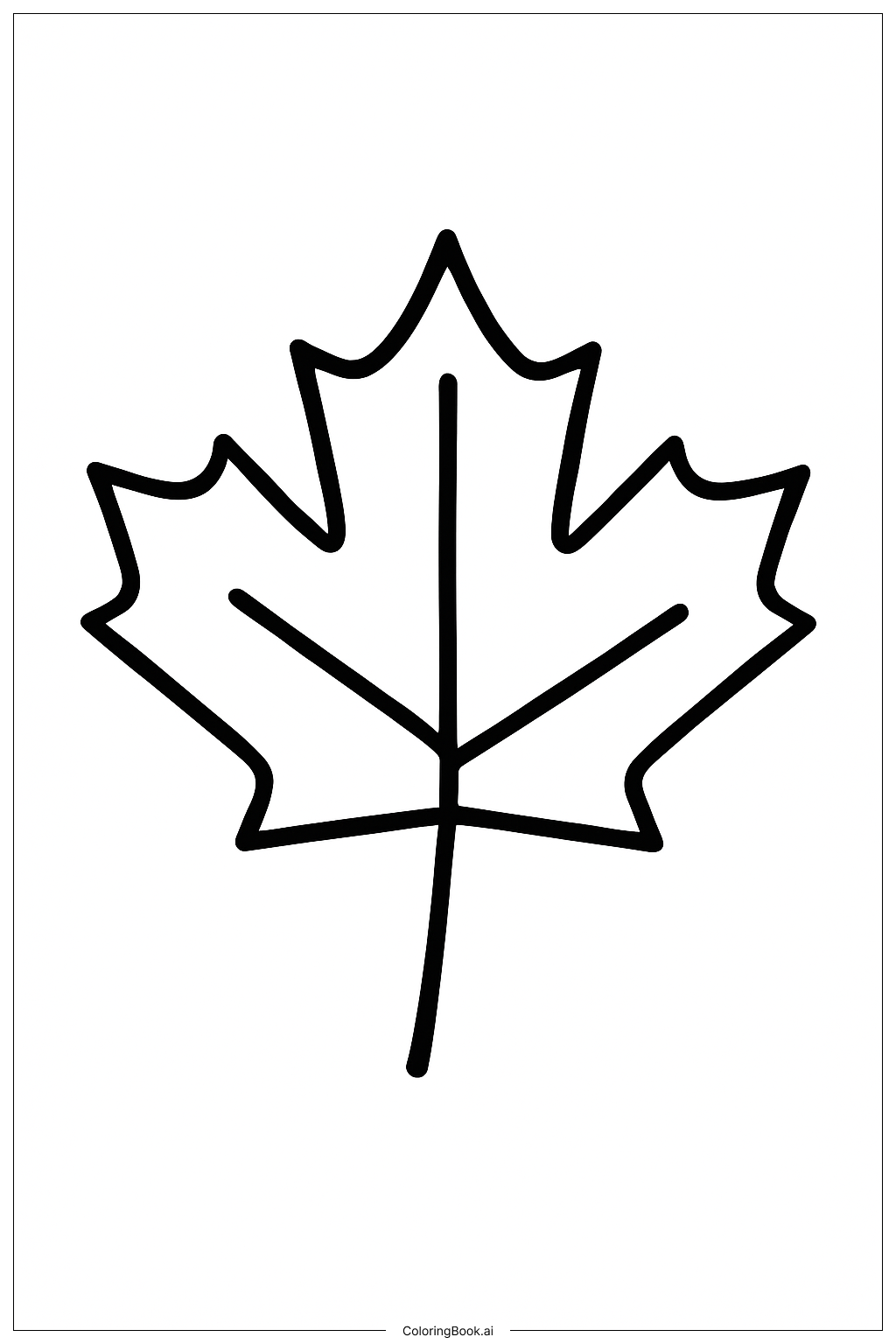
Try using warm colors like red, orange, yellow, and brown to reflect the natural colors of an Autumn maple leaf. You can blend these shades gently to create a smooth transition from one color to another. Consider adding hints of green or gold to give depth and dimension. Use darker tones near the veins and edges to make the veins stand out more. You can also experiment with layering colors lightly to mimic the real changing textures of a leaf in Autumn. Bright and bold colors will make the leaf look lively, while softer shades can give it a gentle, peaceful feel.
Coloring challenges: Which parts are difficult to color and need attention for Autumn Maple Leaf coloring page?
• Fine Veins: The many small veins in the leaf require careful coloring to avoid going outside the lines, which needs patience and good control. • Detailed Lobes: The pointed lobes of the maple leaf have sharp edges that can be tricky to fill neatly without coloring outside. • Color Blending: Achieving a smooth gradient from reds to yellows and browns takes practice and proper blending techniques. Butter blending can be challenging for beginners. • Layering Colors: Applying multiple layers to create depth without making the paper too wet or uneven requires experience. • Even Coverage: Keeping the color consistent over the large leaf surface, especially avoiding patchiness, can be difficult depending on the coloring tools used.
Benefits of coloring books: Advantages of drawing Autumn Maple Leaf coloring page
Coloring this Autumn Maple Leaf helps develop focus and hand-eye coordination as you carefully fill in small, detailed spaces. It encourages creativity through experimenting with color blending and layering to achieve realistic effects. This activity can be calming and soothing, promoting mindfulness and patience as you engage in repetitive, deliberate coloring strokes. It also offers an opportunity to appreciate the subtle beauty of nature and learn about the changing seasons. For children and beginners, it builds confidence in coloring skills, while older artists can practice more advanced shading techniques.