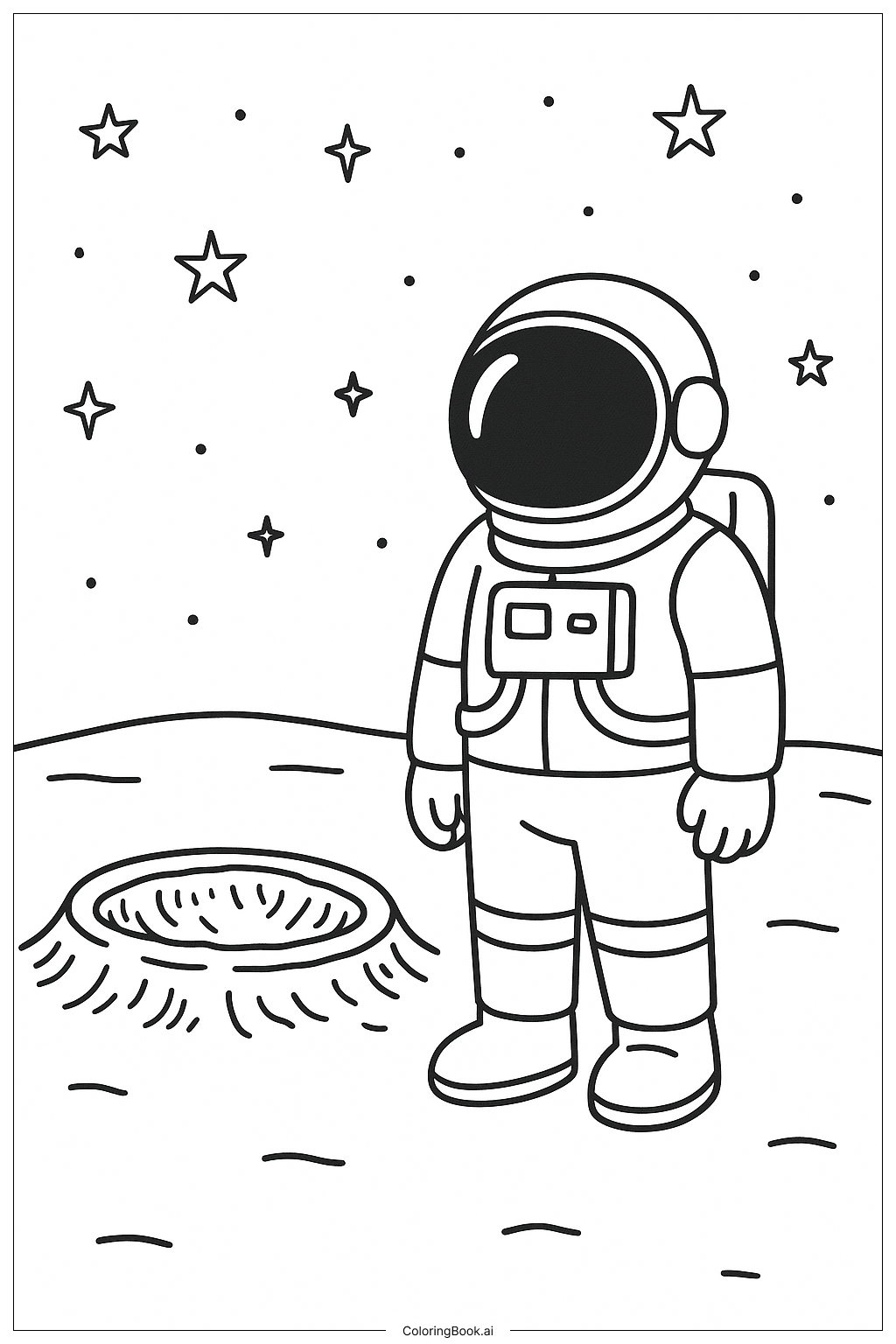
Coloring tips: How to color Astronaut Near Crater coloring page well?
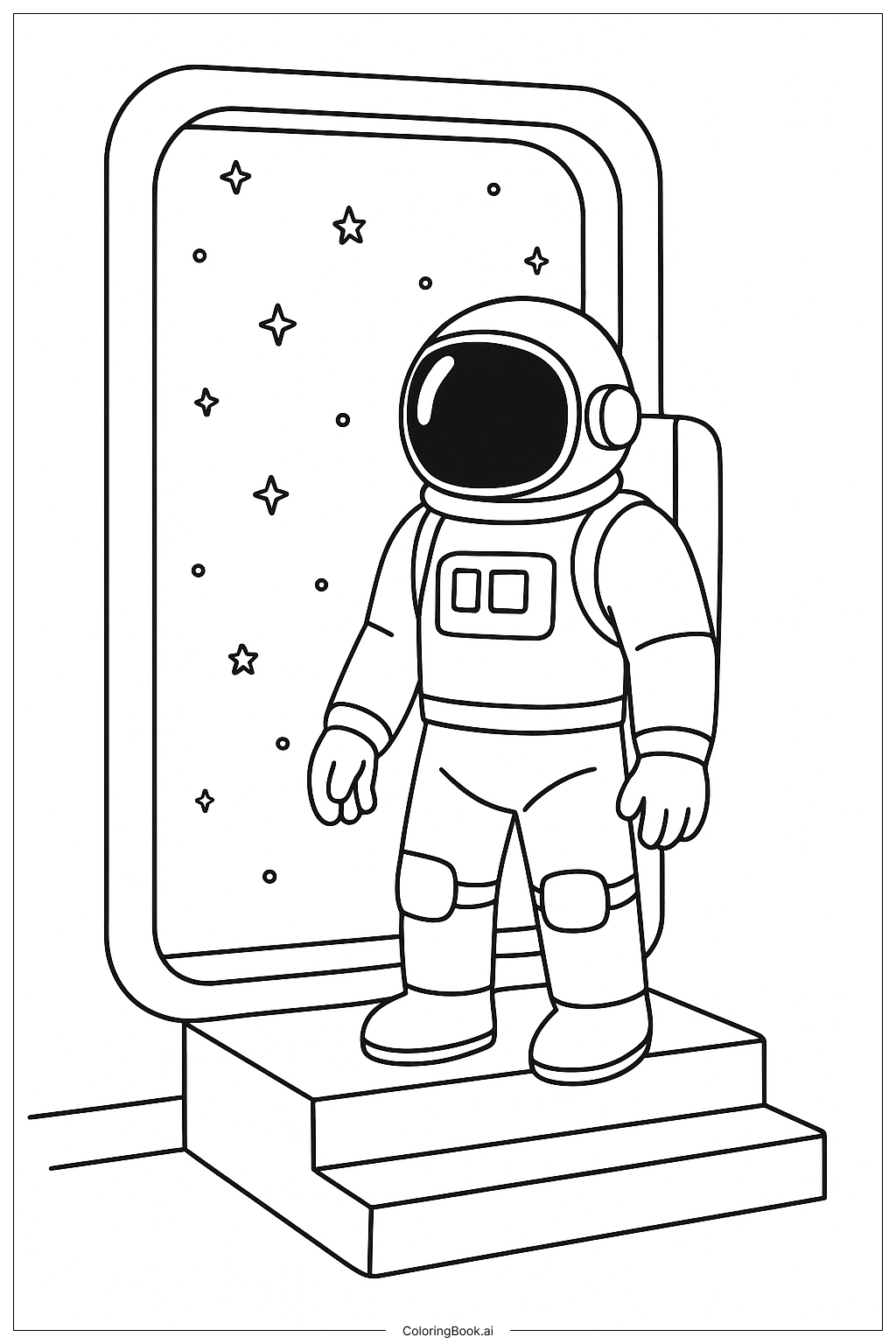
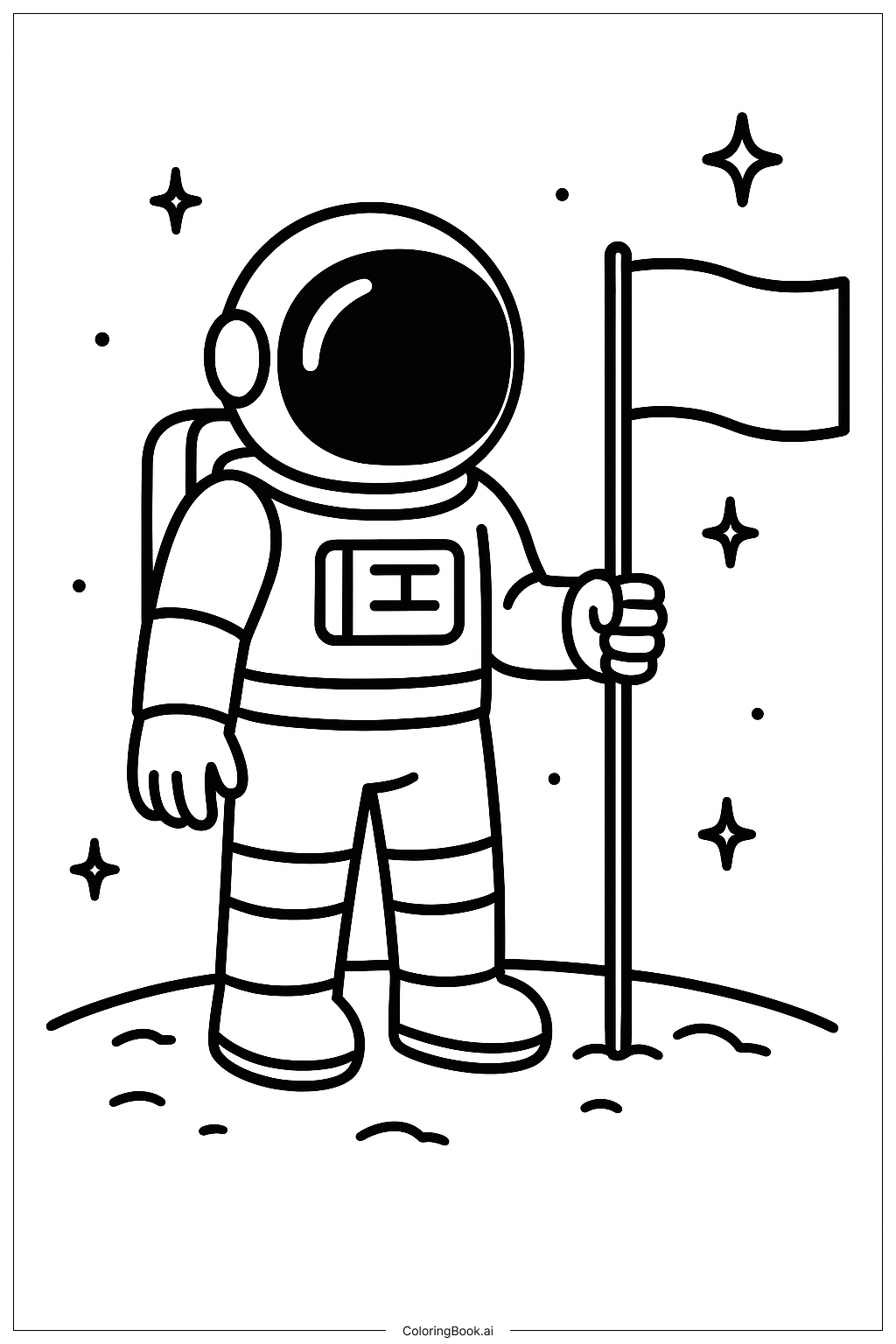
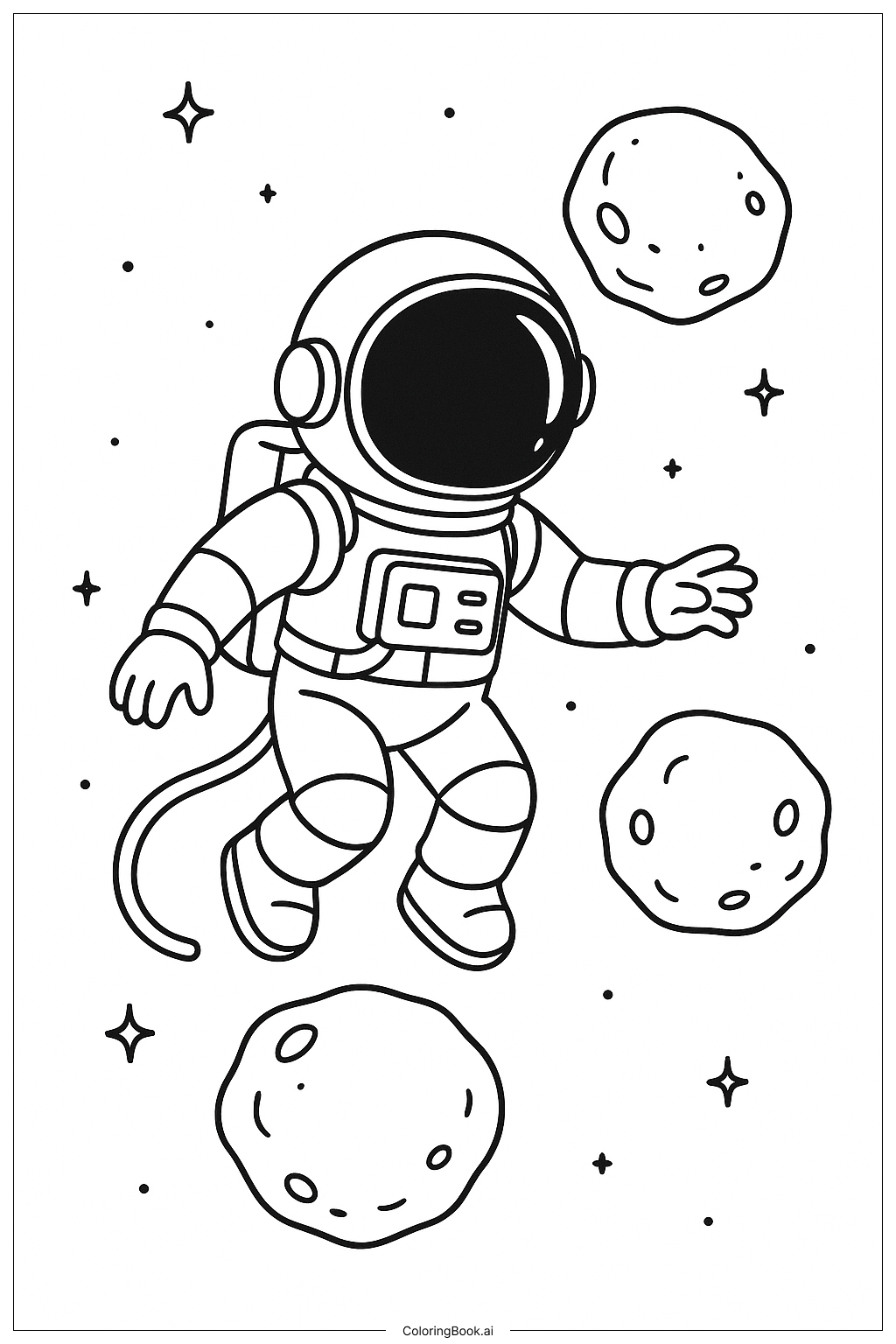
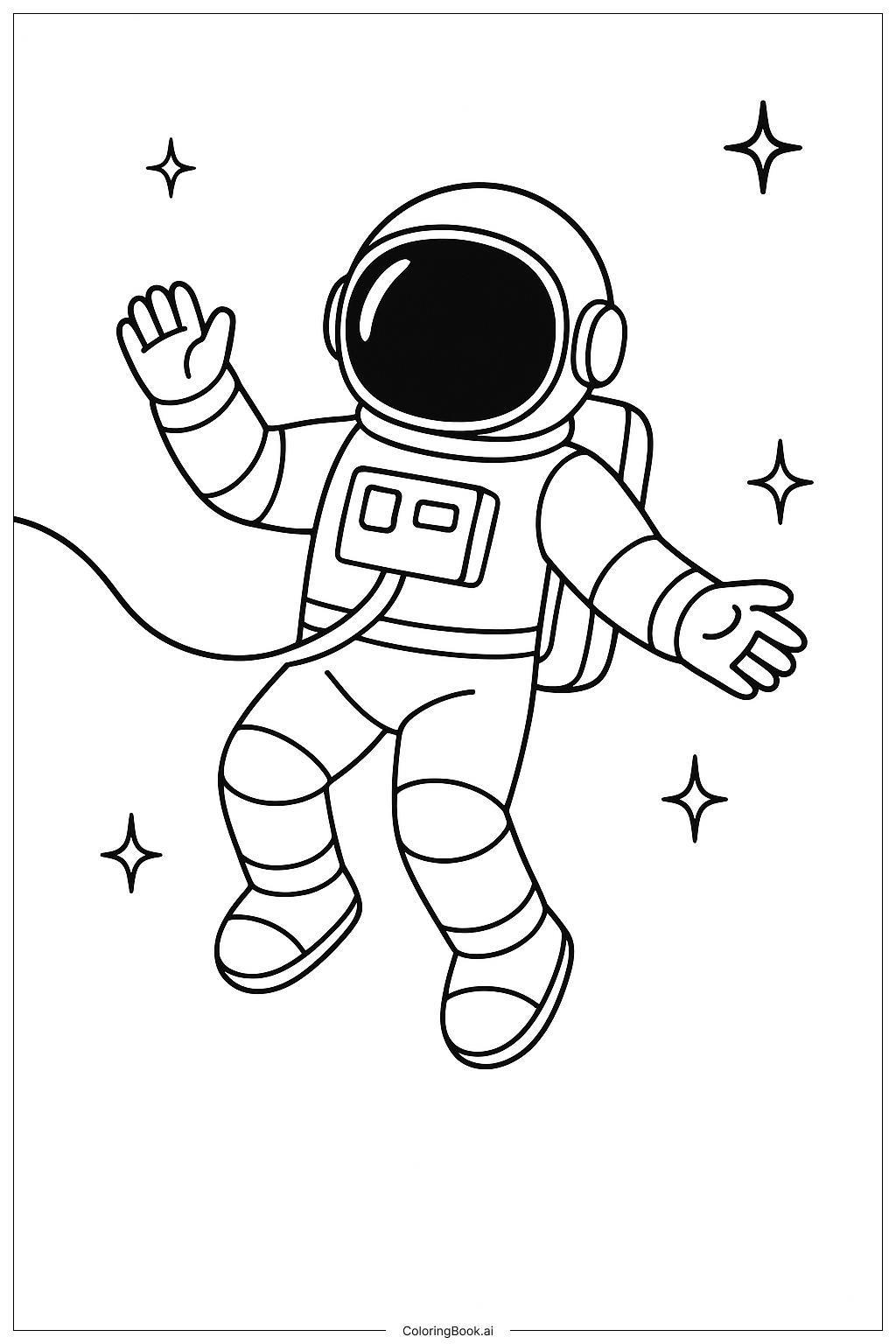
Use light and dark shades of gray or silver to color the astronaut's suit, making it look shiny and real. The helmet visor can be colored black or dark blue with a white highlight to show reflection. For the surface, use colors like soft browns or grays to show moon dust or rocky ground. The stars can be bright yellow or white, and the sky can be colored dark blue or black with some gentle gradient to show space. Use lighter colors inside the crater to give it a sense of depth.
Coloring challenges: Which parts are difficult to color and need attention for Astronaut Near Crater coloring page?
1. Coloring the astronaut's helmet visor requires careful use of dark colors with highlights to show shine and reflection. 2. The small details on the astronaut's suit, like the control panel and gloves, need attention to color inside the lines. 3. The crater has many small lines around it to show texture, which can be tricky to fill evenly. 4. Coloring the stars and sky smoothly to create a night space effect can be challenging. 5. Keeping the astronaut's suit colors consistent and neat without going outside the lines may require concentration.
Benefits of coloring books: Advantages of drawing Astronaut Near Crater coloring page
Coloring this space-themed image helps children learn about astronauts and space exploration in a fun way. It improves their hand-eye coordination and fine motor skills by coloring small details like the astronaut's suit and crater. The task also encourages creativity in choosing colors for the sky, astronaut, and moon surface. It can increase focus and patience as kids work carefully within the lines. Overall, this coloring activity inspires curiosity about space and science.