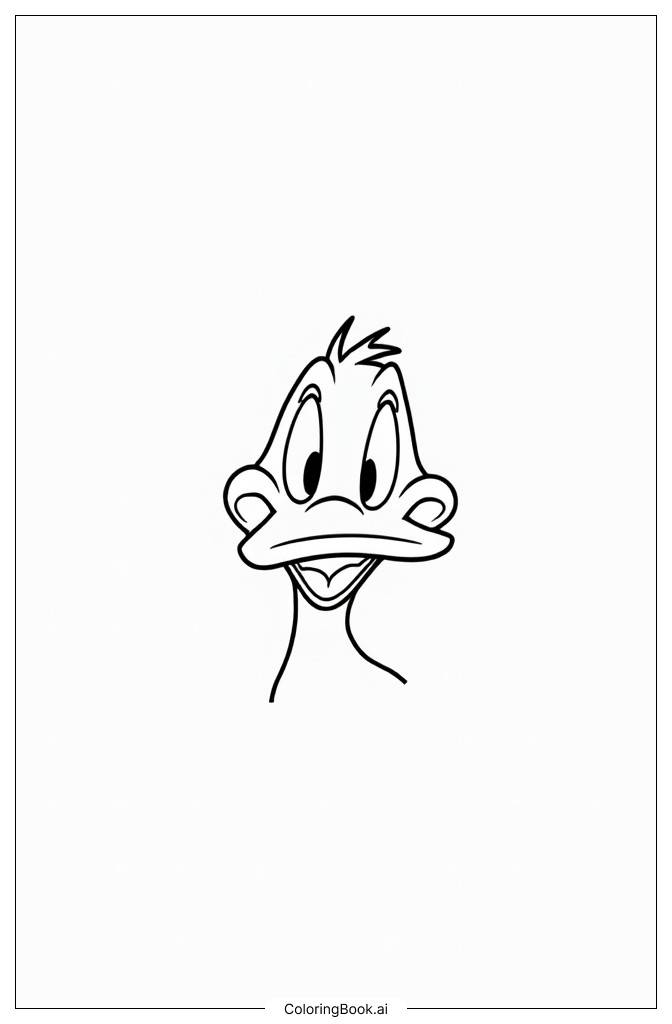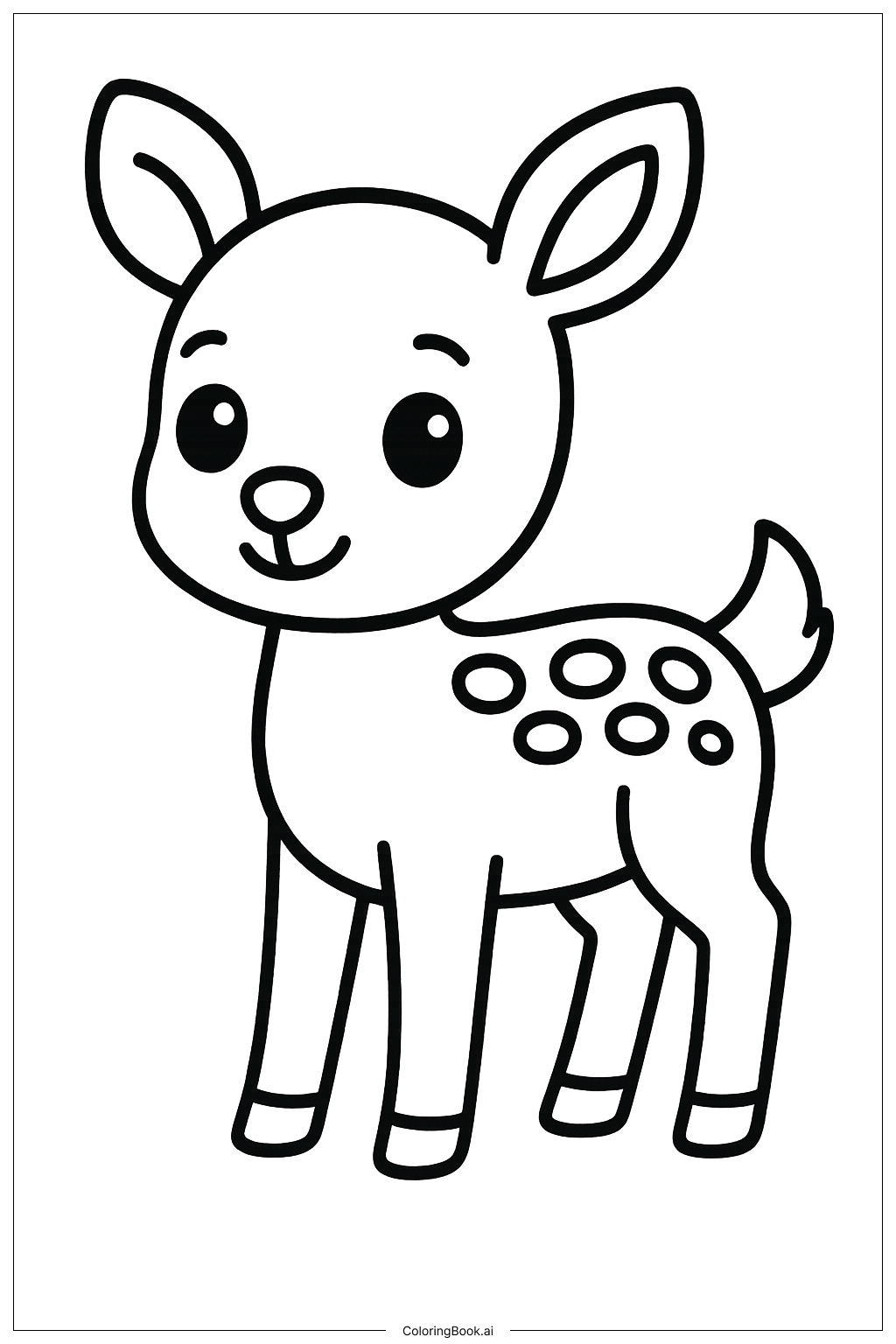
Coloring tips: How to color Puppy Animal Face coloring page well?
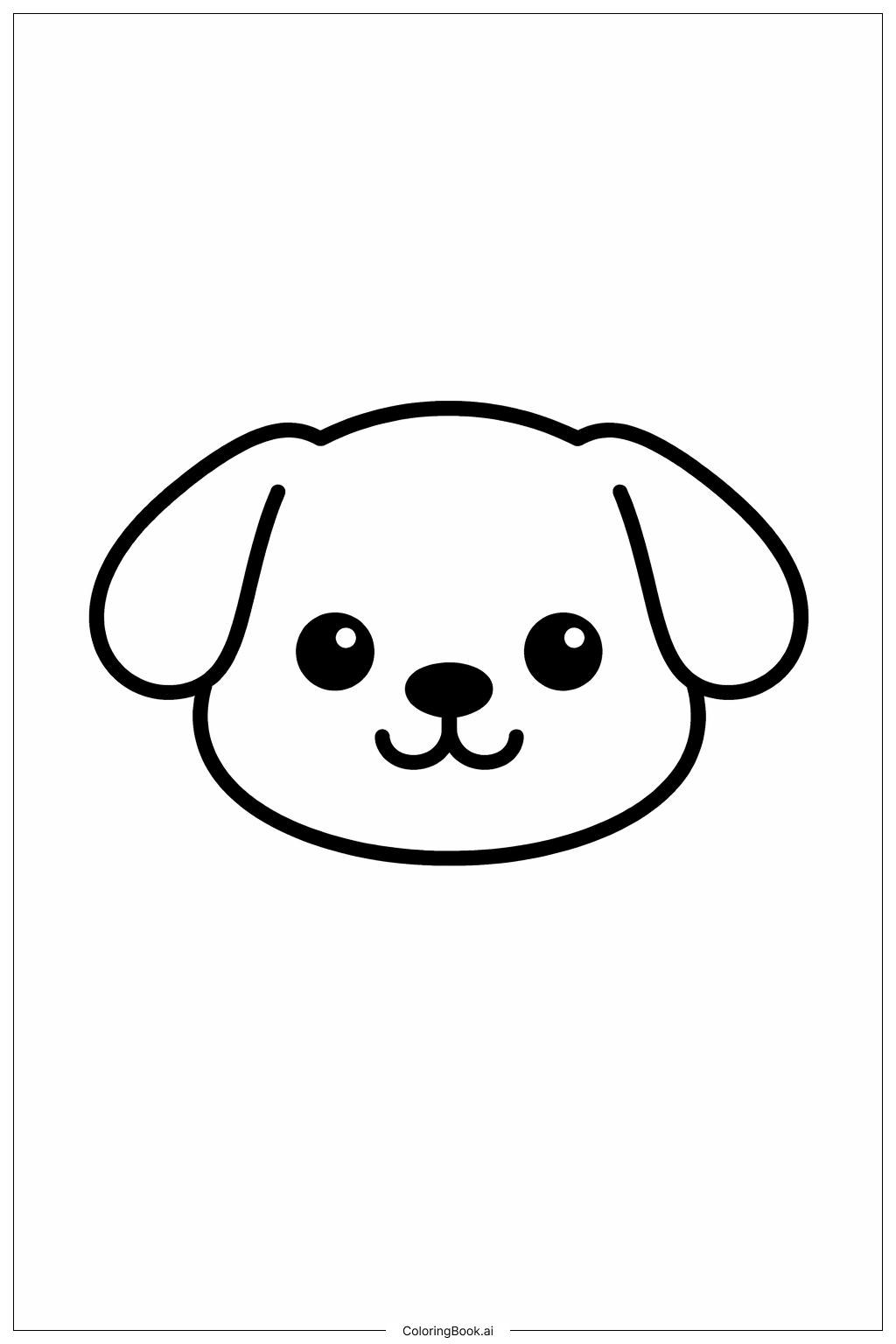
For coloring this puppy face, use light brown, beige, or cream for the main face color. The ears can be a darker brown or a soft gray to add contrast. The nose should be colored black or dark brown. Add some pink or light red to the tongue area if you want to show it. For the eyes, black with small white highlights makes them look shiny and lively. Feel free to add a background of green grass or blue sky to create a scene.
Coloring challenges: Which parts are difficult to color and need attention for Puppy Animal Face coloring page?
1. Staying within the small curved lines of the ears can be tricky for younger children who are still developing fine motor skills. 2. Coloring the eyes neatly requires careful attention to keep the little white spots that create the shine effect. 3. Choosing the right color shades to make the puppy look soft and natural can be challenging, especially blending colors around the face edges. 4. Keeping a consistent color without streaks inside the face area might be hard for beginners. 5. Deciding how to color the nose and mouth clearly without smudging or coloring outside the lines needs some patience.
Benefits of coloring books: Advantages of drawing Puppy Animal Face coloring page
Coloring this puppy face helps children improve their hand-eye coordination and fine motor skills. It also encourages creativity as they decide what colors to use to bring the puppy to life. The simple design allows for easy coloring, making it relaxing and fun. Children can practice focusing on small areas, which builds concentration and patience. Plus, coloring animals can help kids learn about pets and develop a love for nature.