Coloring tips: How to color Lion Cub Animal coloring page well?
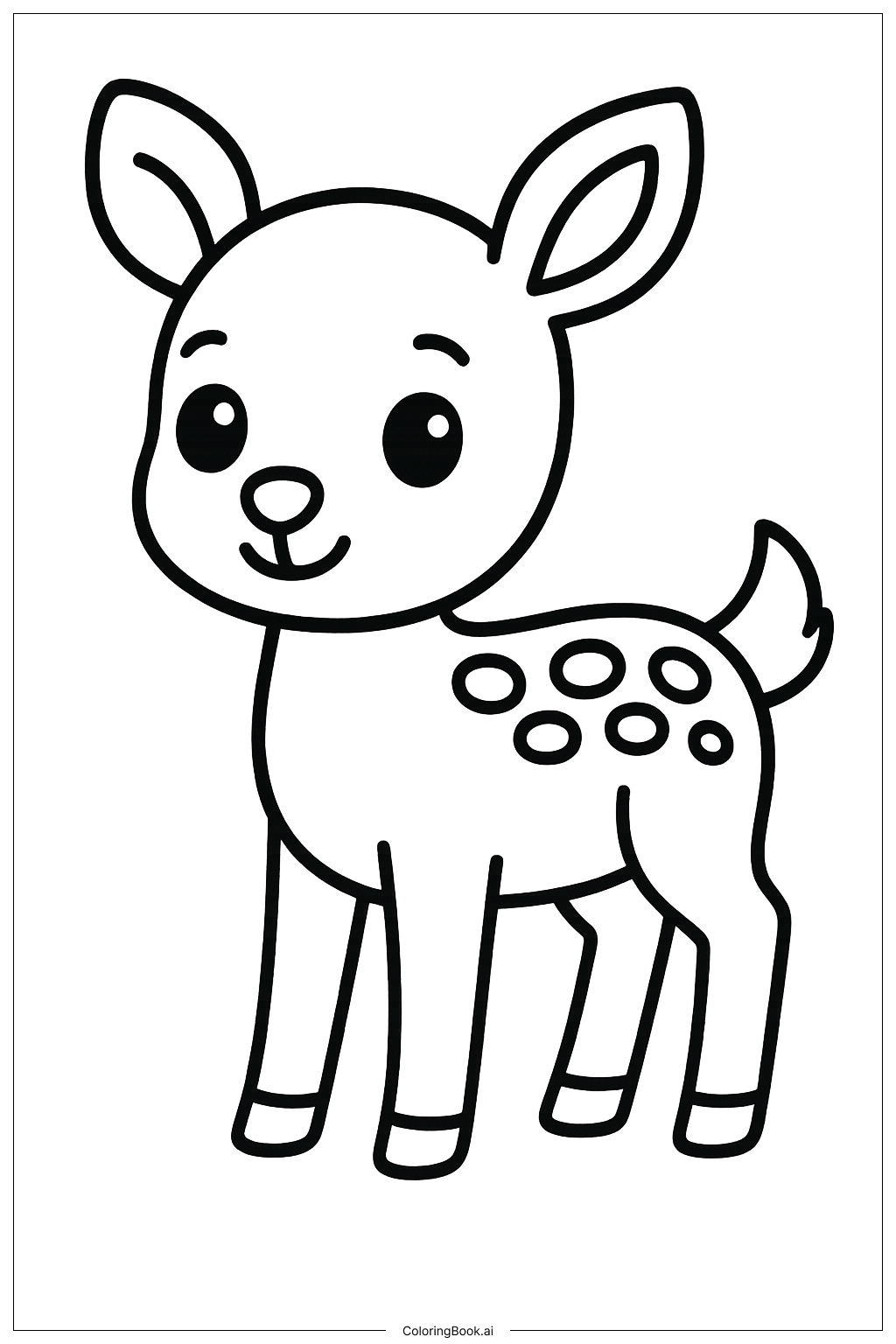
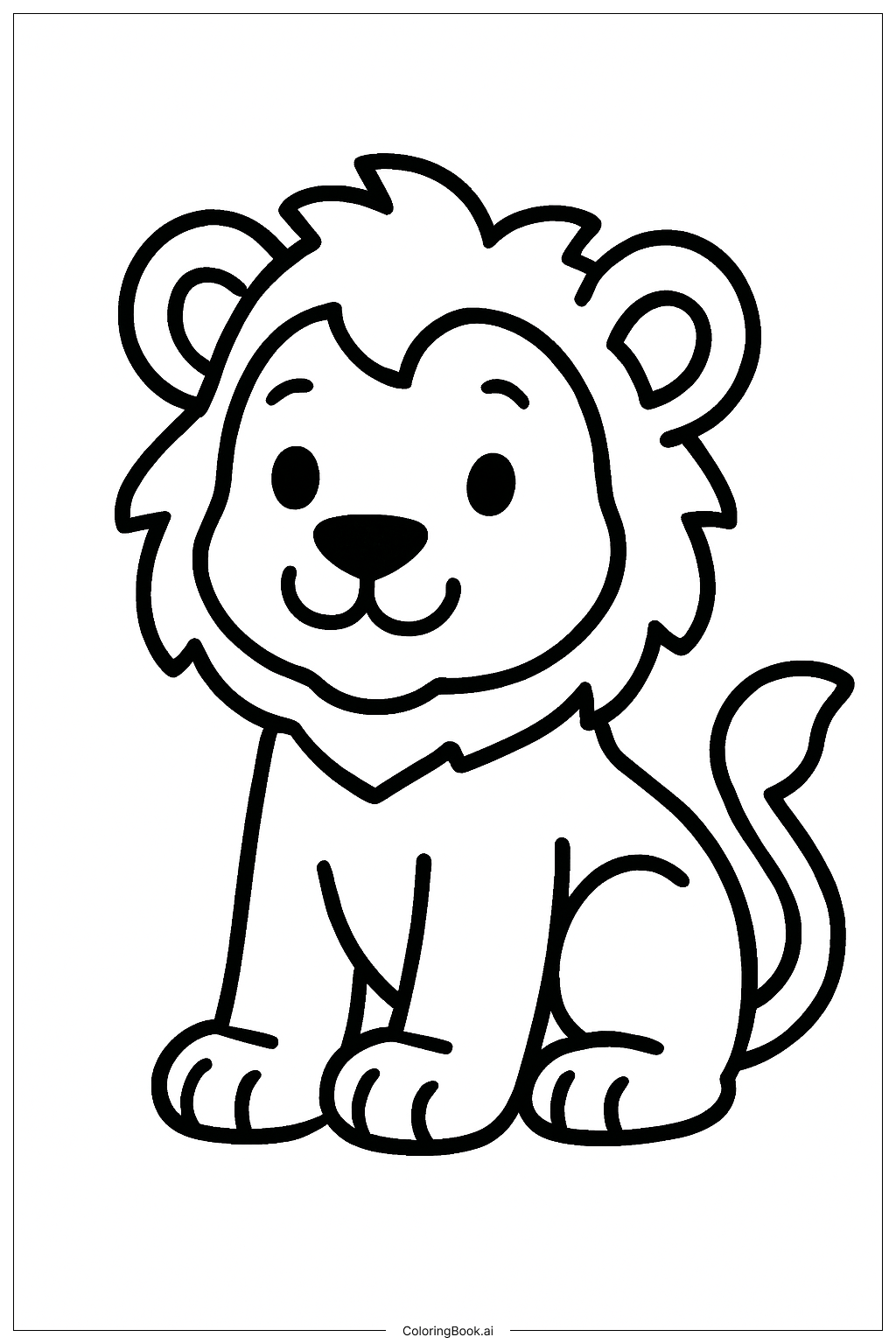
Use warm colors like golden yellow or light brown for the lion cub's body to make it look realistic. For the mane and tail tuft, you can choose a darker shade of brown or orange to add contrast. The nose and eyes should be colored black or dark brown to make them stand out. Consider using light pink or peach for the inside of the ears and the tongue if you want to add extra detail. You can also color the ground or background with green for grass or blue for the sky to create a natural setting for the lion cub.
Coloring challenges: Which parts are difficult to color and need attention for Lion Cub Animal coloring page?
1. Mane Texture: The fluffy mane has many small sections that can be tricky to color evenly. Children need patience to fill in all the tiny spaces without going outside the lines.
2. Small Facial Features: The eyes, nose, and mouth are quite small. Coloring them carefully without overpowering the face may be challenging.
3. Paws Details: The curved lines showing claws on the paws require precision to color them neatly.
4. Tail Shape: The curved tail with a tuft at the end needs attention to keep the color consistent and inside the lines.
5. Avoiding Color Bleeds: Since the lines around different parts are close, young children might accidentally color outside the edges, so they need to work slowly and carefully.
Benefits of coloring books: Advantages of drawing Lion Cub Animal coloring page
Coloring this lion cub helps children improve their fine motor skills as they practice staying inside the lines on small details like the eyes and paws. It encourages creativity by choosing colors for the mane, body, and background. Coloring an animal like a lion cub can also teach kids about wildlife and develop their interest in nature. Additionally, the cute and friendly image can provide a sense of joy and accomplishment once completed, boosting children's confidence in their artistic abilities.