Coloring tips: How to color Fox Animal Sitting coloring page well?
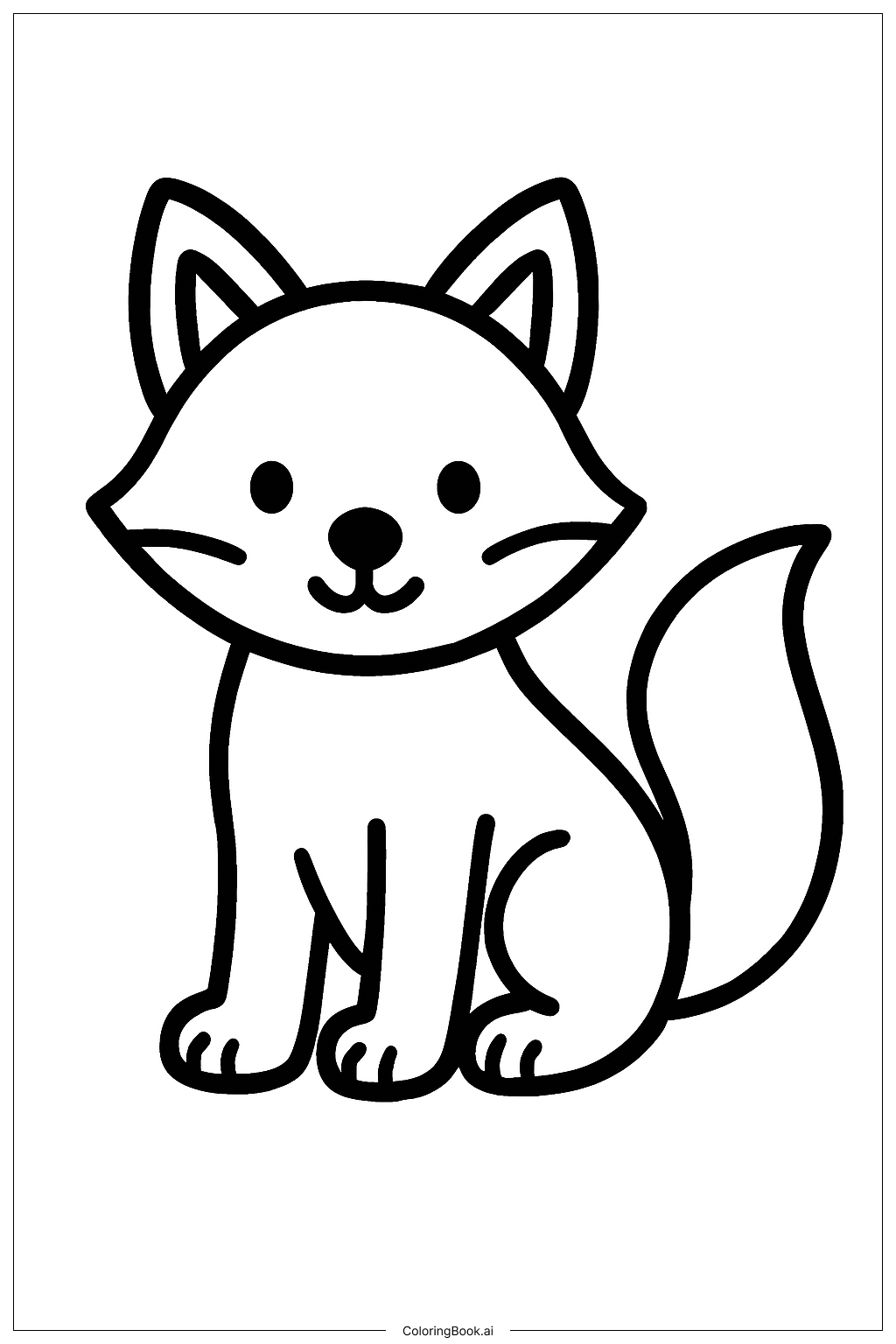
For coloring this fox, you can use bright and warm colors like orange or red for the main body, as foxes usually have these colors. The ears and tail tip can be colored white or light cream to give a real fox look. You can use black or dark brown for the eyes, nose, and paw details. Feel free to add some shading by using darker orange or brown on parts of the body that are less exposed to light, like under the chin and the back. To make it more creative, you can add green or blue colors around the fox to create grass or sky. Use crayons, markers, or colored pencils to add vibrant colors and have fun experimenting!
Coloring challenges: Which parts are difficult to color and need attention for Fox Animal Sitting coloring page?
1. Staying inside the lines can be tricky since the fox’s ears and tail have curved edges. It requires careful coloring and staying steady.
2. Adding shading or blending colors to create depth needs some skill and patience. It might be difficult for younger kids to do this evenly.
3. Coloring small details like the eyes, nose, and paw marks need fine motor control and attention to detail.
4. Choosing the right colors to make the fox look natural yet vibrant can be confusing without guidance.
5. Filling big areas like the body evenly might be hard without leaving white spots or streaks, especially with crayons or markers.
Benefits of coloring books: Advantages of drawing Fox Animal Sitting coloring page
Coloring this fox helps children improve their hand-eye coordination and fine motor skills as they try to color inside the lines. It also encourages creativity by letting kids choose different colors and patterns. The simple design helps kids focus without feeling overwhelmed, making it great for building confidence. Coloring animals like a fox also teaches kids about nature and wildlife. It can be relaxing and fun, helping children improve their concentration and patience as they work on completing the picture.