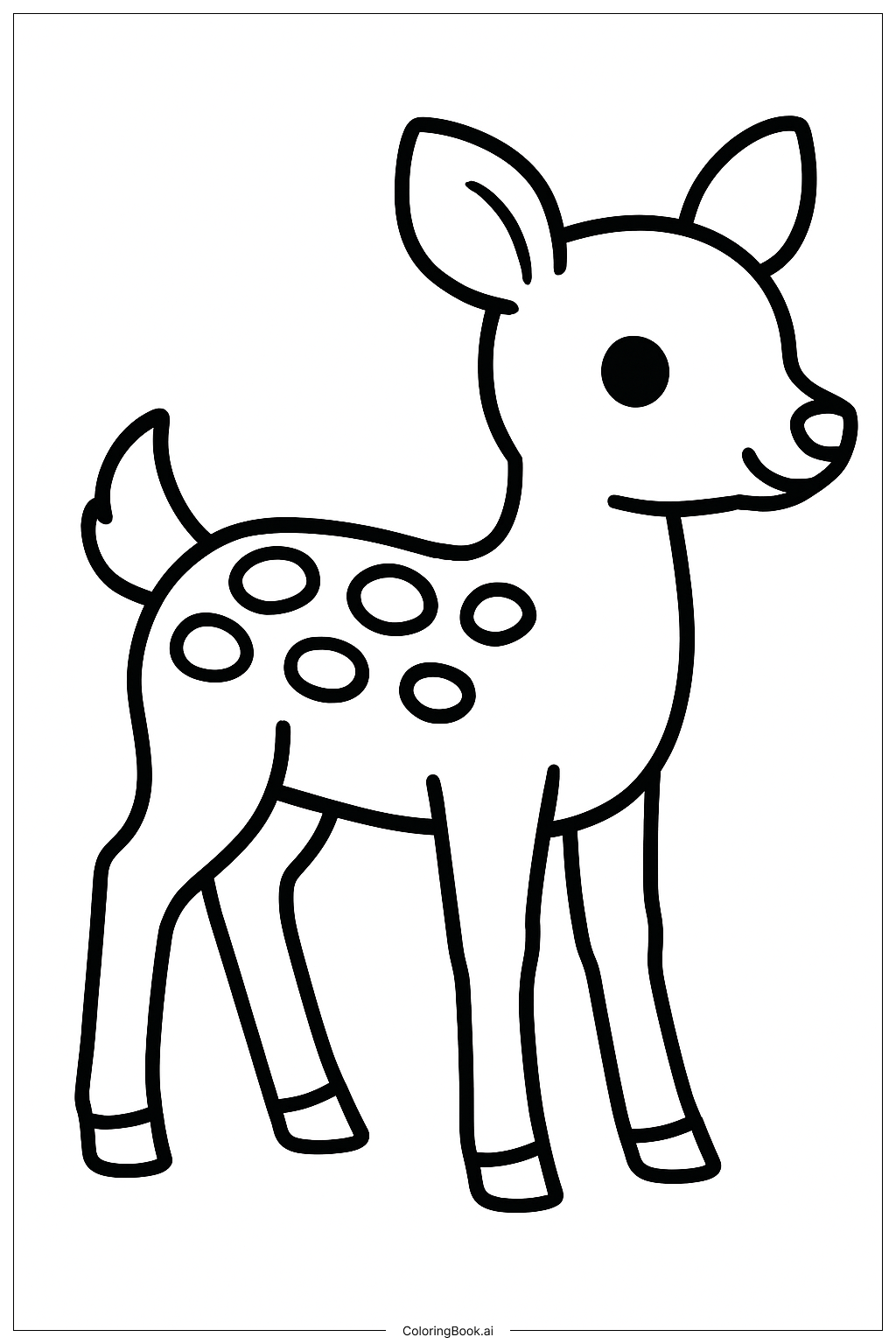
Coloring tips: How to color Deer Animal Fawn coloring page well?
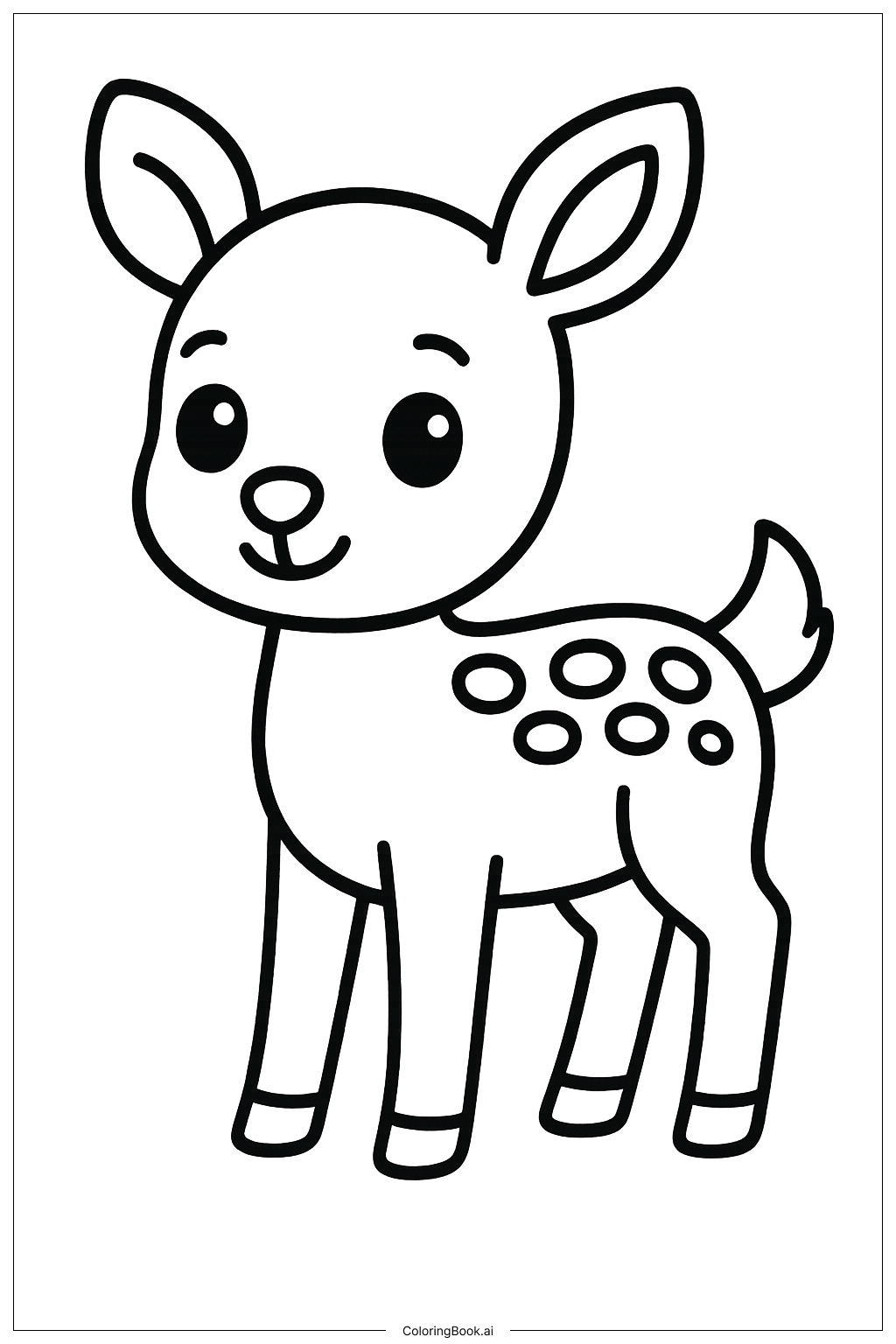
For this image, choose soft and warm colors to bring the fawn to life. Use light brown or tan for the main body, and add creamy white or pale yellow for the spots on its fur. The nose and inside of ears can be colored a soft pink or light gray. The grass and leaves around the fawn can be colored in different greens to create a fresh, natural feel. For the background, you might use light blues or soft yellows to represent sunlight filtering through trees. Try blending different shades of brown or green to add depth and make the scene look more three-dimensional and lively.
Coloring challenges: Which parts are difficult to color and need attention for Deer Animal Fawn coloring page?
• Fine Spot Details: The small spots on the fawn’s fur require careful coloring. Filling them precisely without going outside the lines can be challenging for younger or less experienced colorers. • Shading the Fur: To make the fawn look more realistic, subtle variations in brown tones are best. This requires blending colors smoothly, which may be difficult for beginners. • Small Facial Features: The eyes, ears, and nose have delicate, tiny areas to color. Staying within these small spaces needs steady hand control. • Background Elements: Coloring the grass and leaves involves overlapping shapes that should have different shades of green to appear natural. Choosing and layering correct green shades can be tricky. • Creating Depth: Adding shading and highlights in a simple coloring page takes attention and practice. Understanding where to make shadows and light spots can challenge colorers trying to achieve a lifelike look.
Benefits of coloring books: Advantages of drawing Deer Animal Fawn coloring page
Coloring this Deer Animal Fawn image helps develop fine motor skills by encouraging careful hand movements around small details like the spots and facial features. It promotes concentration and patience as the colorer carefully fills in the different sections. Choosing and blending colors also enhances creativity and an understanding of natural color patterns found in wildlife. Additionally, working on this calming nature scene can reduce stress and provide a relaxing activity for children and adults alike. It encourages a greater appreciation for animals and nature while giving a rewarding sense of accomplishment once completed.