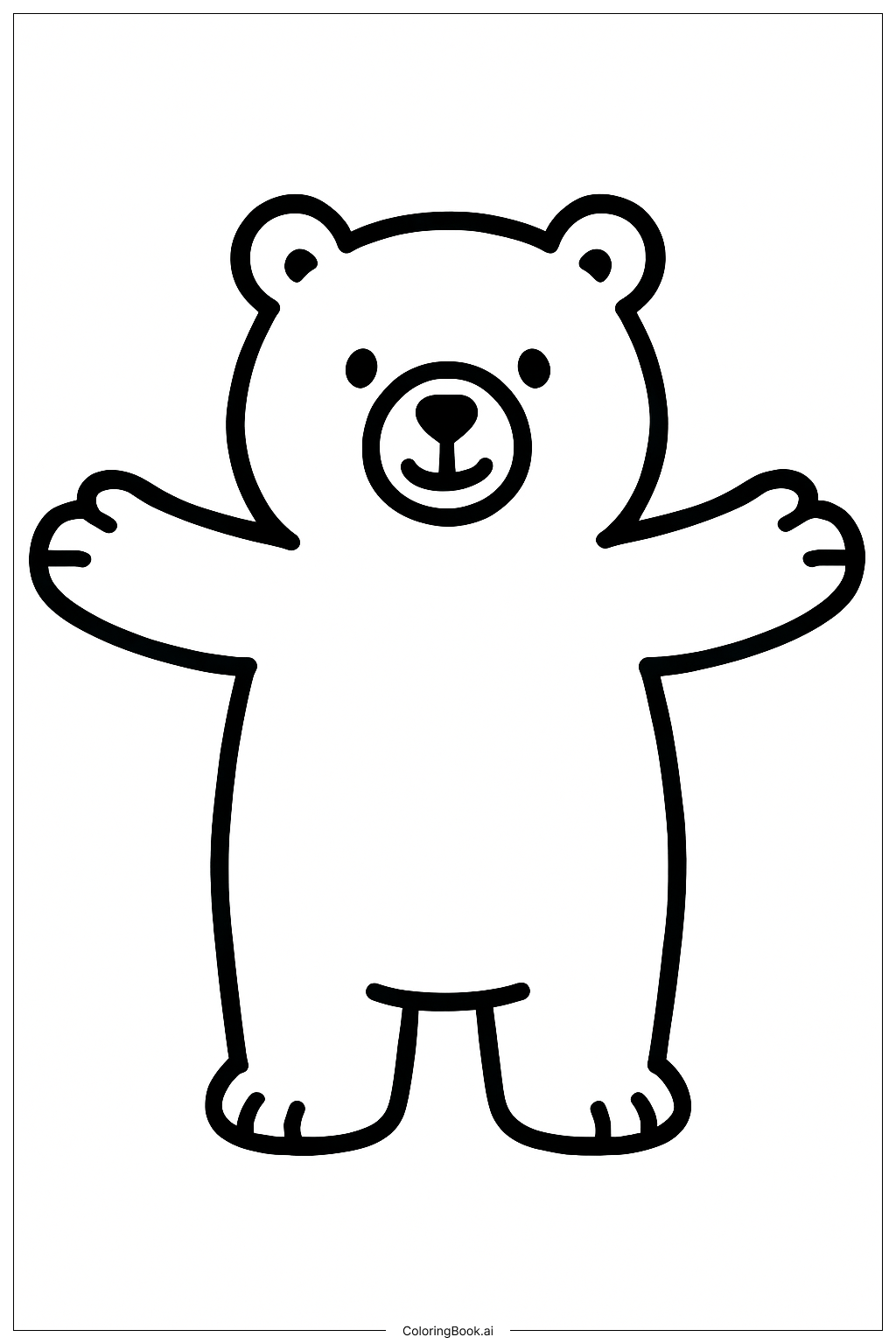
Coloring tips: How to color Bear Animal Hug coloring page well?
Start with the bears' fur using warm, earthy tones. Light brown or honey gold works great for a classic bear look. You can also try darker shades like chestnut or cinnamon to add depth. Use a slightly lighter color on the belly, muzzle, and inner ears to create a natural contrast. For the eyes, use dark brown or black, and add a tiny white dot to make them look shiny and alive. The nose can be colored in dark brown or black. If you want to make the scene feel cozy and sweet, try adding a soft pink blush to the cheeks. You can use colored pencils to blend colors smoothly for a soft, furry effect. Crayons are great for bold and bright coloring, while watercolor pencils can give a dreamy, gentle finish. Feel free to add a background, like green grass, soft clouds, or colorful flowers, to bring the whole scene to life. Most importantly, have fun and make it your own!
Coloring challenges: Which parts are difficult to color and need attention for Bear Animal Hug coloring page?
• Fur Texture Details: The bears' fur is drawn with many small, overlapping lines to suggest a fluffy, textured coat. Coloring these areas evenly without making them look flat or streaky can be tricky. Try using short, light strokes that follow the direction of the fur lines to get a more realistic, soft look.
• Shading and Depth: Creating a sense of three-dimensional shape on the bears' round bodies requires careful shading. The areas where the two bears press against each other, and the inner curves of their limbs, should appear darker. Building up color gradually in these shadow zones while keeping the outer areas lighter helps give the bears a full, rounded appearance.
• Small Facial Features: The eyes, nose, and mouth are small but very important for capturing the bears' gentle expressions. Staying within these tiny outlines without coloring outside the lines takes a steady hand and patience. Using a fine-tipped colored pencil or a thin marker for these features can help achieve clean, precise results.
• Overlapping Paws and Arms: Because the bears are hugging, their arms and paws overlap each other. It can be challenging to keep track of which part belongs to which bear, especially when applying different shades. Take a moment to study the outlines carefully before coloring so each bear's limbs are colored consistently.
• Consistent Color Across Both Bears: Deciding whether both bears should be the same color or different colors is a fun creative choice, but maintaining a consistent tone throughout each bear's body without leaving uneven patches requires careful, patient coloring and good color control.
Benefits of coloring books: Advantages of drawing Bear Animal Hug coloring page
Coloring this Bear Animal Hug page offers many wonderful benefits for children and adults alike. The warm, affectionate scene of two bears hugging encourages feelings of kindness, empathy, and emotional connection. As you choose colors and fill in the details, you practice focus and concentration, which helps build patience and attention span. Working on the fur textures, shading, and small facial features also strengthens fine motor skills, making hands steadier and more precise, which is great for handwriting and other daily tasks. The creative freedom of choosing your own color combinations boosts imagination and self-expression, giving you a sense of personal ownership over your artwork. Completing the page brings a satisfying feeling of accomplishment that builds confidence and self-esteem. For younger children, this kind of activity also supports early learning about colors, shapes, and how to stay within boundaries. For older kids and adults, the gentle, repetitive motion of coloring can be wonderfully calming and stress-relieving, acting as a simple form of mindfulness. Sharing your finished artwork with family or friends can also spark conversations about love, friendship, and caring for others, making this coloring page a meaningful and joyful experience for everyone.