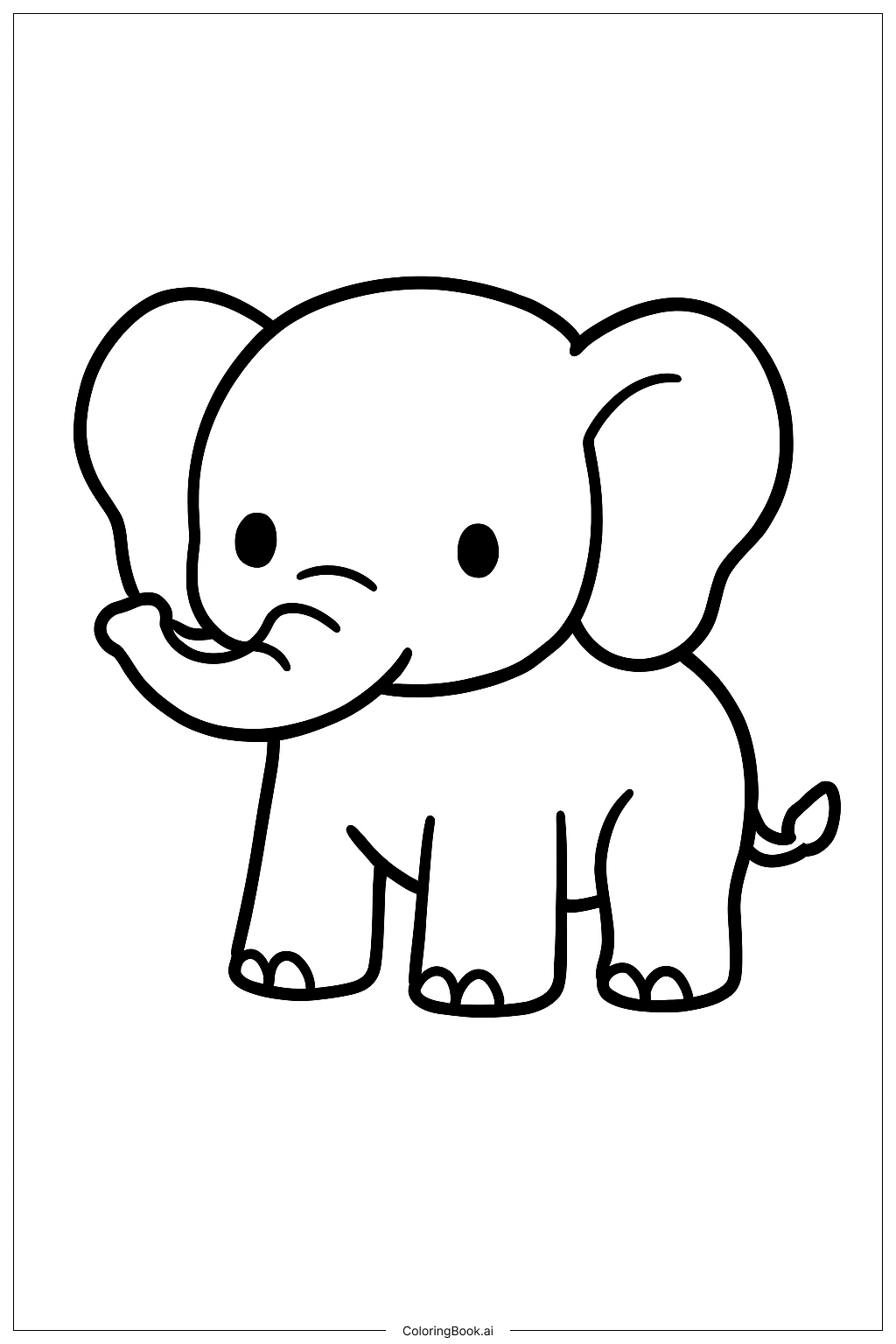
Coloring tips: How to color Baby Animal Elephant coloring page well?
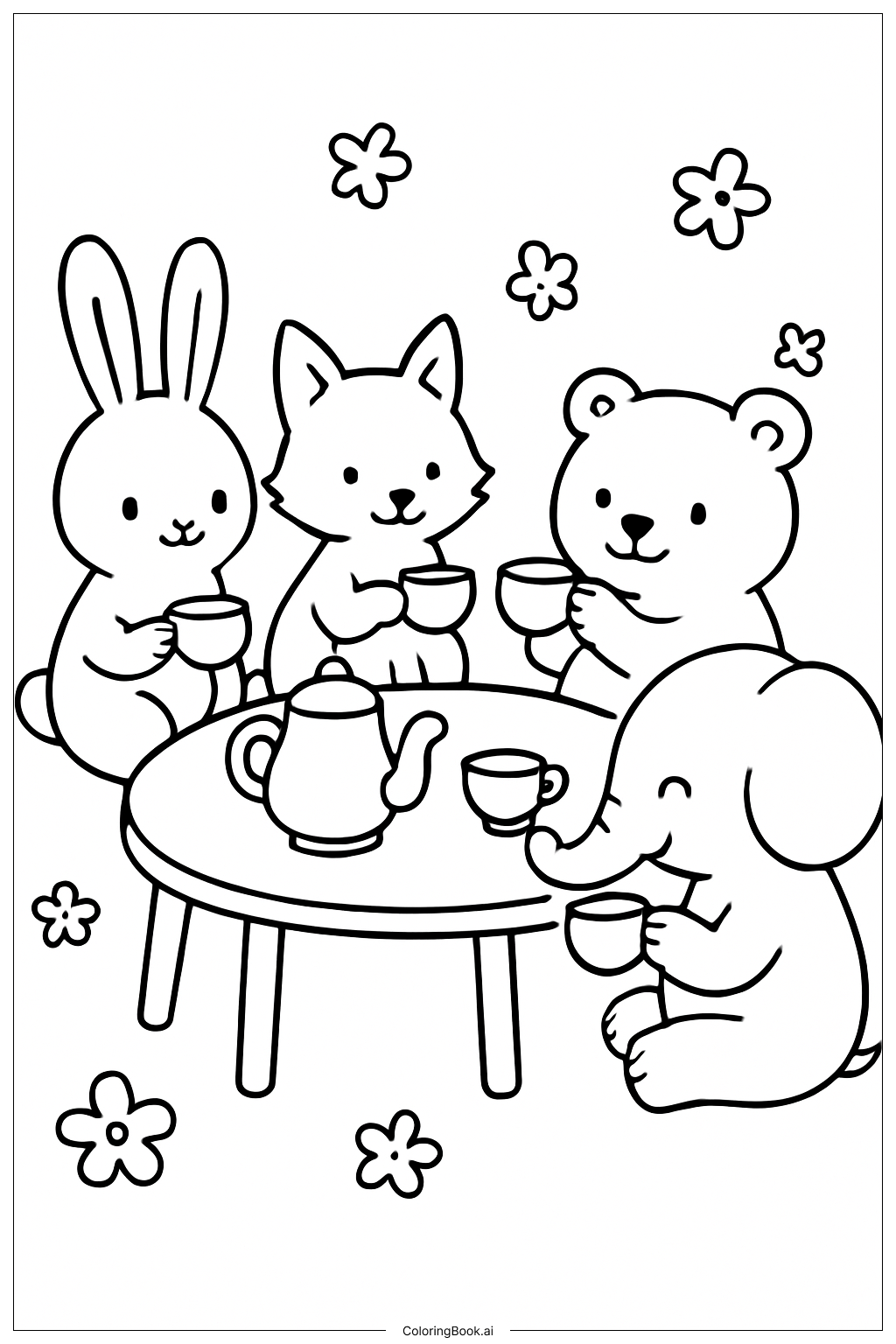
Consider using soft gray shades for the baby elephant's skin, as real elephants have gentle gray tones. You can add a touch of pink inside the ears or on the cheeks to show the tenderness of a baby animal. For the eyes, use dark brown or black to make them stand out and look lively. The background can be filled with light green, yellow, or blue colors to represent trees, grass, or sky, making the scene more cheerful. Encourage the use of crayons, colored pencils, or markers to create smooth shading or fun textures. Don’t be afraid to add some imaginative colors around the elephant to make the picture unique and personal.
Coloring challenges: Which parts are difficult to color and need attention for Baby Animal Elephant coloring page?
• Details in the Skin Texture: The elephant's wrinkled skin has several fine lines that might be tricky for younger children to color neatly. It requires careful attention to avoid coloring outside the lines or over-shading. • Small Areas Around the Eyes and Ears: These parts are delicate and need precise coloring to bring out the baby elephant’s friendly face without making it look messy. • Blending Soft Shades: Achieving the right tones, like soft grays and pinks, may be challenging for beginners who are unfamiliar with smooth color transitions. • Balancing the Background and Main Subject: Keeping the elephant the focus while coloring the surrounding space can be difficult, especially when using bright or multiple colors in the background. It takes some planning on color choices to maintain harmony in the entire picture. • Encouraging Imagination Without Overwhelming: Since the baby elephant is simple in design, it can be tempting to add excessive colors or patterns, which might stray away from the natural look and make it busier than intended.
Benefits of coloring books: Advantages of drawing Baby Animal Elephant coloring page
Coloring this baby animal elephant helps develop fine motor skills and hand-eye coordination in children. It encourages them to observe details carefully and make color choices that match nature or their imagination. This activity improves patience and focus, as coloring within lines and blending shades requires sustained attention. It also promotes creativity as kids decide how to bring the baby elephant and its surroundings to life. Additionally, coloring animals fosters empathy and interest in wildlife, helping children connect with the natural world in a fun and relaxing way. Overall, this image is an excellent tool for learning, concentration, and artistic expression.