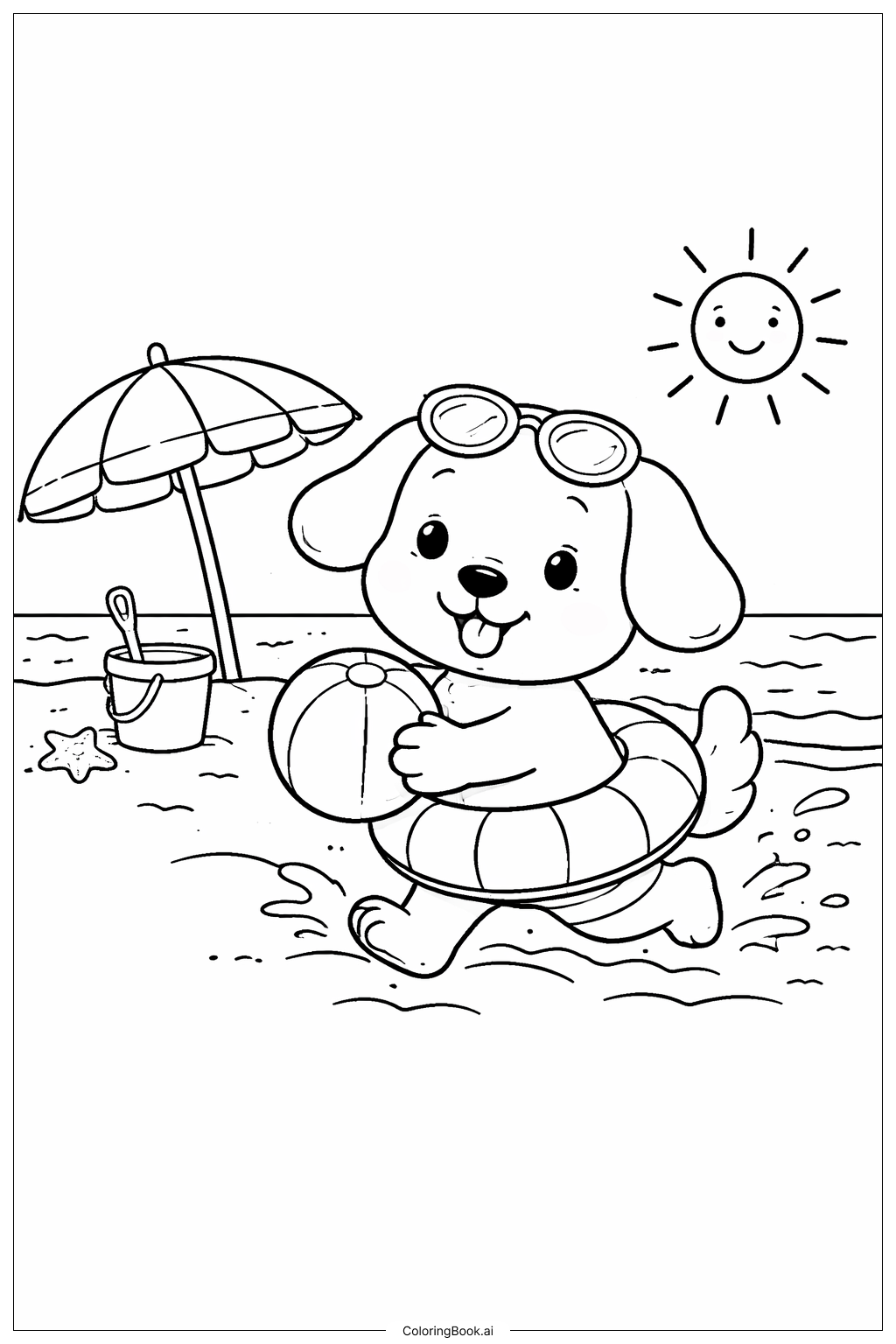
Coloring tips: How to color Animal At Beach coloring page well?
Start with the sky using a soft blue, adding a warm golden yellow for the sun. Use sandy tan or light beige for the beach. Color the ocean in layers — light blue near the shore and deeper blue toward the horizon for a realistic water effect. Give the animal warm, natural tones like brown, orange, or yellow, depending on the species. Use bright pops of color for seashells — pink, orange, and cream work great. Color the starfish in orange or coral. The palm trees can be green for the leaves and brown for the trunk. Keep the seagulls white or light gray. Add light yellow highlights to areas touched by sunlight to make the scene feel warm and sunny. Let kids experiment with fun and unexpected color choices — there are no rules here, just creativity!
Coloring challenges: Which parts are difficult to color and need attention for Animal At Beach coloring page?
• Animal Fur or Skin Texture: The animal's body may have detailed surface patterns, such as fur, scales, or smooth skin. Capturing these textures requires blending multiple shades of the same color. Try layering lighter tones first, then adding darker shades to suggest depth and dimension. This can be tricky for younger colorists but rewarding when done carefully.
• Ocean Wave Details: The water contains layered wave lines that need at least two or three shades of blue to look natural. Blending from light aqua at the foam edges to a deeper blue in the body of the water takes patience and a steady hand. Leaving the foam tips white or barely colored helps keep the waves looking realistic.
• Small Beach Elements: Tiny details like seashells, pebbles, and starfish require a fine-tipped tool to fill in accurately without going outside the lines. Each small object may need its own unique color, making this section time-consuming but highly satisfying once completed.
• Background Depth and Horizon: Creating a sense of distance in the background — where the sky meets the ocean — requires a gradual color shift. The sky should transition from deeper blue at the top to a lighter, almost white-yellow near the horizon. Achieving this smooth gradient is challenging without blending tools or careful pencil strokes.
• Sunlight and Shadow Balance: Areas hit directly by the sun should appear lighter, while areas in shadow need slightly darker tones. Getting this contrast right on the animal and the beach surface adds realism but demands attention to the light source direction throughout the image.
Benefits of coloring books: Advantages of drawing Animal At Beach coloring page
Coloring this Animal At Beach scene brings a wide range of benefits for kids and adults alike. The bright, beach-themed setting sparks imagination and transports colorists to a sunny, relaxing place — making it a great stress-relieving activity after a long day. For children aged 4 to 16, filling in the animal and beach details helps build fine motor skills and hand-eye coordination. Choosing colors for the ocean, sand, sky, and animal encourages creative thinking and color recognition. Kids learn to observe how light and shade work in a natural scene, which builds early artistic awareness. The variety of shapes and textures — from smooth waves to tiny shells — keeps the activity engaging and mentally stimulating. Completing the full scene also builds patience and a sense of accomplishment. For older kids and adults, the detailed elements offer a meditative, focused experience that promotes mindfulness. Sharing the finished artwork with friends or family creates a fun bonding opportunity. Overall, this page combines fun, learning, and relaxation in one colorful activity.