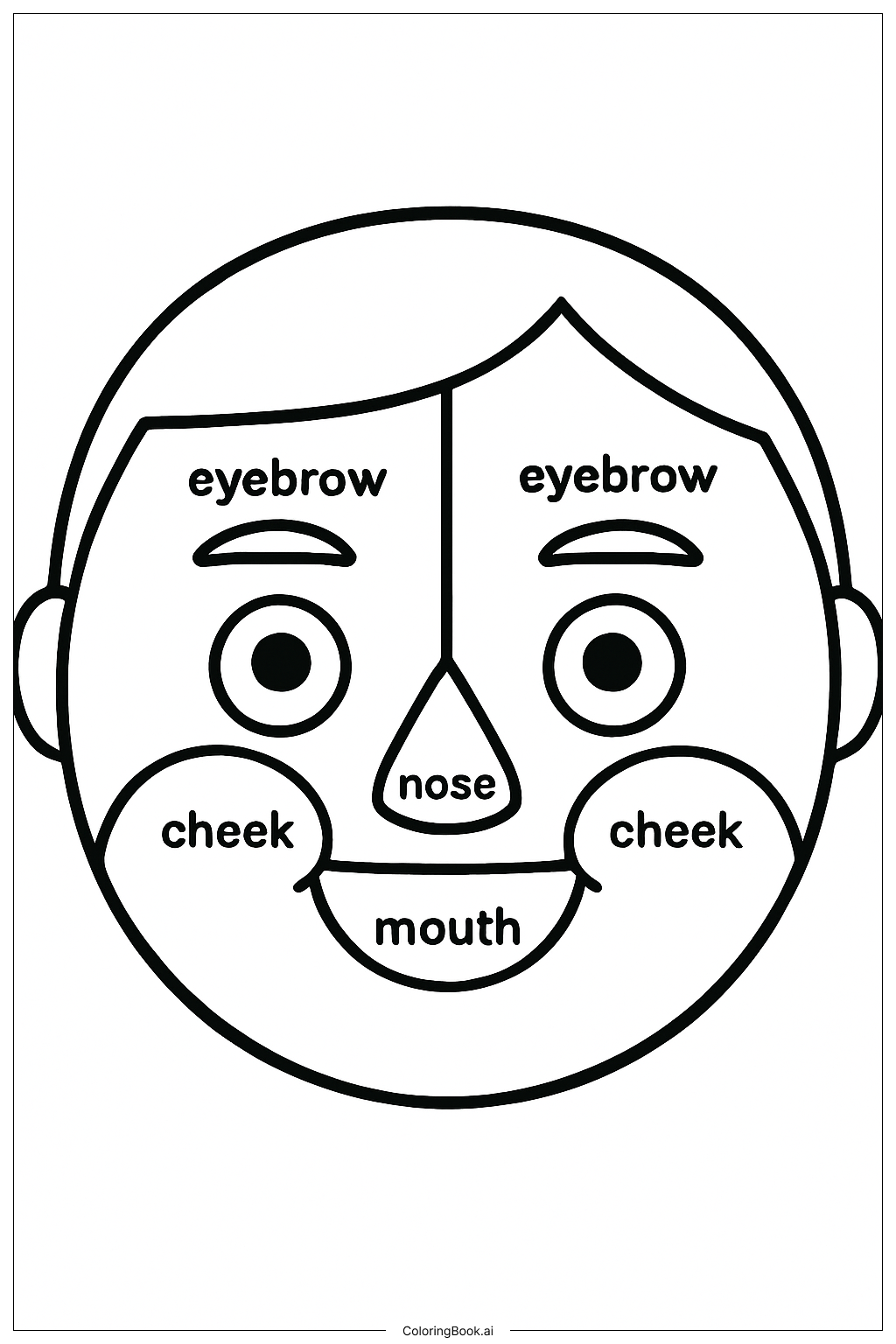
Coloring tips: How to color Anatomy Of A Smiling Face coloring page well?
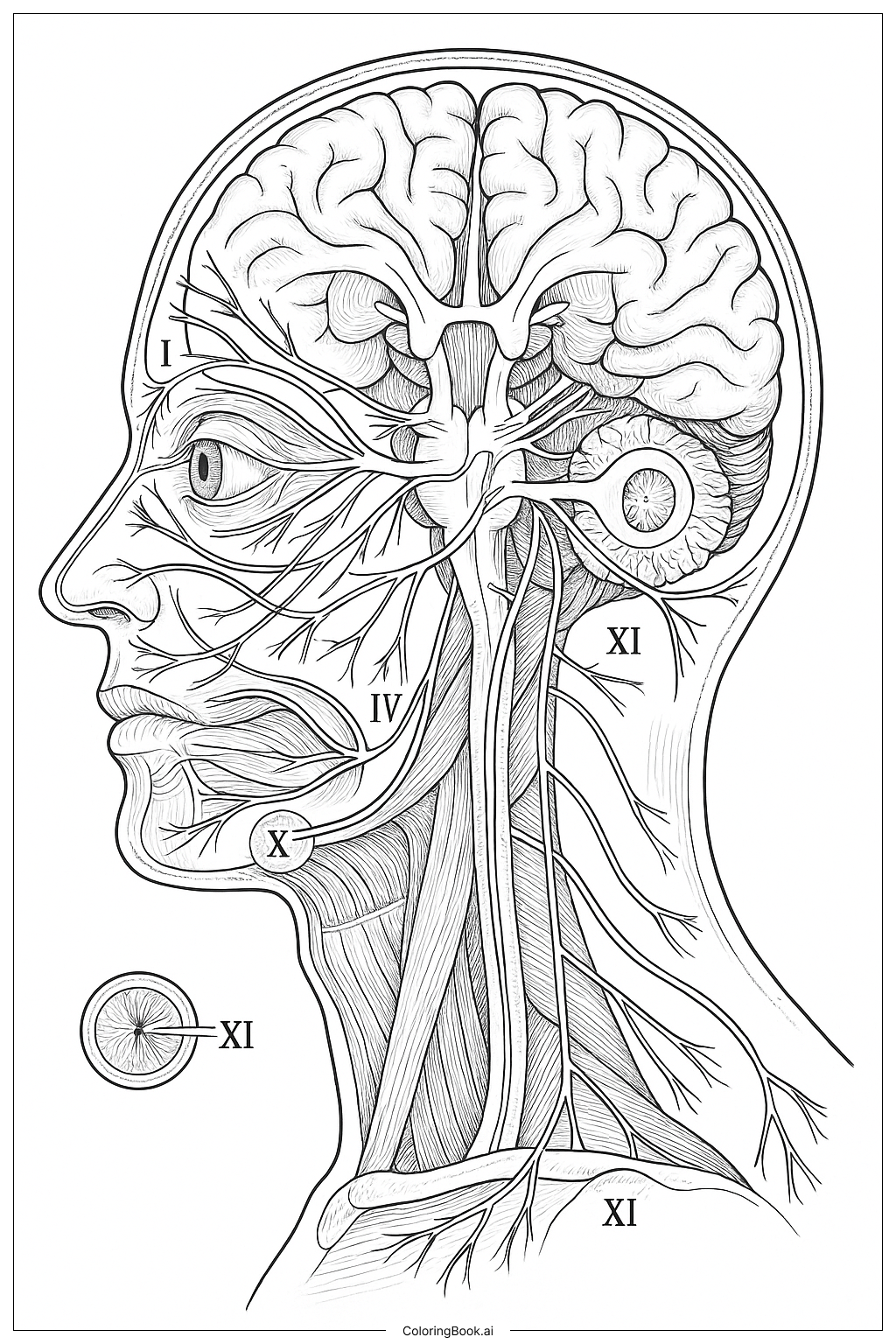
When coloring this image, start with soft, natural skin tones to bring life to the smiling face. Use light pinks or peach hues for the cheeks to show warmth and happiness. The lips can be colored with shades of red or rose. For the muscles beneath, try subtle reds or oranges to indicate muscle tissue. You can also use light gray or beige tones for the bones to distinguish them from soft tissues. Highlight the eyes with gentle blues or browns, depending on your preference. Use different colors to clearly separate each labeled anatomical part. This will help you learn where each muscle or bone is located while making the picture vibrant and fun.
Coloring challenges: Which parts are difficult to color and need attention for Anatomy Of A Smiling Face coloring page?
• Fine Details: The image contains many small labels and fine lines pointing to specific facial muscles and bones, which require careful coloring to avoid overlapping or smudging. Staying within these tight spaces can be tricky for younger children.
• Muscle and Bone Differentiation: It may be challenging to choose distinct colors that clearly distinguish muscles from bones and skin, while keeping the overall image harmonious.
• Layering Effects: The face’s anatomy involves overlapping features like muscles beneath skin and bones inside the skull. Representing these layers with colors without causing confusion demands planning and patience.
• Facial Expression Nuances: Capturing the joyful and dynamic look of a smile requires attention to shading and highlights in areas such as the cheeks and around the eyes.
• Label Clarity: Coloring near the text labels without obscuring them requires a steady hand and precise control, especially for younger children still developing fine motor skills.
Benefits of coloring books: Advantages of drawing Anatomy Of A Smiling Face coloring page
Coloring this anatomy page is a great way for children and learners to understand how a smile forms on the face. It boosts observation skills by encouraging attention to small details in muscles and bones. The activity promotes fine motor coordination, as users carefully color within specific areas and around labels. It also supports memory and retention when associating colors with different facial parts. Beyond the educational value, coloring a happy, smiling face can increase mood and reduce stress. This artistic exercise combines learning with creativity, making anatomy interesting and approachable for kids and adults alike.