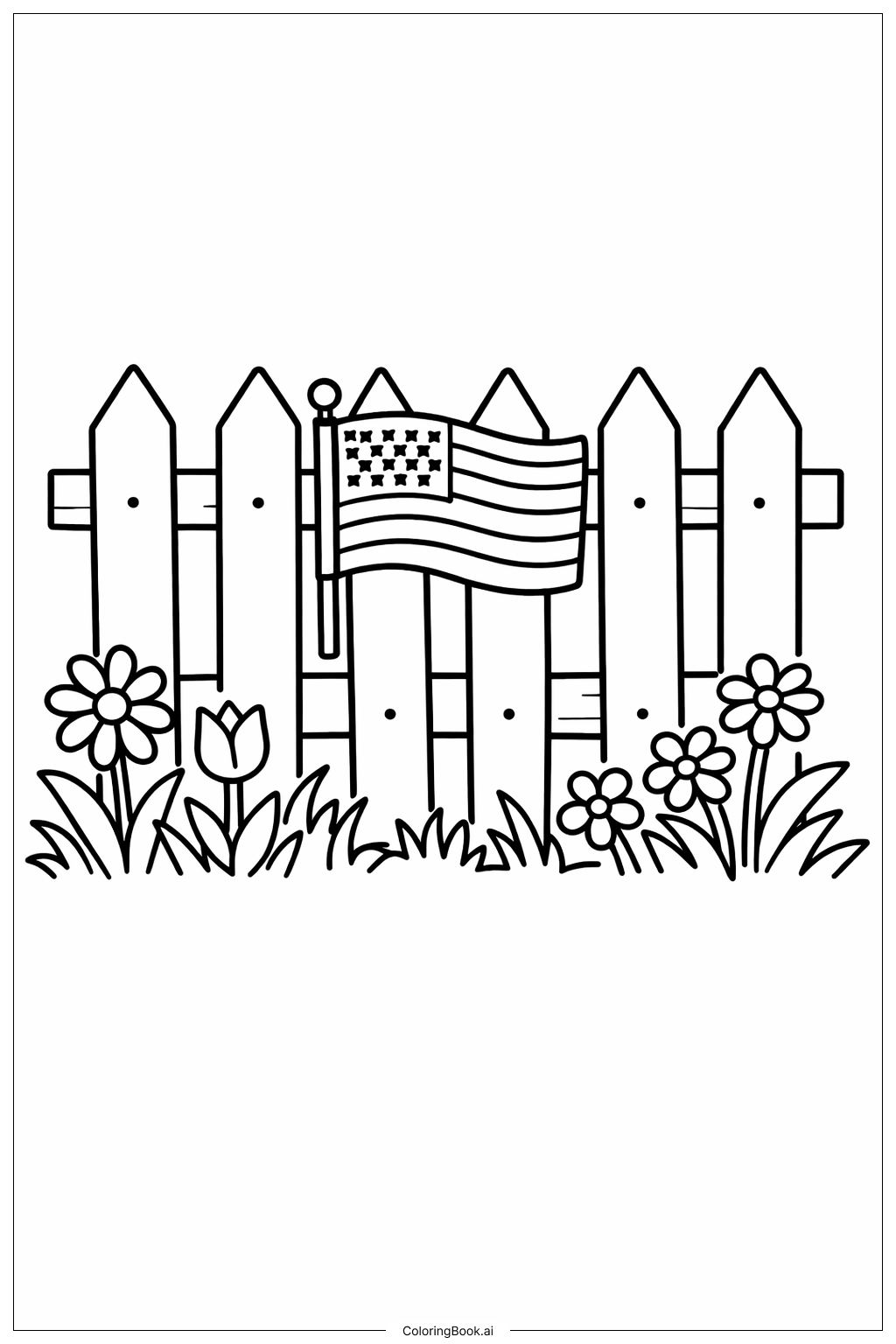
Coloring tips: How to color American Flag Garden Fence coloring page well?
Start with the American Flag. Use bold red for the alternating stripes and leave every other stripe uncolored or use white. Fill the star field with deep navy blue, then add bright white stars. For the wooden fence, use light brown or tan shades to give it a natural, weathered look. Add darker brown for the wood grain lines and shadows between the planks. For the garden elements, use a variety of greens for the leaves and vines. Pick bright colors like yellow, pink, or purple for any flowers to make them pop against the fence. Try blending two shades of each color to add depth. Younger colorists can keep things simple with flat colors, while older kids and Adults can try shading the stripes and fence boards to make the image feel more three-dimensional. Take your time with the small stars as they require a steady hand.
Coloring challenges: Which parts are difficult to color and need attention for American Flag Garden Fence coloring page?
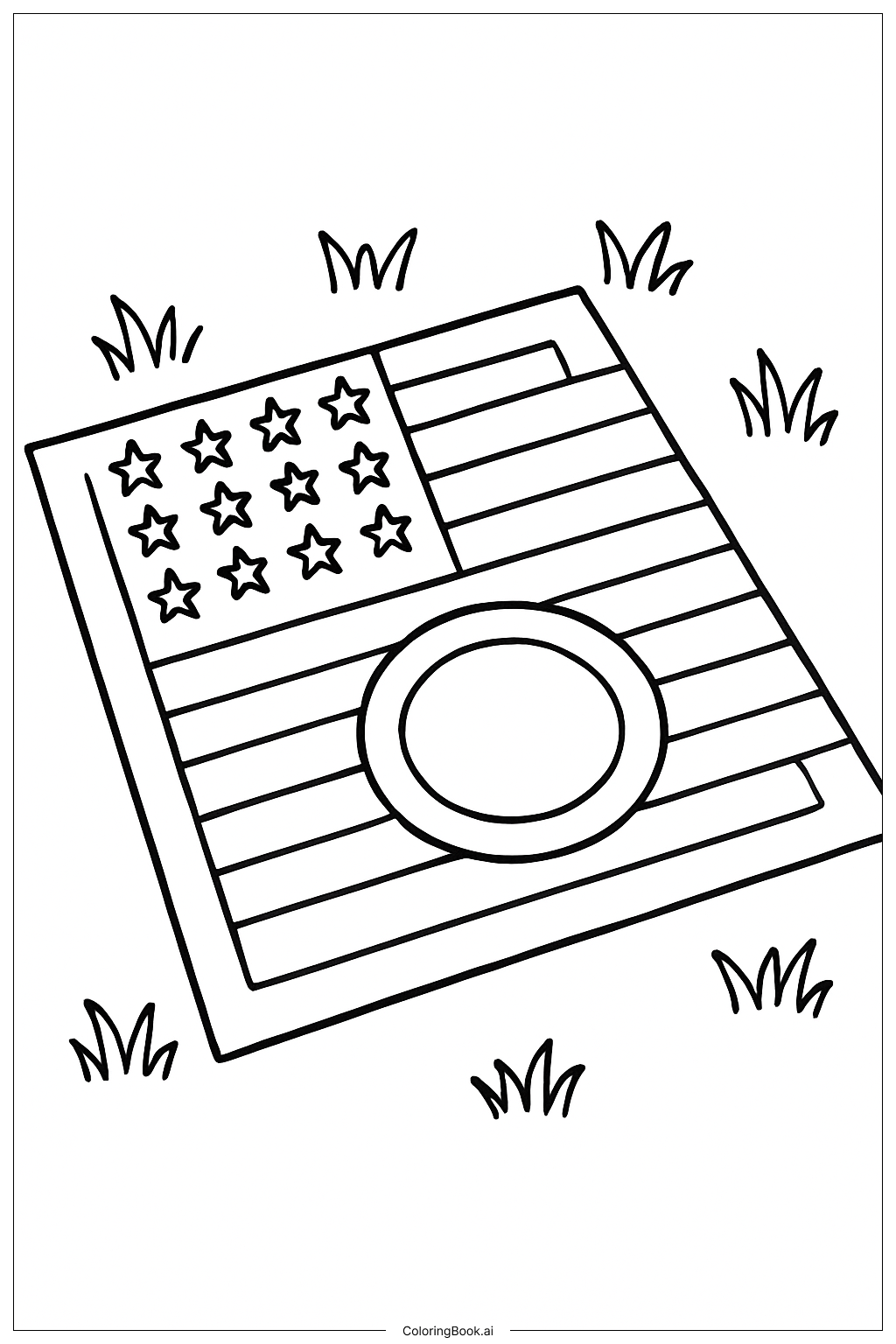
• Star Field Precision: The rectangular blue canton filled with rows of small five-pointed stars is one of the trickiest parts of this image. Each star is tiny and closely spaced, making it hard to stay inside the lines. Using a fine-tipped colored pencil or a thin marker will help you color each star cleanly without bleeding into the blue background. Work slowly and patiently through each row.
• Stripe Accuracy: The American Flag has thirteen alternating red and white stripes. Keeping track of which stripes should be red and which should stay white takes focus. It helps to lightly label or count the stripes before you start coloring to avoid making mistakes. Rushing through this section can lead to uneven or miscolored stripes.
• Wood Texture on the Fence: The garden fence is made of wooden planks with visible grain and shadow lines. Recreating a realistic wood look means using at least two shades of brown and blending them carefully along the direction of the grain. Simply filling in a flat brown color will make the fence look dull, so layering light and dark tones adds authenticity.
• Garden Details Along the Fence: Vines, leaves, and flowers growing around the fence base add natural beauty but also require careful attention. Leaves come in many shades of green, and flowers need contrasting colors to stand out. Coloring these small organic shapes neatly without smudging nearby areas can be a challenge, especially where plants overlap the fence boards.
• Balancing the Overall Color Palette: Bringing together the patriotic red, white, and blue of the flag with the earthy tones of the fence and the bright colors of the garden requires thoughtful color planning to avoid a clashing or unbalanced result.
Benefits of coloring books: Advantages of drawing American Flag Garden Fence coloring page
Coloring this American Flag Garden Fence page offers a wonderful mix of fun, learning, and creativity. Working with the flag's stripes and stars helps children practice staying within lines and building fine motor skills, which are important for handwriting and everyday tasks. Counting and coloring the thirteen stripes and fifty stars also turns the activity into a gentle history lesson about the United States, sparking curiosity about what each element of the flag represents. The garden elements encourage colorists to explore nature-inspired palettes and experiment with blending greens, purples, and yellows to create a lively outdoor scene. For Adults, the detailed patterns of the flag and the intricate fence texture make this page a satisfying mindfulness exercise. Focusing on small sections at a time helps quiet a busy mind and reduce stress. For Boys and Girls alike, completing this page builds a sense of accomplishment and pride, especially when they see the finished, colorful result. The patriotic theme also makes it a great activity around national holidays like Independence Day, turning coloring time into a meaningful celebration of heritage and community.