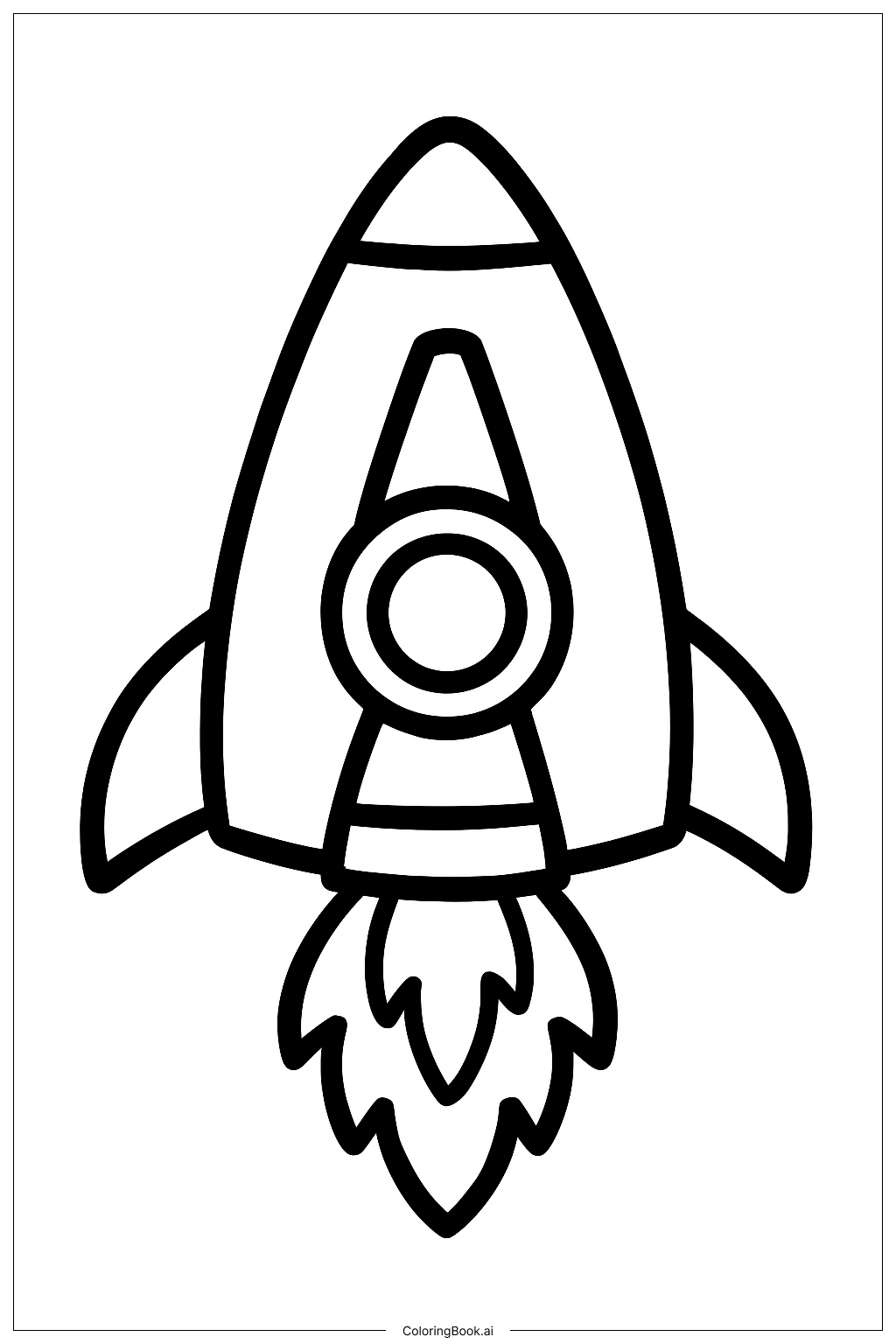
Coloring tips: How to color Alphabet Letters Rocket Letter coloring page well?
Try coloring the rocket letter with bright and bold shades to make it pop on the page. Use a mix of reds, oranges, and yellows for the fiery rocket flames to show motion and energy. For the letter itself, pick your favorite color or several contrasting colors to highlight the different patterns. The stars and planets can be colored with shimmering blues, purples, and silvers for a magical space feel. To create depth, use darker colors for shadows on the rocket and lighter shades where the light would hit. Encourage adding personal touches like glitter or metallic colors to make the rocket really shine.
Coloring challenges: Which parts are difficult to color and need attention for Alphabet Letters Rocket Letter coloring page?
• Fine Pattern Details: The small dots, stripes, and shapes inside the letter require careful coloring to stay inside the lines and keep the design neat. This can be tricky for younger children or those new to coloring. • Flames and Smoke Effects: The flames at the rocket’s base have flowing, curved shapes that need shading to look realistic. Blending colors like red to yellow can be challenging but adds impact. • Complex Shapes: The overall letter shape combines smooth curves with sharp rocket elements, requiring attention to color consistently without mixing outside edges. • Space Background Elements: The tiny stars and planets need precise coloring to keep them distinct and visible, especially when using bright or metallic colors. • Small Spaces: Some areas have narrow gaps between lines where tools like crayons may be too thick, requiring the use of colored pencils or fine-tip markers for detail.
Benefits of coloring books: Advantages of drawing Alphabet Letters Rocket Letter coloring page
Coloring this rocket letter image helps improve hand-eye coordination and fine motor skills as children carefully color within detailed shapes. It also encourages creativity by combining learning with imaginative space themes. Working on patterns and small spaces boosts concentration and patience. Choosing colors for different rocket parts develops color recognition and decision-making skills. The cosmic background inspires curiosity about space and letters, making the activity both educational and fun for children aged 4 to 16.