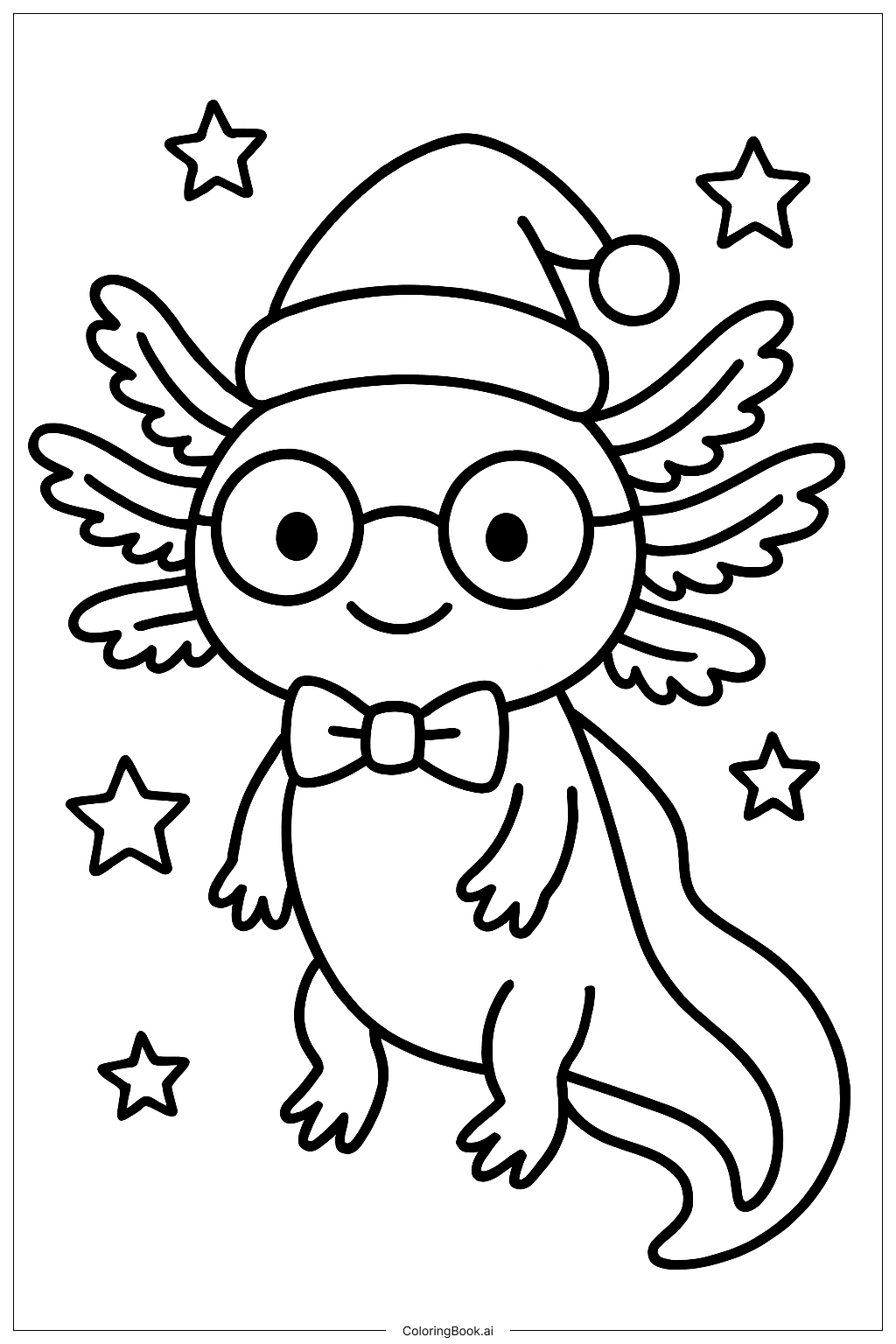
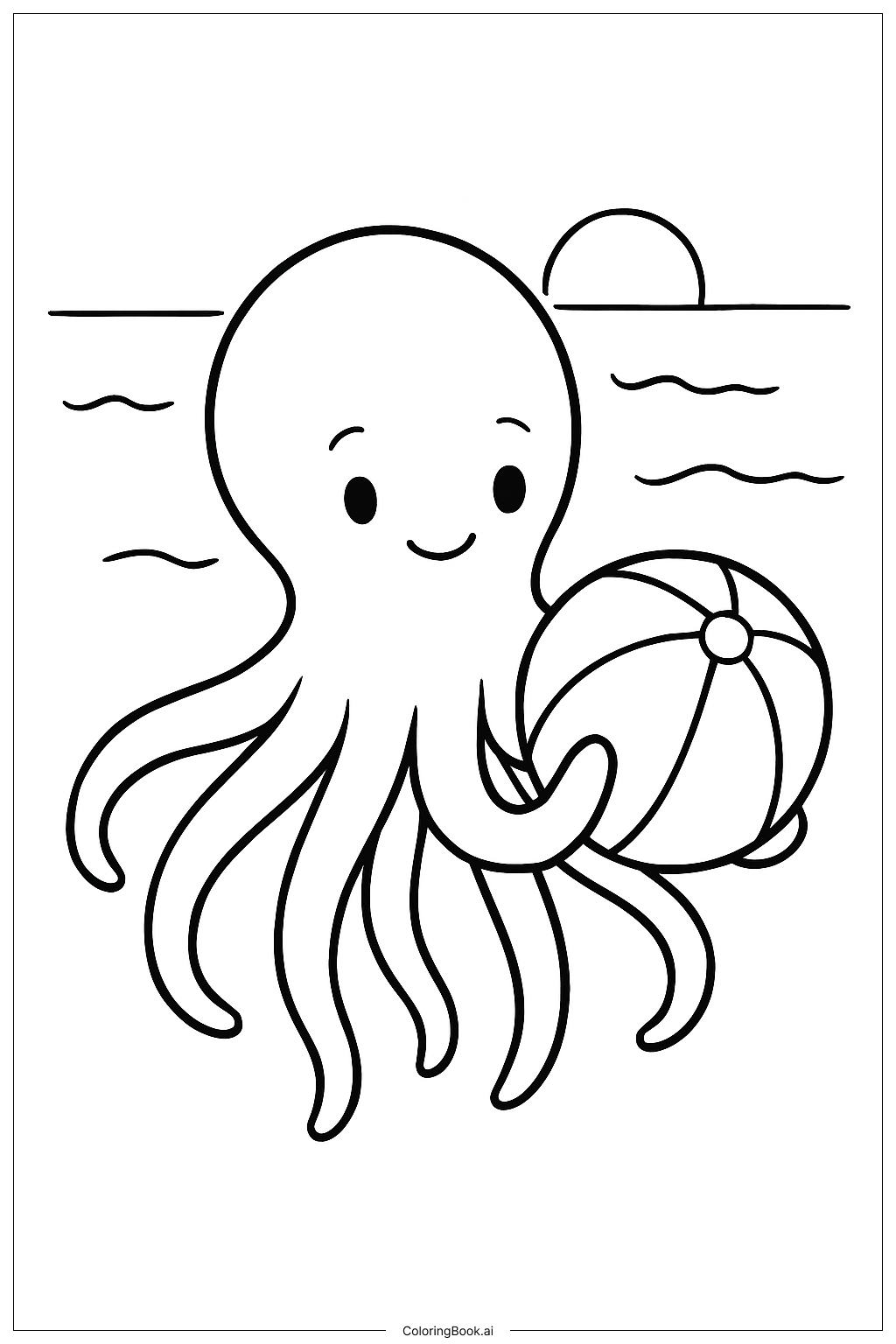
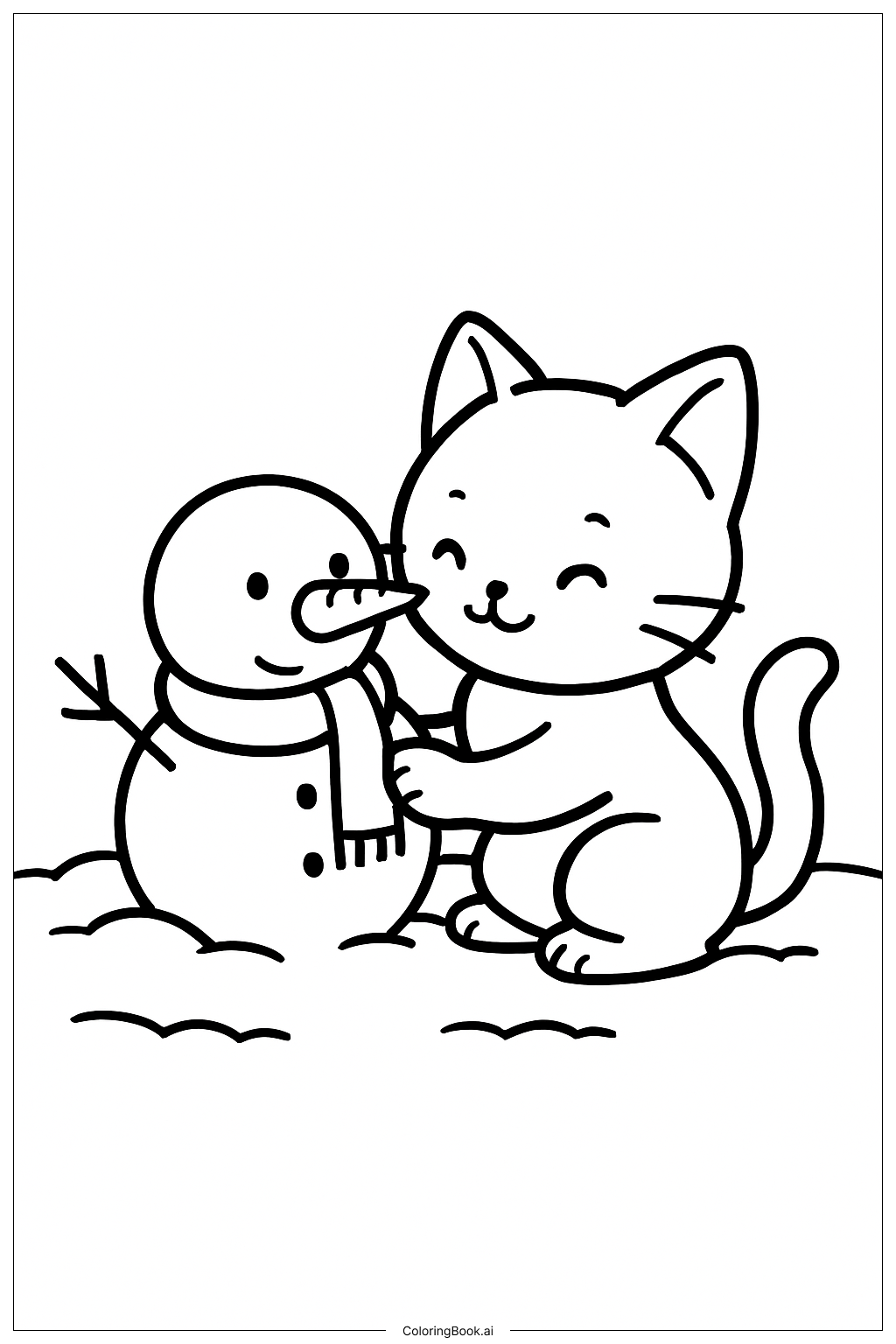
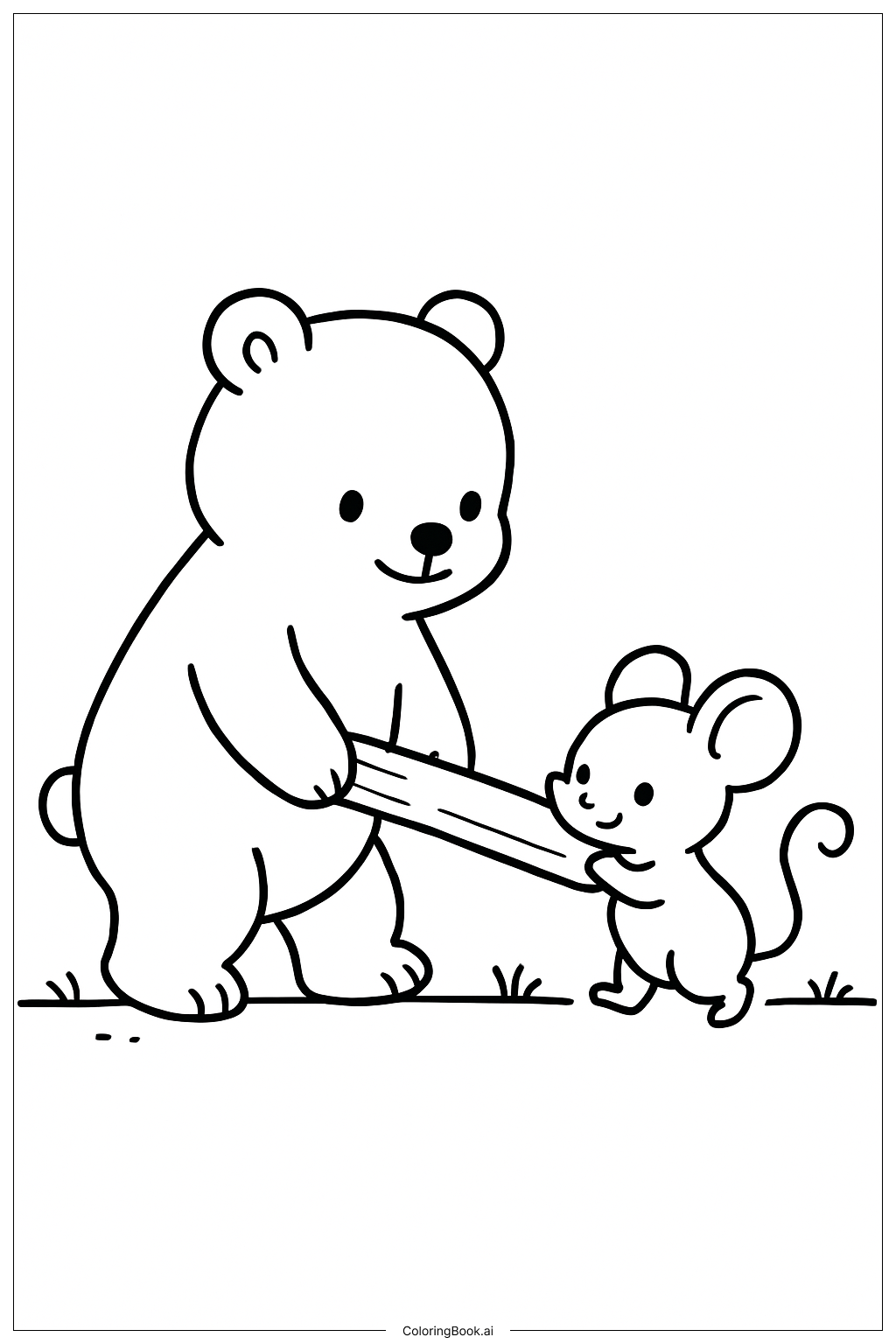
Coloring tips: How to color Alligator With Tiny Wings coloring page well?
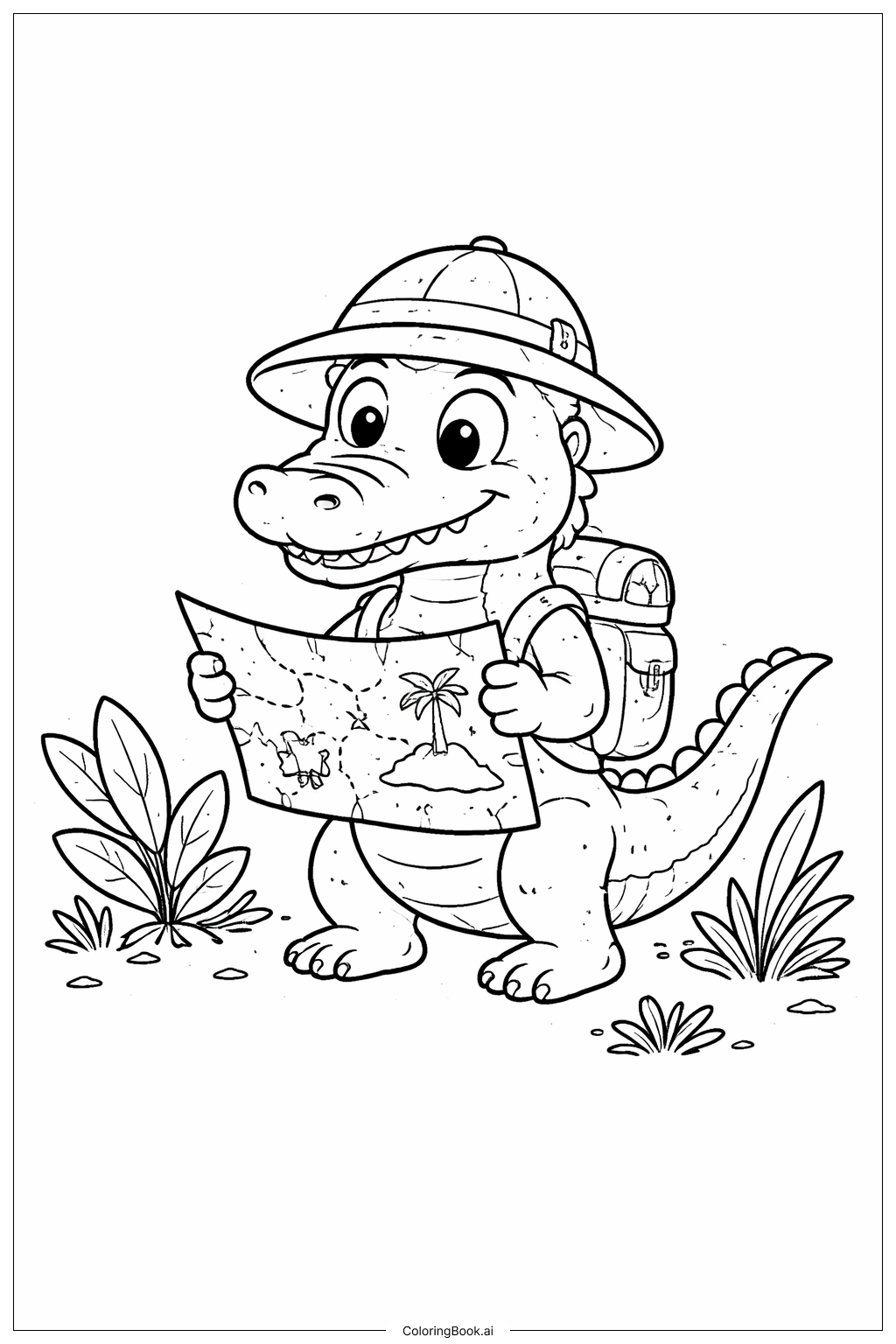
For coloring this image, try using greens in different shades for the Alligator’s body to make it look realistic yet fun. You can use a darker green for the scales and a lighter green for the belly to give it dimension. The tiny wings could be colored in soft pastel tones like light blue, lavender, or pink to make them stand out and appear magical. Adding a bit of yellow or orange around the eyes can highlight its friendly expression. The background can be left white or colored with soft blues and greens to suggest sky or water. Feel free to use crayons, markers, or colored pencils for layering colors smoothly.
Coloring challenges: Which parts are difficult to color and need attention for Alligator With Tiny Wings coloring page?
• Small Wing Details: The tiny wings have fine lines and tiny feathers that require careful coloring to stay within the lines and keep the details clear. • Scaled Texture: The Alligator’s body is covered with many small scales, which can be challenging to color neatly while respecting their pattern and avoiding smudging. • Facial Expression: The eyes and smile are important for making the character look friendly, so coloring these areas precisely is key, especially the small details like pupils and eyelids. • Tail Curves: The tail has smooth curves that need consistent coloring to maintain the proper shape and avoid color overlaps outside the lines. • Balancing Colors: Choosing colors that balance realism with fantasy (especially for the wings) may require some experimenting to get a harmonious look without clashing hues.
Benefits of coloring books: Advantages of drawing Alligator With Tiny Wings coloring page
Coloring this Alligator With Tiny Wings helps children practice fine motor skills, especially controlling coloring tools around detailed patterns like scales and small wings. It encourages creativity by letting them experiment with realistic and fantasy colors together. Focusing on the friendly facial features can improve attention to detail. Because the wings add a magical element, it can inspire imaginative storytelling while coloring. Coloring the textures and curves also develops hand-eye coordination and patience, making it a fun and educational activity for kids aged 4 to 16.