Coloring tips: How to color Alligator Playing Ball coloring page well?
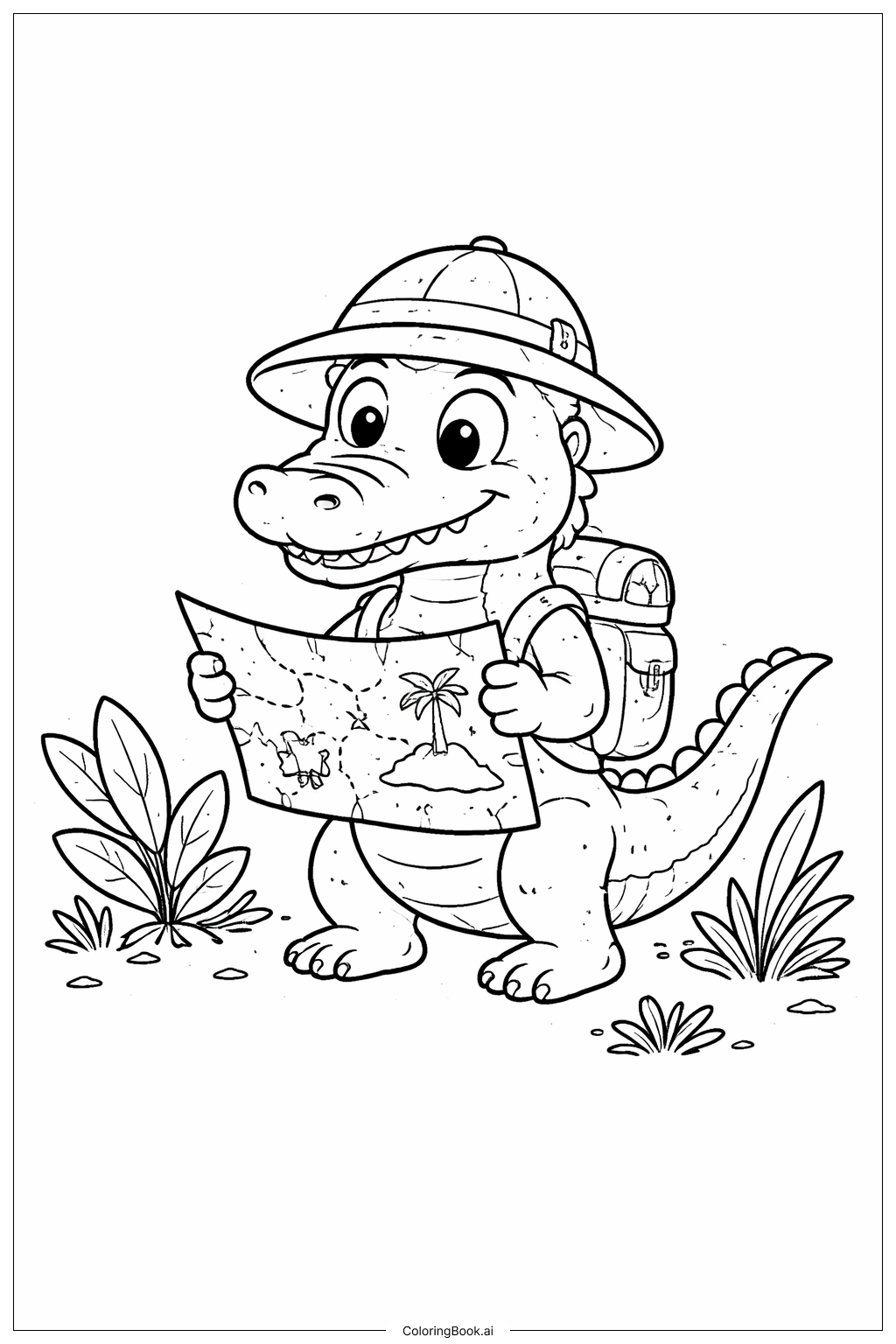
For this image, you can use different shades of green to bring the Alligator to life, such as a darker green for the body and a lighter green or yellow-green for the belly and face. The scales can be colored with slight variations to add depth and interest. The ball is a great chance to use bold, bright colors like red, blue, or orange to make it stand out. You can also add some background colors like blue for the sky or green for grass if you want to create a full scene. Feel free to experiment with colorful patterns on the ball or fun highlights on the Alligator’s eyes to give it personality.
Coloring challenges: Which parts are difficult to color and need attention for Alligator Playing Ball coloring page?
• Texture Detail: The Alligator’s scales come with many small, uneven shapes that can be tricky to color neatly. It takes careful attention to stay inside the lines and still show the rough texture clearly.
• Facial Features: Coloring the eyes and teeth is delicate work. The eyes need precise strokes to keep their lively expression, and the teeth must be colored to appear sharp yet friendly.
• Ball Shape: Maintaining the roundness of the ball with smooth, even coloring is important. Uneven shading can distort its shape and reduce the visual impact.
• Claws and Tail: The claws gripping the ball and the curved tail behind the Alligator require careful shading to show dimension and balance.
• Space Management: There are several overlapping parts in the picture, so coloring smoothly without smudging or mixing colors can be a bit of a challenge for younger children.
Benefits of coloring books: Advantages of drawing Alligator Playing Ball coloring page
Coloring this Alligator Playing Ball image helps improve hand-eye coordination and fine motor skills as children carefully fill in detailed sections. It encourages creativity by allowing them to choose colors for the Alligator and ball, practicing color recognition and combination. The image also promotes concentration and patience, especially when working on smaller features like scales and claws. Furthermore, coloring an active, playful scene can be emotionally uplifting and inspire storytelling about the Alligator’s fun game. Overall, this activity supports artistic development while keeping children engaged and entertained.