Coloring tips: How to color Aesthetic Train Ride coloring page well?
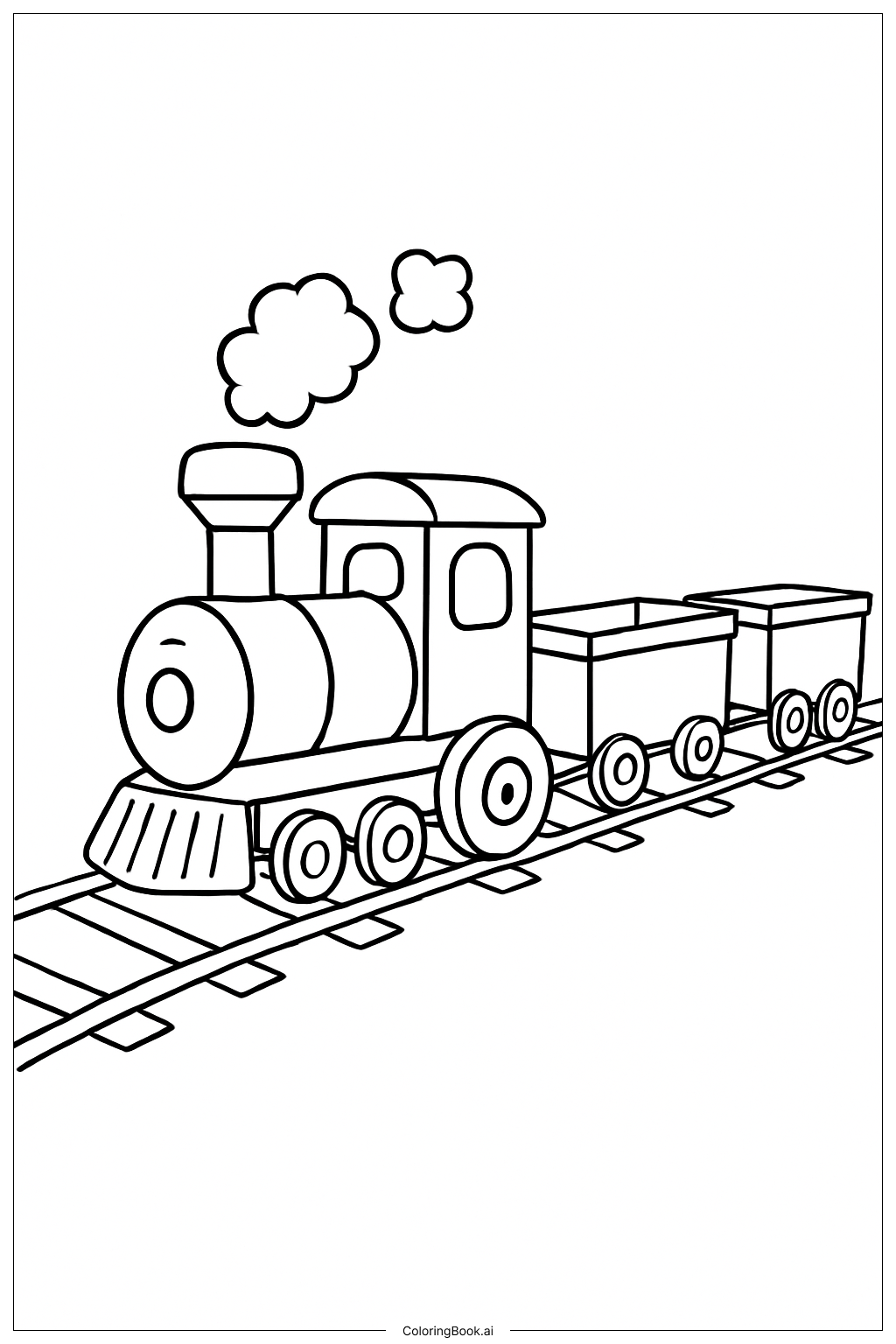
For coloring this train, vibrant colors can bring it to life! You might choose bright reds and blues for the engine, with cheerful yellow and green highlights. Don’t forget to use gray or black for the tracks and smoke. You can also add details like passengers in the train cars with colors representing their clothes and hair. Let your creativity shine! Adding backgrounds like green fields or blue skies can enhance the scene.
Coloring challenges: Which parts are difficult to color and need attention for Aesthetic Train Ride coloring page?
1. Small Details: The train has intricate parts like wheels, windows, and the smokestack. Coloring these areas carefully can be tricky, especially for younger children. 2. Color Blending: Blending colors in areas like the smoke can be challenging. Children may find it hard to achieve a smooth transition between shades. 3. Staying Within Lines: The various curves and edges of the train require steady hands. Younger kids might struggle to stay within the lines while trying to fill in the details. 4. Choosing Combinations: Selecting the right color combinations can be overwhelming. Children may find it difficult to decide what colors work well together. 5. Consistency: Keeping color patterns consistent can be hard. For example, if the train engine is red, the cars should complement that color, which takes planning.
Benefits of coloring books: Advantages of drawing Aesthetic Train Ride coloring page
Coloring this train image offers many benefits to children. Firstly, it helps improve fine motor skills. Holding and manipulating coloring tools strengthens hand muscles. Secondly, coloring encourages creativity and self-expression. Children can choose colors based on their imagination, making each artwork unique. Thirdly, it enhances focus and concentration. Completing a coloring page requires attention to detail and time management. Furthermore, it aids in understanding color theory. Mixing and blending colors teaches children how different colors interact. Overall, coloring promotes both artistic skill and emotional development.