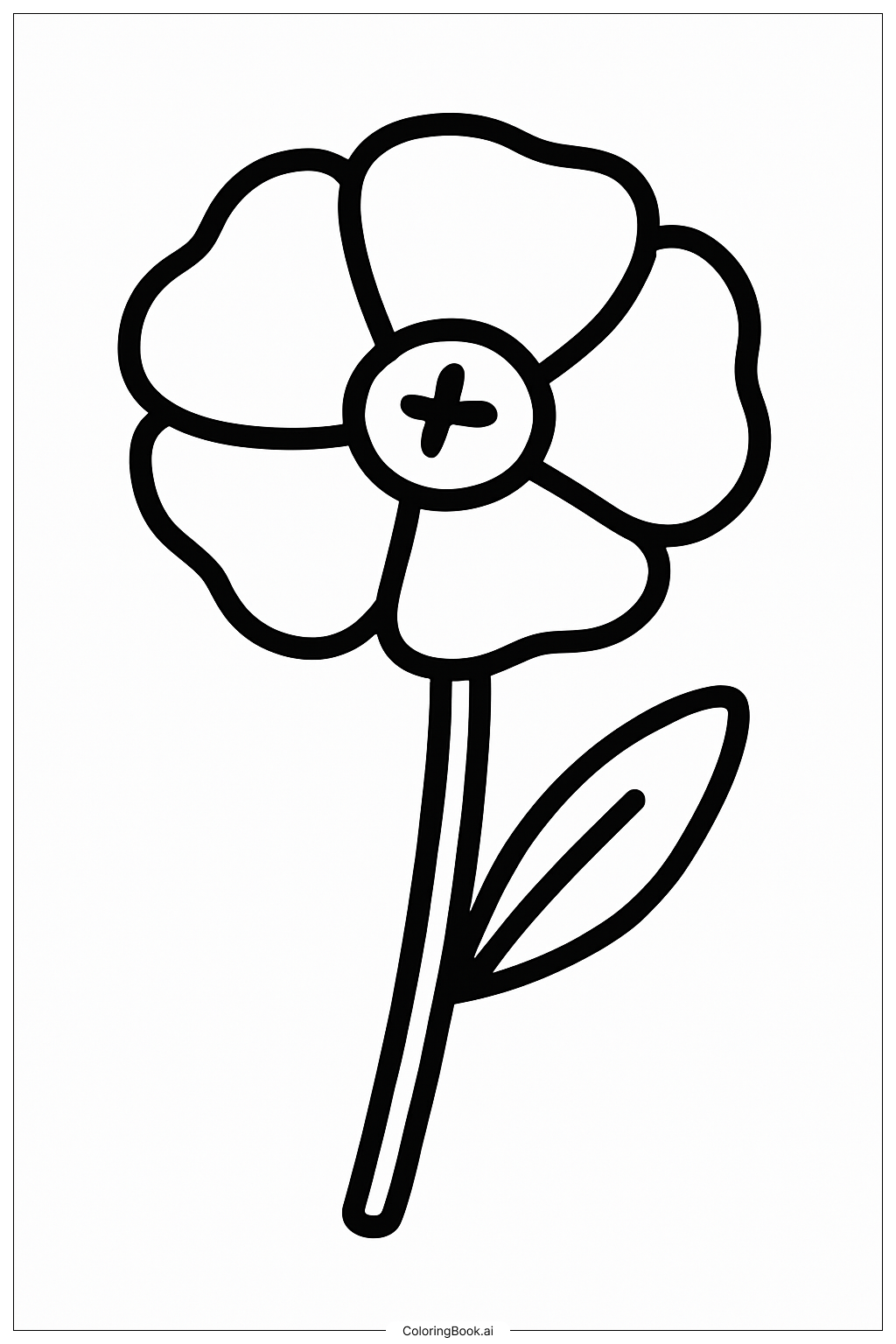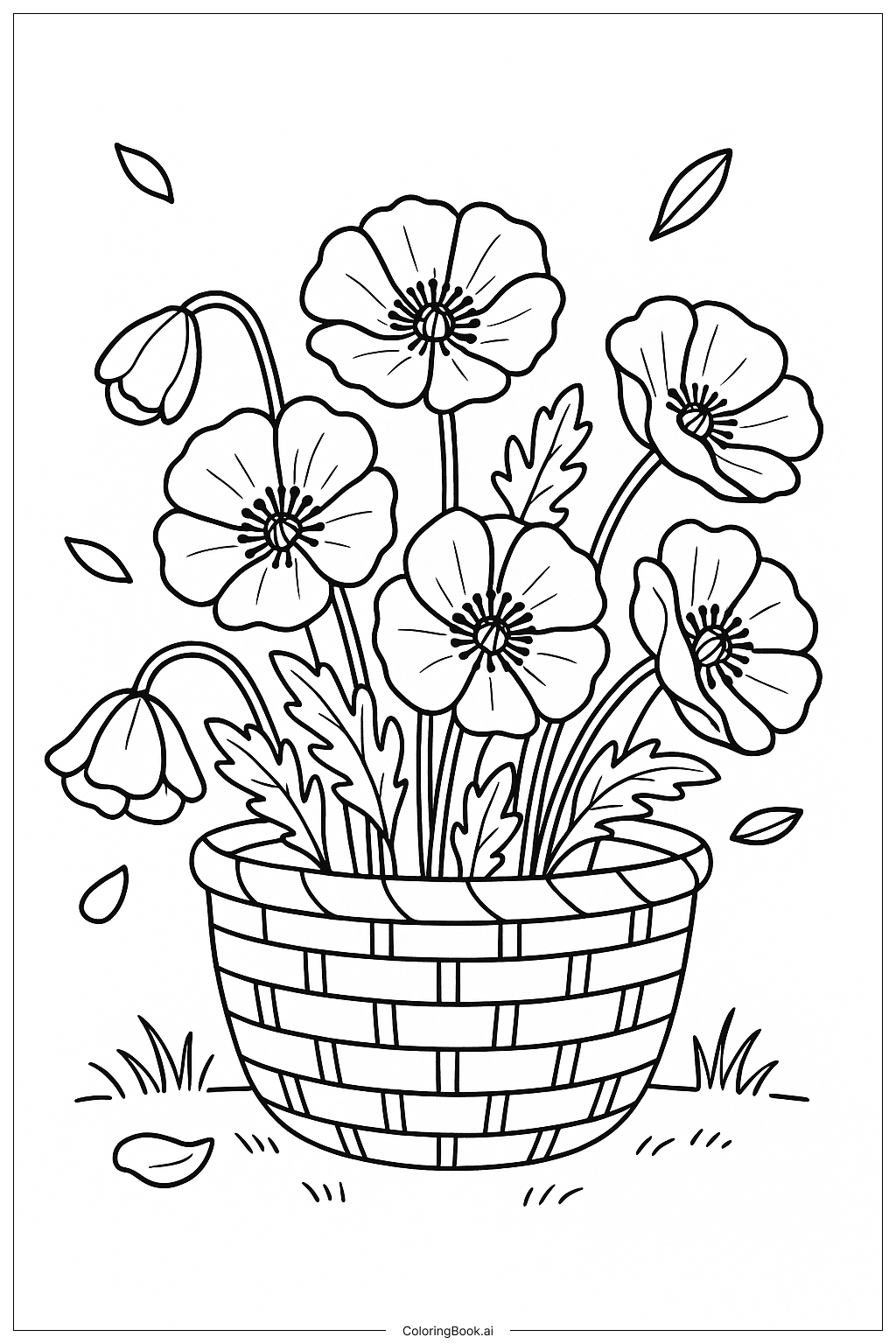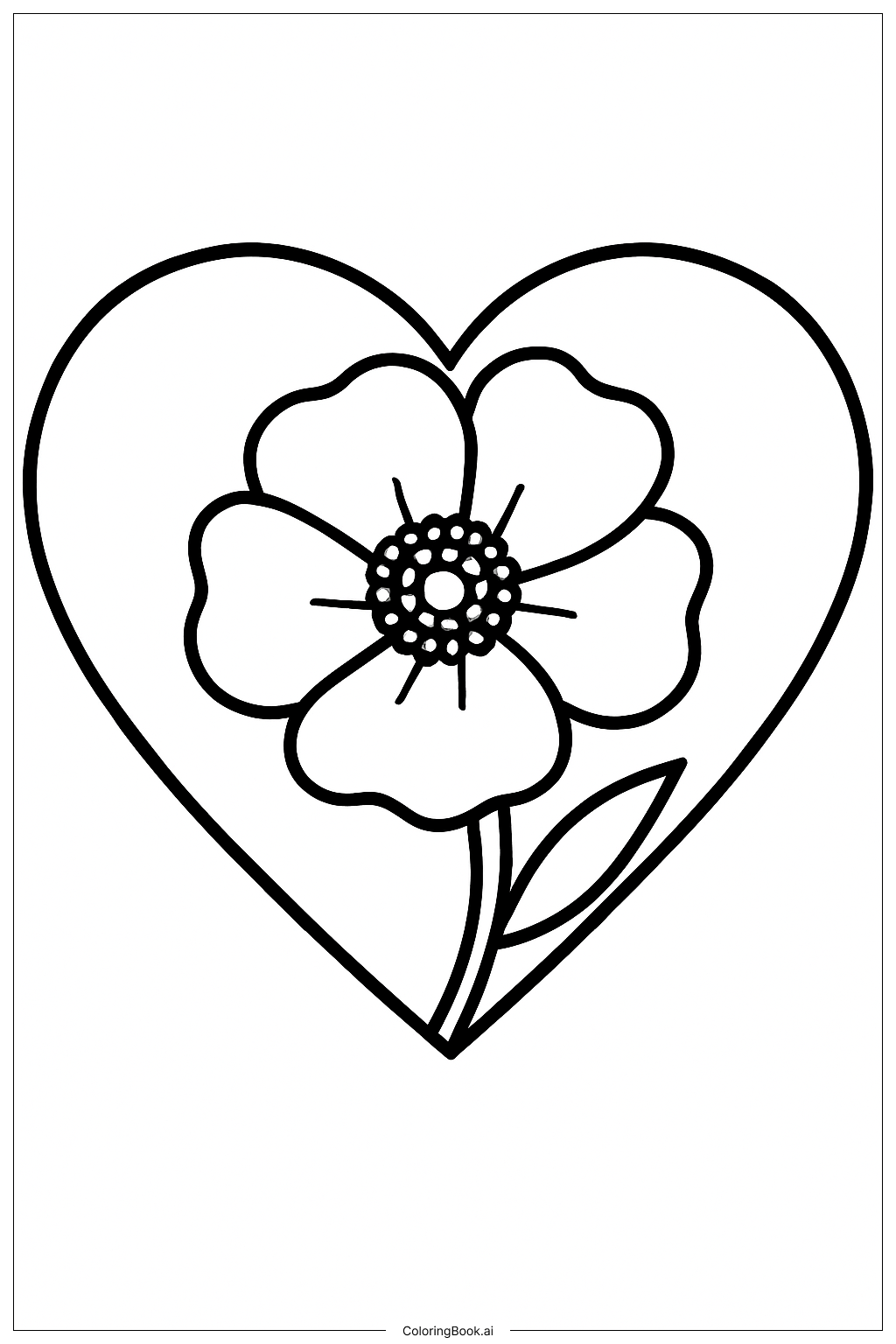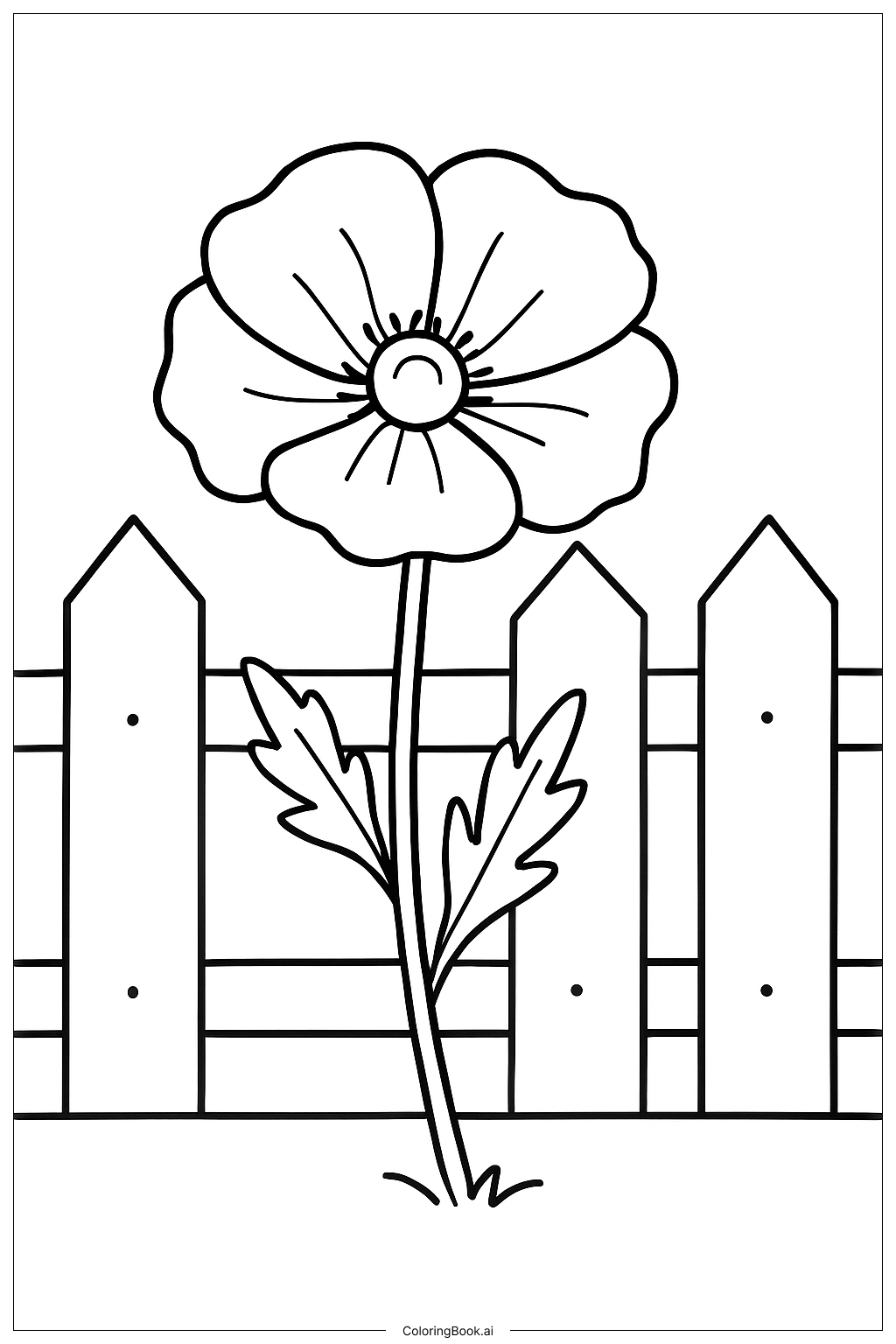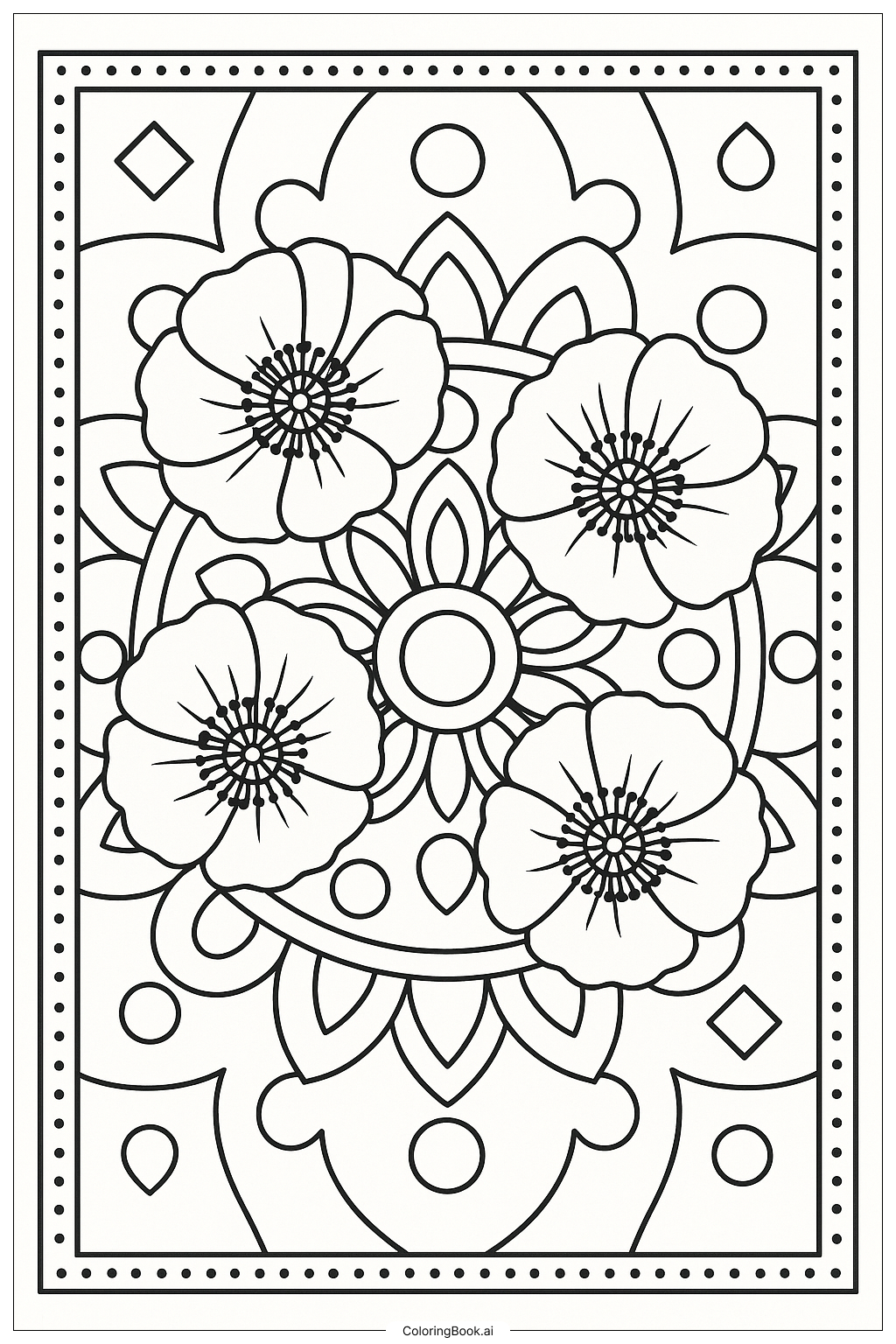
Coloring tips: How to color Simple Poppy Flower Mandala Pattern coloring page well?
Start by choosing bright, warm colors like red, orange, and yellow for the poppy flowers to make them stand out. Use softer greens for the leaves and surrounding shapes to create a natural look. You can try shading the petals by using darker color tones near the flower center and lighter tones towards the edges. For the small circles and diamond shapes around the flowers, use contrasting colors like blues or purples to add variety and interest. The dotted border can be colored with a single color or alternating shades to make the frame special. Take your time and color each petal and shape carefully to keep the mandala neat and beautiful.
Coloring challenges: Which parts are difficult to color and need attention for Simple Poppy Flower Mandala Pattern coloring page?
1. Balancing Colors: It can be hard to choose colors that look good together because the design has many different shapes and spaces. Picking the wrong colors might make the page look messy.
2. Coloring Small Details: The centers of the poppies have small dots and lines that need careful coloring, which can be tricky and might require a steady hand.
3. Staying Inside the Lines: Because there are overlapping shapes and complex details, it can be a challenge for younger children to color precisely without going outside the lines.
4. Symmetry Matching: Since the design is symmetrical, choosing colors for one flower means you might want to match it on the other flowers to keep the balance, which requires planning.
5. Shading Skills: To give the flowers a more lifelike look, shading is needed, but shading can be difficult for beginners as it requires blending and smooth color transitions.
Benefits of coloring books: Advantages of drawing Simple Poppy Flower Mandala Pattern coloring page
Coloring this poppy flower mandala helps improve focus and attention to detail. It encourages creativity by letting children choose their favorite colors and experiment with combinations. The repetitive patterns promote relaxation and patience, making coloring a calming activity. It also helps develop fine motor skills as children practice coloring within small spaces and along curved lines. Finally, it introduces basic concepts of symmetry and design, which can be fun and educational for young learners.