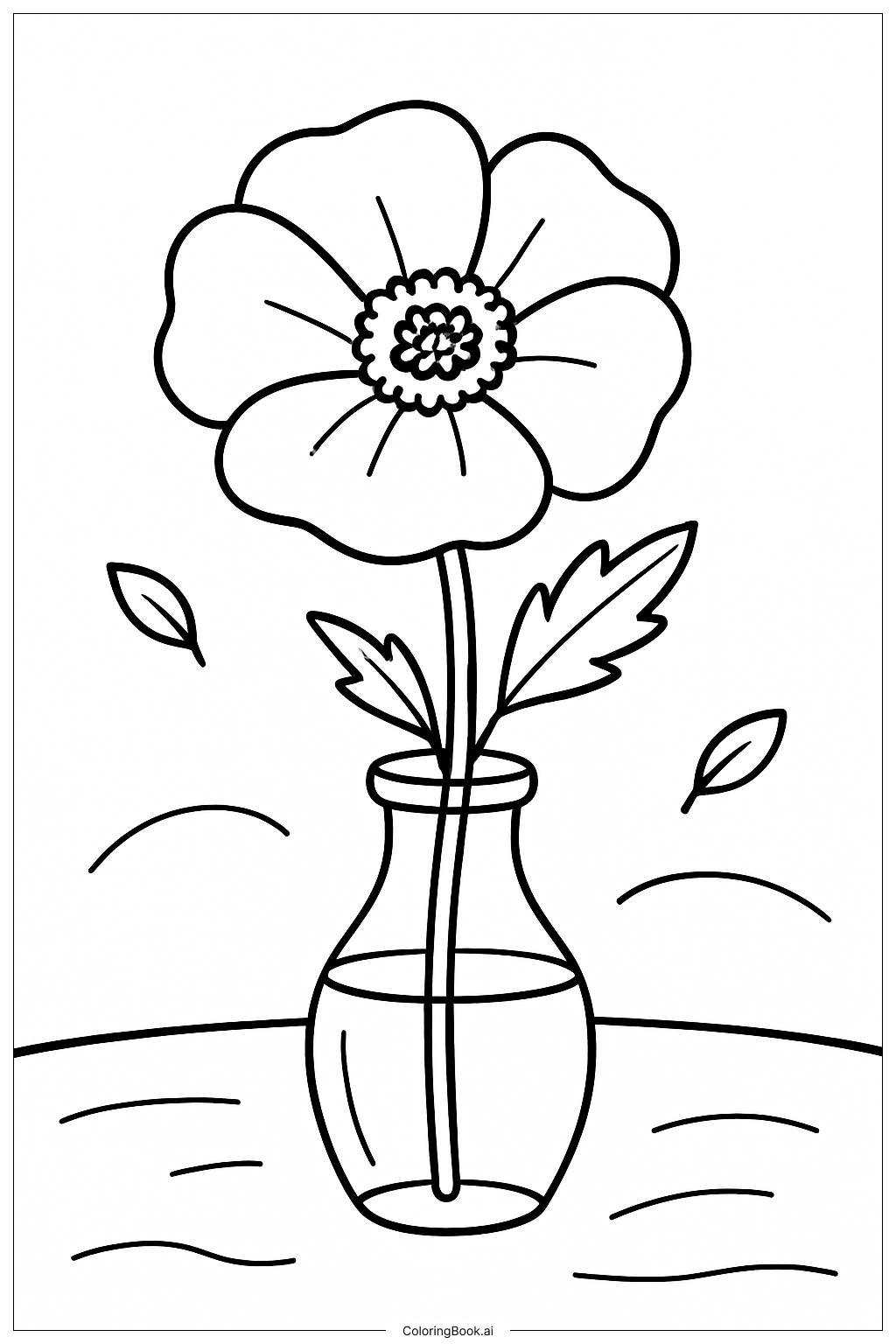
Coloring tips: How to color Poppy Flower In A Glass Vase coloring page well?
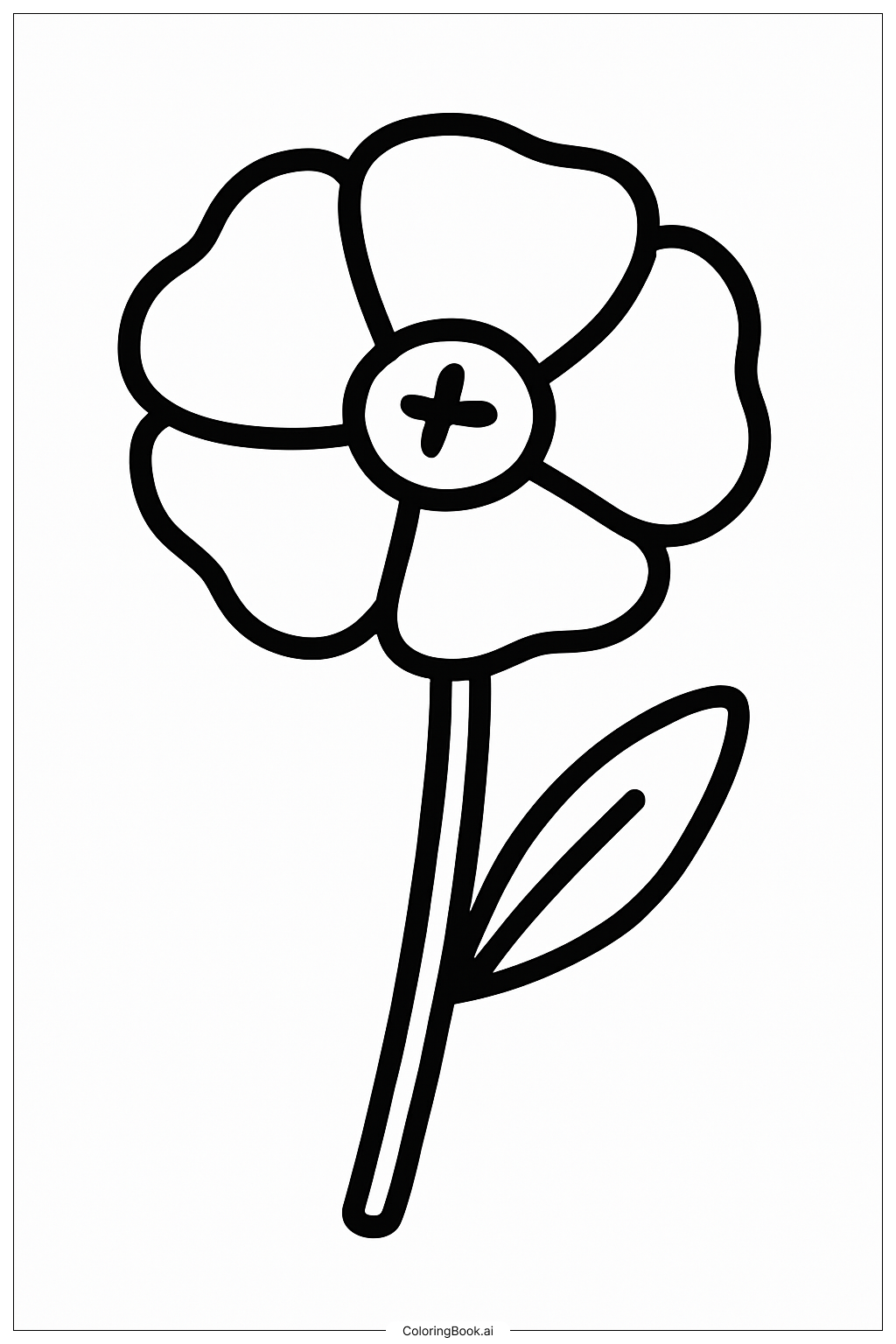
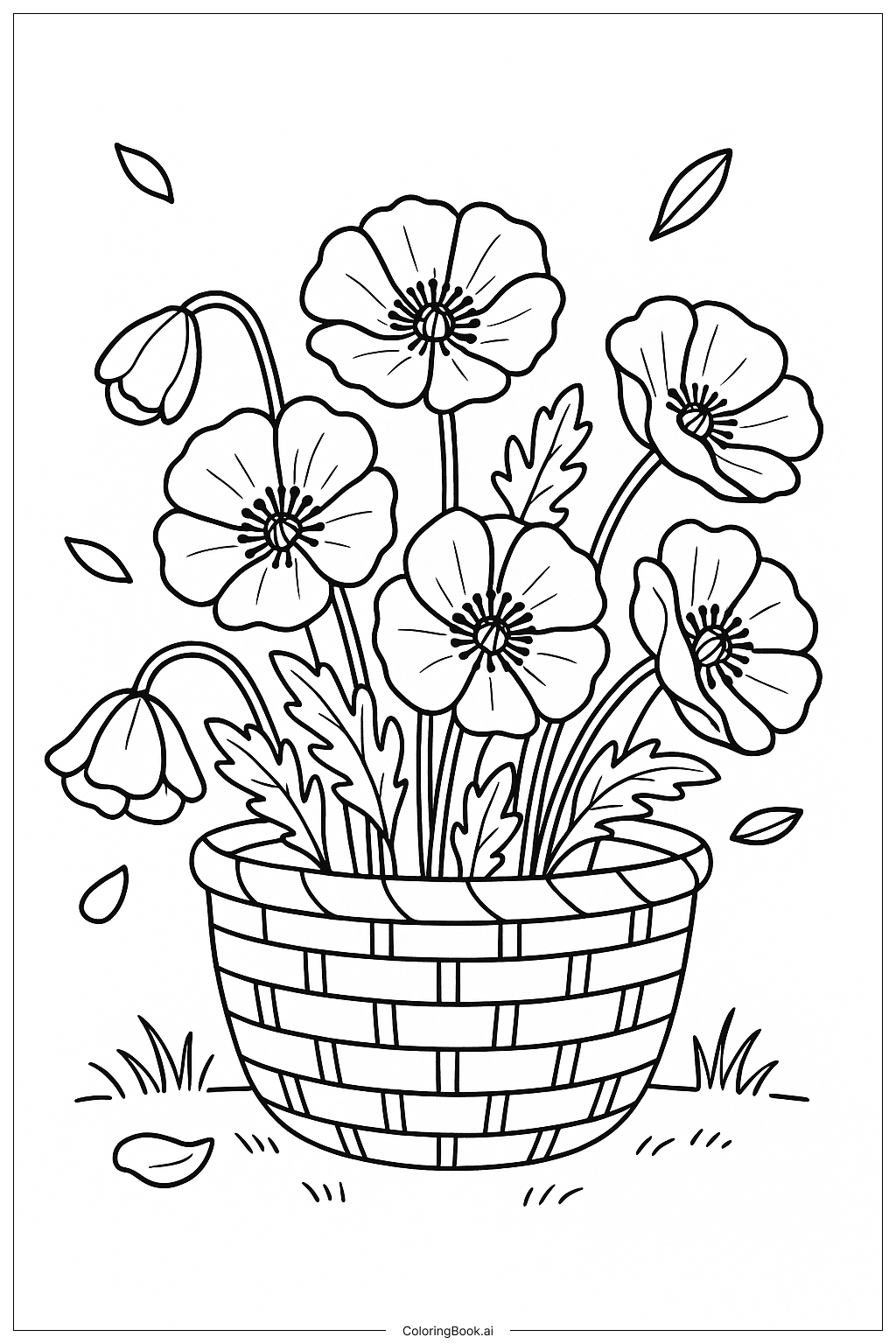
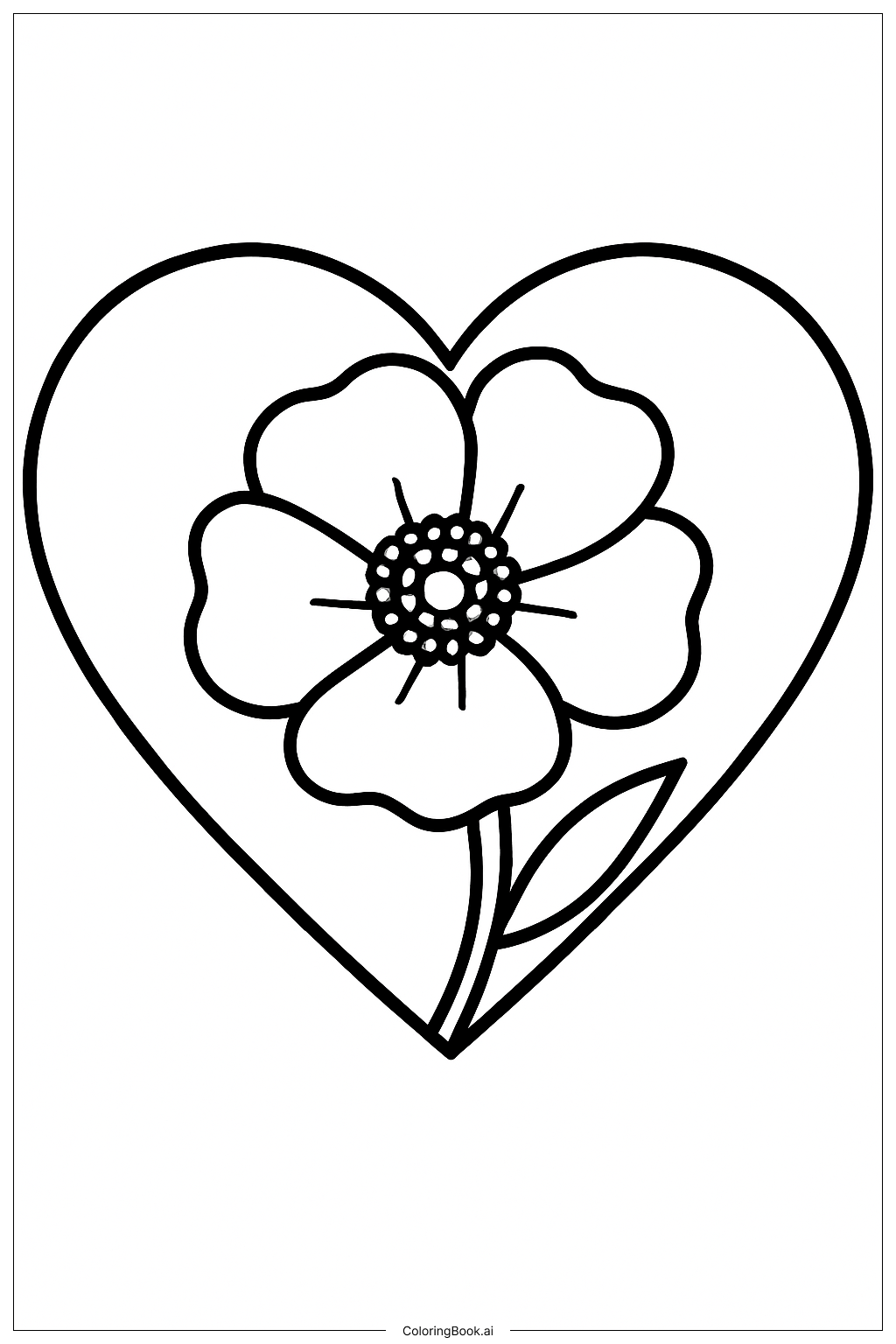
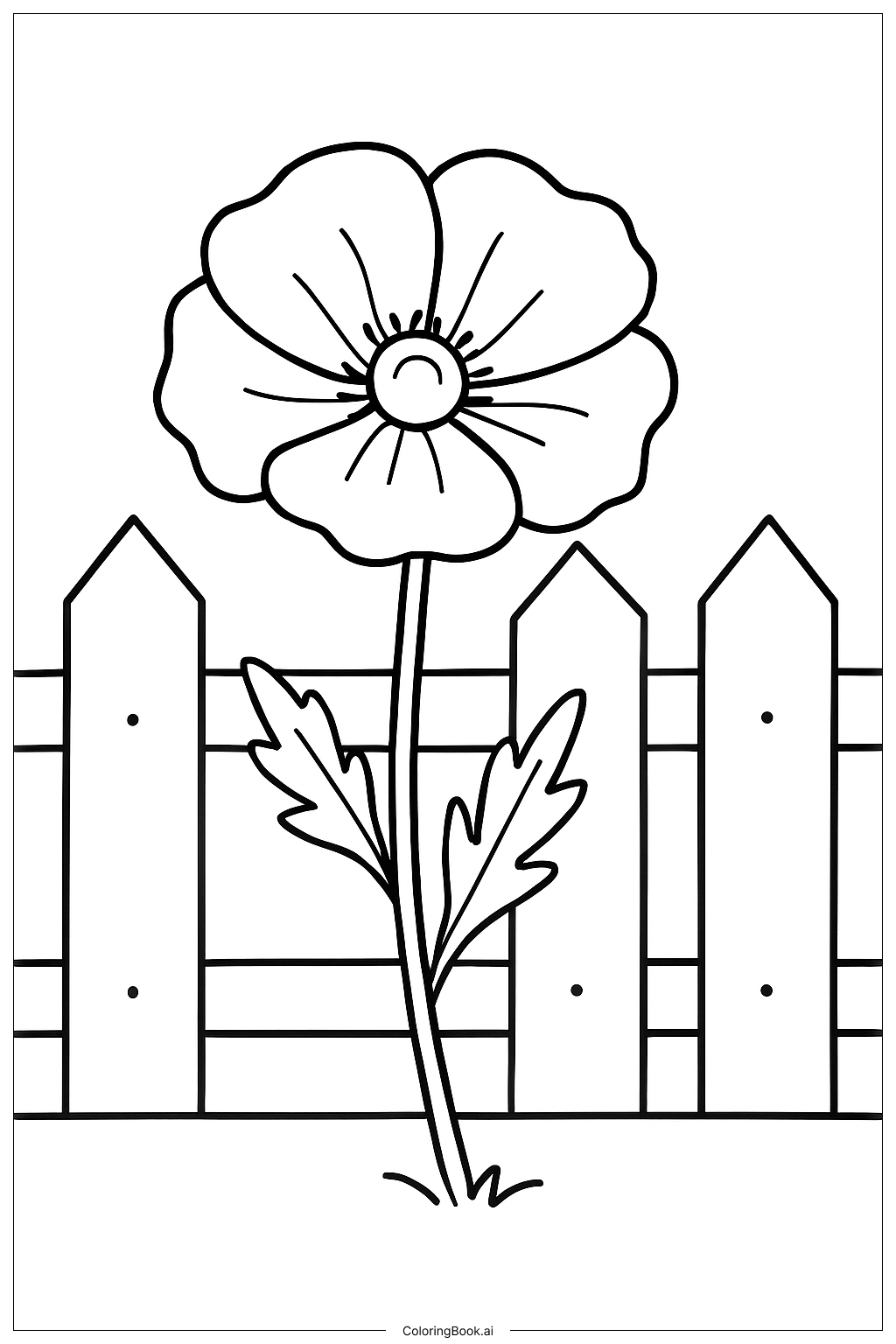
For the poppy flowers, try using bright reds and oranges for the petals to capture their vibrant look. You can add hints of yellow or pink near the edges for a gentle gradient effect. Color the flower centers dark brown or black to create contrast. Use different shades of green for the long stems and leaves to give them a realistic feel. For the glass vase, use light blues, grays, or very pale purples to show its transparency and reflections. Add white or very light strokes to highlight the shine on the glass. Feel free to experiment with soft color blending to create a natural and lively appearance.
Coloring challenges: Which parts are difficult to color and need attention for Poppy Flower In A Glass Vase coloring page?
• Glass Transparency: Coloring the glass vase requires careful use of light and shadows to create a transparent look. It can be tricky to show the reflections without making the vase look too dark or flat. • Petal Texture: The poppy petals have soft, wavy edges that need gentle coloring to reflect their delicate texture. Harsh coloring might make the petals lose their natural softness. • Color Contrast: Balancing the bright, bold colors of the flowers with the softer tones of the vase and leaves is a challenge. Too much saturation can overwhelm the vase, while too little can make the flowers appear dull. • Stem and Leaf Details: The thin, long stems and leaves require careful coloring to avoid going outside their lines. Adding subtle shading helps them look more three-dimensional but takes patience. • Light and Shadow: Creating a convincing sense of light hitting the flowers and vase means paying attention to where highlights and shadows should fall. This adds complexity but greatly improves the final look.
Benefits of coloring books: Advantages of drawing Poppy Flower In A Glass Vase coloring page
Coloring this image helps children and adults improve focus and hand control because of the fine details in the petals and stems. It encourages learning about how light interacts with objects like glass and flowers, fostering observation skills. The image invites creativity by allowing colorists to experiment with bright, vivid colors and soft blending techniques. Coloring each part—from delicate petals to transparent glass—builds patience and attention to detail. Overall, it provides a relaxing and rewarding art experience that enhances both artistic skills and appreciation for natural beauty.